
Changing unhealthy habits can feel overwhelming, but it’s the first step toward building a healthier and more fulfilling life. Whether you struggle with poor eating choices, lack of exercise, or negative thought patterns, these behaviors often hold you back from reaching your true potential.
The good news is that breaking bad habits doesn’t require a complete life overhaul overnight. Small, consistent steps can lead to remarkable personal transformation over time. This article will guide you through practical strategies to identify harmful patterns, understand the psychology behind them, and replace them with positive lifestyle changes that stick.
You’ll discover proven techniques to rewire your mindset, build sustainable routines, and create lasting change. By the end, you’ll have a clear roadmap to overcome obstacles and embrace a healthier version of yourself. Let’s begin this journey together.
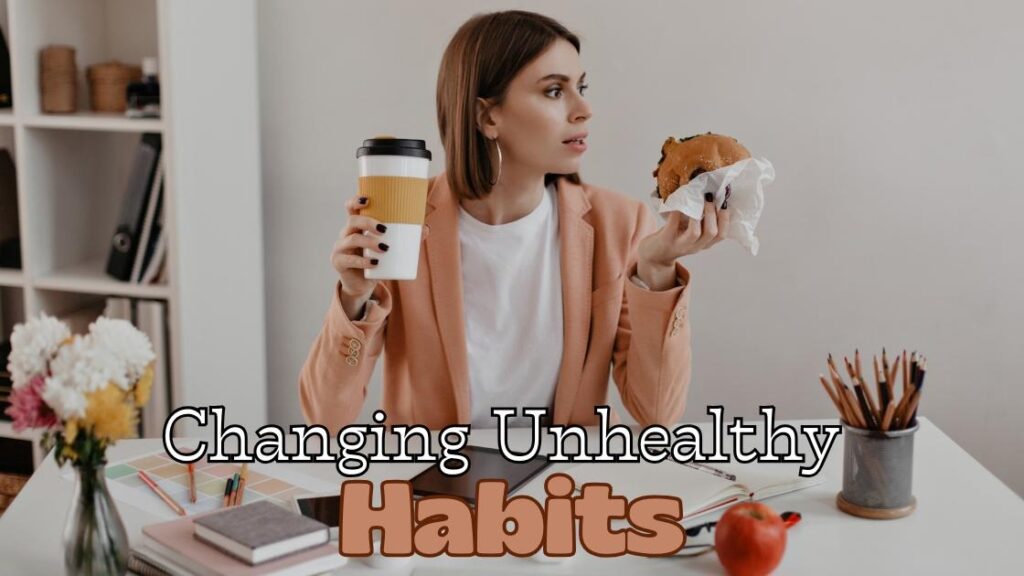
Understanding the Psychology Behind Habit Formation
Before changing unhealthy habits, it’s essential to understand how habits form in the first place. Our brains are wired to create automatic behaviors that save mental energy. This process involves a three-part loop consisting of a cue, a routine, and a reward.
How Bad Habits Develop Over Time
Unhealthy patterns often develop gradually without conscious awareness. Stress, boredom, and emotional triggers play significant roles in habit formation. When you repeatedly respond to certain situations with the same behavior, your brain creates neural pathways that make these actions automatic.
For example, reaching for sugary snacks when stressed becomes a default response over time. Understanding this cycle is crucial for breaking bad habits and replacing them with healthier alternatives.
Why Changing Unhealthy Habits Matters for Your Wellbeing
The importance of changing unhealthy habits extends far beyond physical health. These patterns affect your mental clarity, emotional stability, relationships, and overall quality of life.
The Impact on Physical and Mental Health
Poor habits contribute to chronic conditions like obesity, heart disease, and diabetes. Additionally, they can worsen mental health issues including anxiety and depression. When you commit to behavior change, you invest in both your present happiness and future longevity.
Research shows that people who successfully modify negative patterns report higher energy levels, improved sleep quality, and greater life satisfaction.
Practical Steps for Successful Behavior Change
Changing unhealthy habits requires a strategic approach rather than relying on willpower alone. Here are proven methods that support lasting transformation.
Start With Self Awareness and Identification
The first step in your wellness journey involves recognizing which habits need attention. Keep a journal for one week to track your behaviors, noting what triggers them and how they make you feel afterward.
- Write down every unhealthy behavior you notice throughout the day
- Identify the emotional or environmental triggers behind each action
- Rate how each habit affects your energy and mood
- Determine which patterns cause the most negative impact
This awareness creates the foundation for meaningful self-improvement and helps you prioritize which habits to address first.
Replace Rather Than Simply Remove
One of the biggest mistakes people make is trying to eliminate habits without providing alternatives. Your brain needs a replacement behavior that satisfies the same underlying need.
If you snack when bored, find another activity that provides stimulation. If you scroll social media to relax, try reading or stretching instead. This substitution approach makes building good habits much more sustainable.
Common Challenges and How to Overcome Them
The path to changing unhealthy habits isn’t always smooth. Understanding potential obstacles helps you prepare for them effectively.
Dealing With Setbacks and Relapses
Setbacks are a normal part of personal growth. When you slip back into old patterns, avoid harsh self-criticism. Instead, view these moments as learning opportunities that reveal your triggers.
Many people abandon their efforts after one failure. However, research indicates that most successful habit changers experience multiple setbacks before achieving lasting results. Persistence matters more than perfection.
Managing External Pressures and Influences
Your environment significantly impacts your ability to maintain healthy lifestyle changes. Social situations, work stress, and unsupportive relationships can derail progress.
Consider these strategies for managing external challenges:
- Communicate your goals to supportive friends and family members
- Modify your physical environment to reduce temptation
- Develop specific responses for high-risk situations
- Limit exposure to people who encourage negative behaviors

Real Life Examples of Successful Transformation
Seeing how others have succeeded at changing unhealthy habits provides inspiration and practical insights.
From Sedentary to Active Living
Sarah spent years avoiding exercise until she started with just five minutes of walking daily. By gradually increasing duration and intensity, she transformed into someone who genuinely enjoys physical activity. Her approach demonstrates that overcoming bad habits doesn’t require dramatic overnight changes.
Breaking Free From Emotional Eating
Michael struggled with using food for comfort during stressful periods. Through therapy and mindfulness practices, he learned to recognize emotional hunger versus physical hunger. His personal transformation took eighteen months but resulted in permanent change.
These examples prove that anyone can succeed with patience, strategy, and commitment to their wellness journey.
Conclusion
Changing unhealthy habits is a journey that requires patience, self-awareness, and consistent effort. By understanding the psychology behind habit formation, identifying your triggers, and replacing negative behaviors with positive alternatives, you can achieve lasting personal transformation.
Keep in mind that occasional slip-ups are natural stepping stones, not indicators of defeat. Every small step forward brings you closer to the healthier, happier life you deserve. Start today by choosing one habit to work on and commit to gradual progress.
Your wellness journey begins with a single decision. Take action now and embrace the positive changes waiting for you.