
Yoga breathing for anxiety is one of the most powerful yet simple tools you can use to find calm in a chaotic world. If you’ve ever felt your heart racing or your mind spiraling with worry, you’re not alone millions struggle with daily stress and overwhelming emotions. The good news? Breathing exercises for stress and calming breathing techniques can help you regain control naturally, without medication or complicated routines.
In this article, you’ll discover how specific pranayama techniques work to activate your body’s relaxation response. We’ll explore practical methods you can practice anywhere at home, work, or even during your commute. Whether you’re a complete beginner or looking to deepen your practice, this guide will show you how intentional breathwork can bring lasting peace and mental wellness to your everyday life.
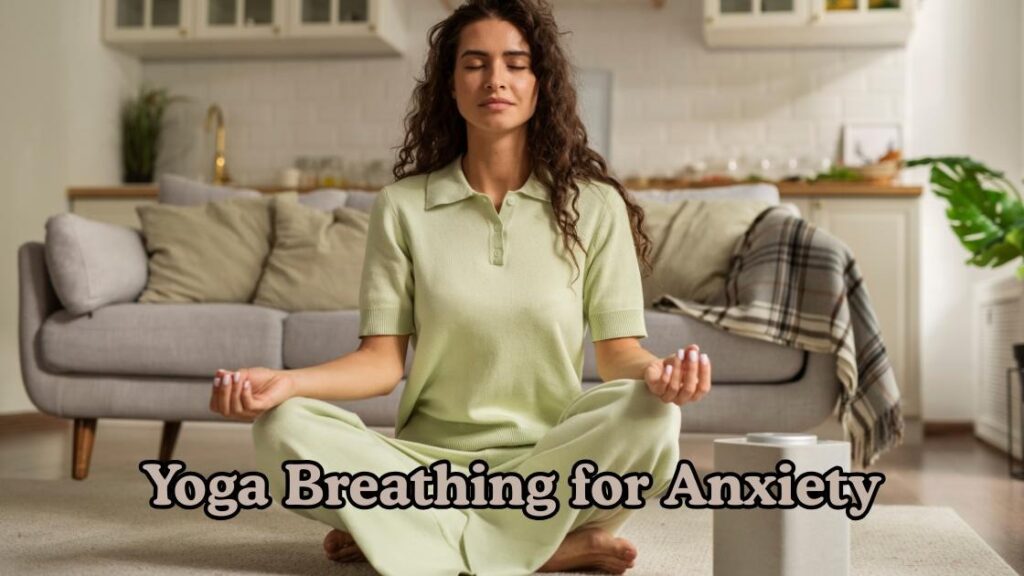
What Is Yoga Breathing and How Does It Work?
Yoga breathing for anxiety refers to specific pranayama techniques that help regulate your nervous system and calm your mind. Unlike regular breathing, these methods involve intentional control of your inhales, exhales, and breath retention.
When you practice deep breathing exercises, your body activates the parasympathetic nervous system. This is commonly known as the body’s natural relaxation mode. It counteracts the fight or flight reaction that anxiety triggers in your body.
The mind-body connection created through breathwork sends signals to your brain that you are safe. Your heart rate slows down. Your muscles relax. Your racing thoughts begin to quiet.
The Ancient Roots of Breathwork
Yoga breathing for anxiety has roots in ancient Indian traditions dating back thousands of years. Yogis discovered that controlling the breath could influence mental states and emotional wellbeing.
Today, modern science confirms what practitioners knew centuries ago. Research shows that breathwork for mental health can reduce cortisol levels and improve overall stress management.
Why Breathing Techniques Matter for Anxiety Relief
The Science Behind Calming Breaths
Breathing is the single automatic body process you can deliberately manage. This makes it a powerful gateway to managing anxiety naturally.
Here’s what happens when you practice yoga breathing for anxiety:
- Your vagus nerve gets stimulated, promoting relaxation
- Oxygen flow to your brain increases, improving clarity
- Blood pressure decreases, reducing physical tension
- Stress hormones like cortisol and adrenaline drop significantly
Understanding Your Nervous System Response
Anxiety management becomes easier when you understand how your body responds to stress. Shallow, rapid breathing keeps you in a stressed state. Diaphragmatic breathing and other techniques reverse this pattern.
By practicing calming breathing techniques regularly, you train your nervous system to return to balance more quickly after stressful events.
Top Benefits of Practicing Breathwork Daily
Yoga breathing for anxiety offers numerous benefits that extend beyond just feeling calmer in the moment.
- Immediate stress relief that you can access anywhere
- Improved sleep quality through relaxation before bedtime
- Better focus and concentration during work or study
- Enhanced emotional regulation in challenging situations
- Lower blood pressure and improved heart health
Physical Health Improvements
Regular practice of relaxation techniques through breathwork strengthens your respiratory system. Your lung capacity increases over time. Many practitioners report fewer headaches and reduced muscle tension.
Mental and Emotional Wellness
Yoga breathing for anxiety helps break the cycle of negative thinking. A relaxed body naturally leads to a peaceful mind. This creates space for clearer thinking and better decision making throughout your day.
Simple Techniques to Get Started
Box Breathing Method
Box breathing is perfect for beginners and highly effective for anxiety relief. Follow these steps:
- Inhale slowly for 4 counts
- Hold your breath for 4 counts
- Exhale completely for 4 counts
- Hold empty for 4 counts
- Repeat this cycle 4 to 6 times
Alternate Nostril Breathing
This traditional pranayama technique balances both sides of your brain and promotes deep calm.
Block your right nostril and breathe in through the left side. Next, cover the left nostril and release your breath through the right. Continue alternating for 5 to 10 minutes.
4 7 8 Breathing Technique
This method is excellent for stress relief breathing before sleep or during high anxiety moments. Breathe in for 4 seconds, pause for 7 seconds, and slowly release for 8 seconds.
Common Challenges and How to Overcome Them
Many beginners face obstacles when starting yoga breathing for anxiety. Below are practical ways to tackle these frequent obstacles.
Feeling lightheaded often happens when you breathe too deeply too fast. Start slowly and never force your breath.
Difficulty concentrating is normal at first. Use guided audio or apps to help maintain focus during practice.
Finding time can feel challenging. Even 5 minutes of deep breathing exercises daily creates meaningful change. Practice during your commute, lunch break, or before bed.
Impatience with results discourages many people. Remember that breathwork for mental health is a skill that improves with consistent practice over weeks and months.
Making Breathwork Part of Your Daily Routine
Consistency matters more than duration. Set reminders on your phone. Link your practice to existing habits like morning coffee or evening wind down time.
Start with just 3 to 5 minutes daily. Gradually increase as the practice becomes natural. Soon, yoga breathing for anxiety will become your go to tool for navigating life’s stressful moments with grace and calm.
Conclusion
Yoga breathing for anxiety offers a simple yet transformative approach to managing daily stress and finding inner peace. By understanding how pranayama techniques activate your body’s natural relaxation response, you can take control of your mental wellness without relying on external solutions.
From box breathing to alternate nostril breathing, these practices are accessible to everyone regardless of experience level. The key is consistency even a few minutes of daily breathwork for stress relief can create lasting positive changes.
Start your journey today. Your calmer, more balanced life is just a few intentional breaths away. With regular practice, yoga breathing for anxiety becomes a lifelong tool for emotional wellbeing and resilience.