Exercise and sleep quality are two essential pillars of a healthy lifestyle that work hand in hand. When one improves, the other often follows. Yet many people struggle to find the right balance between staying active and getting restful nights. The good news? Achieving noticeable progress doesn’t require turning your life upside down.
In this article, we’ll explore simple, science-backed daily habits that can naturally enhance your physical activity levels and help you achieve better sleep. From morning routines to evening wind-down practices, these small adjustments fit seamlessly into any lifestyle. Whether you’re a busy professional or a stay-at-home parent, these tips are designed to be practical and sustainable.
Ready to transform your energy levels and wake up feeling refreshed? Let’s dive into the habits that can make a lasting difference in your overall wellness.

Understanding the Connection Between Movement and Rest
The relationship between exercise and sleep quality is backed by decades of scientific research. When you engage in regular physical activity, your body naturally regulates hormones that promote restful sleep. This connection isn’t just about feeling tired after a workout. It involves complex biological processes that affect your sleep cycle and overall health.
Studies show that people who maintain consistent fitness routines fall asleep faster and experience deeper stages of rest. Your body temperature rises during exercise and then drops afterward, signaling to your brain that it’s time to wind down. This natural rhythm supports healthier sleep patterns throughout the night.
How Physical Activity Influences Your Sleep Cycle
Exercise and sleep quality improve together because movement reduces stress hormones like cortisol. Lower stress levels mean a calmer mind at bedtime. Additionally, regular workouts increase the production of adenosine, a chemical that promotes drowsiness.
Here’s what happens when you stay active:
- Your body releases endorphins that boost mood and reduce anxiety
- Muscle recovery during sleep becomes more efficient
- Your circadian rhythm aligns better with natural light and dark cycles
- Deep sleep stages become longer and more restorative
Simple Morning Habits for Better Energy and Rest
Starting your day right sets the tone for improved exercise and sleep quality. A consistent morning routine helps regulate your internal clock, making it easier to fall asleep at night.
Wake Up at the Same Time Daily
Your body thrives on consistency. Waking up at the same time every day, even on weekends, strengthens your circadian rhythm. This habit alone can dramatically improve your nighttime rest.
Get Sunlight Within the First Hour
Natural light exposure in the morning tells your brain to stop producing melatonin. This boost in alertness helps you feel more energized for your morning workout and sets up better sleep later.
Move Your Body Early
Even a 15 minute walk or light stretching session counts. Physical activity in the morning has been shown to enhance sleep hygiene more effectively than evening workouts for many people.
Evening Practices That Support Restful Nights
What you do in the hours before bed matters just as much as your daytime habits. Creating a calming bedtime routine prepares your mind and body for quality rest.
Avoid Intense Workouts Before Bed
While exercise and sleep quality are connected, timing matters. Vigorous activity within two hours of bedtime can raise your heart rate and body temperature, making it harder to fall asleep. Opt for gentle yoga or stretching instead.
Create a Relaxing Wind Down Ritual
Consider these calming activities:
- Reading a book instead of scrolling your phone
- Taking a warm bath to lower your core temperature
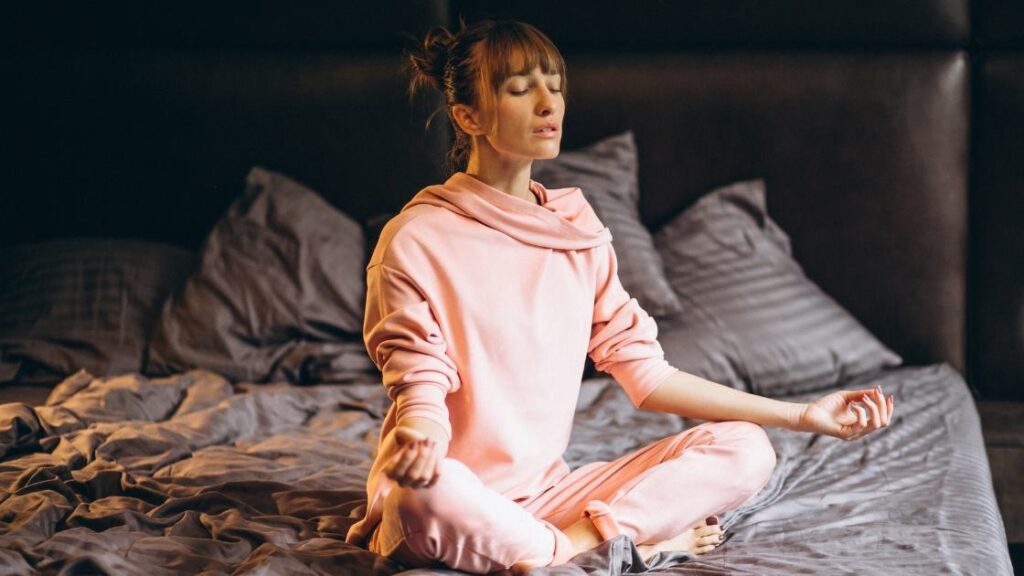
- Practicing meditation or deep breathing exercises
- Dimming lights to signal your brain that sleep is approaching
Limit Screen Time and Stimulants
Blue light from devices disrupts melatonin production. Similarly, caffeine and alcohol can interfere with your sleep patterns. Avoid both at least three to four hours before bed for optimal results.
Overcoming Common Challenges
Many people face obstacles when trying to improve exercise and sleep quality simultaneously. Busy schedules, stress, and inconsistent routines are frequent barriers.
Finding Time for Fitness
You don’t need hour long gym sessions. Quick moments of movement during your day can make a big difference. Consider:
- A 10 minute walk during lunch breaks
- Taking stairs instead of elevators
- Doing bodyweight exercises while watching television
Managing Stress for Better Sleep
Ongoing stress can seriously disrupt your ability to sleep peacefully. Incorporating stress management techniques like journaling or mindfulness can complement your fitness routine and enhance overall wellness.
The Long Term Benefits of These Habits
When you commit to improving exercise and sleep quality naturally, the rewards extend beyond feeling rested. You’ll notice increased energy levels, improved focus, better mood regulation, and stronger immunity.
These daily habits create a positive feedback loop. Better sleep gives you more energy to exercise, and regular movement helps you sleep deeper. Over time, this cycle becomes second nature, supporting a truly healthy lifestyle that feels effortless to maintain.
Conclusion
Improving your exercise and sleep quality doesn’t require complicated strategies or expensive solutions. By adopting simple daily habits like maintaining a consistent wake time, getting morning sunlight, and creating a relaxing bedtime routine, you can transform both your energy and rest naturally.
Keep in mind that tiny adjustments today can create powerful transformations tomorrow. Prioritizing physical activity and restful sleep creates a powerful cycle that supports your overall wellness. Begin with just a couple of practices now and slowly expand your routine over time.
Your body will thank you with more energy, better focus, and nights of truly restorative sleep. The journey to a healthy lifestyle begins with these simple steps.