
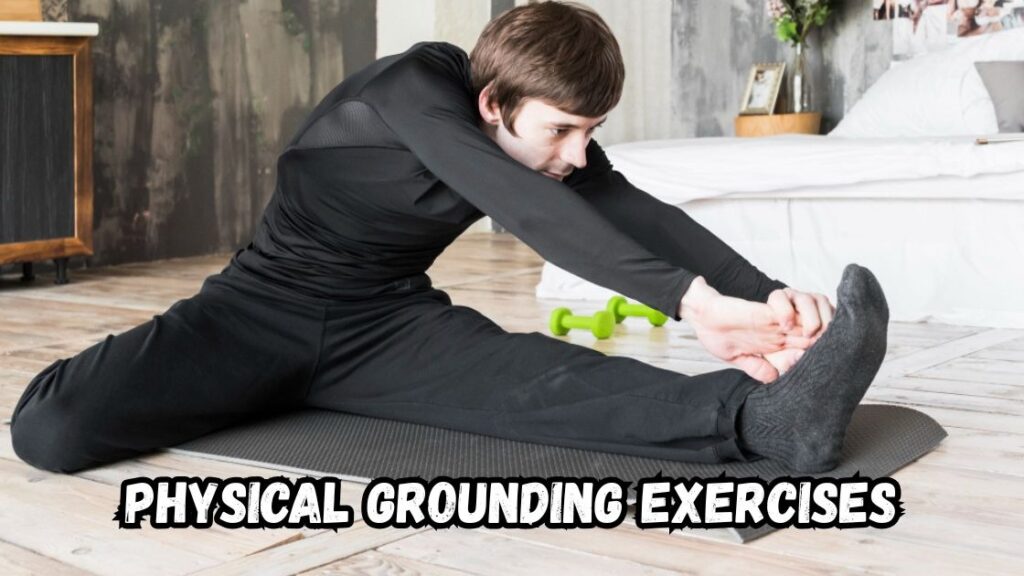
Physical grounding exercises offer a powerful way to reconnect your mind and body when anxiety or overwhelming emotions take over. These simple yet effective techniques help you anchor yourself in the present moment by engaging your senses and physical awareness.
In this comprehensive guide, you’ll discover practical methods to restore emotional balance and find relief from stress and panic. Whether you’re dealing with daily tension or intense emotional episodes, grounding practices provide immediate comfort. We’ll explore various sensory techniques, breathing methods, and body awareness strategies that anyone can use anywhere. By the end, you’ll have a complete toolkit for managing difficult moments and achieving lasting mental clarity throughout your day.
What Are Physical Grounding Exercises?
Physical grounding exercises are therapeutic techniques designed to help individuals reconnect with their bodies and the present moment. These practices work by redirecting attention away from distressing thoughts and focusing on tangible sensations instead.
When you feel disconnected or overwhelmed, your nervous system enters a heightened state. Grounding methods activate your parasympathetic nervous system, which promotes calmness and reduces the fight or flight response. This makes them incredibly valuable for anxiety relief and emotional regulation.
The Science Behind Grounding
Research shows that physical grounding exercises stimulate specific neural pathways that interrupt anxiety loops. By engaging your senses, you create new focal points that break the cycle of racing thoughts. Studies published in mental health journals confirm that regular practice significantly reduces cortisol levels and improves overall stress management.
History and Background of Grounding Techniques
Grounding practices have roots in ancient mindfulness traditions dating back thousands of years. Eastern philosophies, including Buddhism and yoga, emphasized the connection between body and mind long before modern psychology recognized its importance.
In the 20th century, therapists began incorporating these methods into treatment protocols. Today, physical grounding exercises form a cornerstone of cognitive behavioral therapy and trauma informed care. Mental health professionals worldwide recommend them for managing various conditions.
Why Grounding Matters for Mental Health
Understanding the importance of body awareness helps explain why grounding works so effectively. Here are key reasons these techniques matter:
- They provide immediate panic attack relief without medication
- They can be practiced anywhere without special equipment
- They help build long term emotional resilience
- They improve overall mental wellness with consistent use
Connection to Present Moment Awareness
Physical grounding exercises train your brain to stay anchored in the now. This present moment awareness prevents your mind from dwelling on past regrets or future worries. Over time, this skill becomes automatic, helping you navigate stressful situations more effectively.
Benefits of Regular Grounding Practice
Incorporating sensory techniques into your daily routine offers numerous advantages for both mental and physical health.
Immediate Benefits
Calming methods provide instant relief during overwhelming moments. Within minutes, you may notice your heart rate slowing and your breathing becoming more regulated. This rapid response makes grounding invaluable during acute distress.
Long Term Advantages
- Enhanced emotional stability throughout daily life
- Better sleep quality and reduced insomnia
- Improved focus and concentration abilities
- Stronger mind body connection
- Greater self regulation skills
Common Challenges and How to Overcome Them
While physical grounding exercises are generally straightforward, beginners often face certain obstacles.
Difficulty Concentrating
Many people struggle to focus during their first attempts. Start with shorter sessions lasting just two to three minutes. Gradually increase duration as your concentration improves. Remember that wandering thoughts are normal and do not indicate failure.
Finding Time for Practice
Busy schedules make consistent practice challenging. The solution is integrating relaxation techniques into existing routines. Practice while waiting in line, during work breaks, or before sleeping. Even brief moments of grounding accumulate significant benefits over time.
Feeling Self Conscious
Some individuals feel awkward practicing in public spaces. Choose discreet techniques like focusing on your feet touching the ground or noticing textures with your fingertips. These subtle methods deliver stress relief without drawing attention.
Practical Examples to Try Today
Here are effective physical grounding exercises suitable for beginners:
- The 5 4 3 2 1 technique involves identifying five things you see, four you hear, three you touch, two you smell, and one you taste
- Progressive muscle relaxation requires tensing and releasing each muscle group systematically
- Cold water grounding uses temperature sensations to anchor awareness
- Barefoot walking connects you directly with the earth beneath you
Tips for Success
Begin by perfecting a single technique before exploring additional methods. Consistency matters more than duration. Practice during calm moments so the skills become automatic during stressful times. Keep expectations realistic and celebrate small improvements in your mental health journey.
Conclusion
Physical grounding exercises provide a simple yet powerful solution for managing anxiety, stress, and overwhelming emotions. These techniques work by reconnecting your mind and body through sensory awareness and present moment focus. Whether you choose the 5 4 3 2 1 method, progressive muscle relaxation, or barefoot walking, consistent practice builds lasting emotional resilience.
Remember that mastering physical grounding exercises takes patience and regular commitment. Begin with simple steps, maintain regular practice, and slowly build your collection of techniques. With time, these calming strategies become second nature, helping you navigate life’s challenges with greater confidence and mental clarity. Your journey toward better emotional wellbeing begins with one grounded breath today.