The rise of restaurant tech trends is reshaping how businesses serve customers and manage operations in 2025. From quick-service chains to fine dining establishments, technology has become the backbone of modern hospitality. Diners now expect seamless experiences powered by digital ordering systems, contactless payments, and AI-driven personalization. Behind the scenes, owners are investing in kitchen automation and smart inventory management to boost efficiency and reduce costs.
This article explores the most impactful innovations driving the industry forward. Whether you own a small café or manage a restaurant chain, understanding these shifts is essential for staying competitive. Discover how embracing the latest advancements can enhance customer experience, streamline workflows, and increase profitability in an increasingly digital world.
What Are Restaurant Tech Trends and Why Do They Matter?
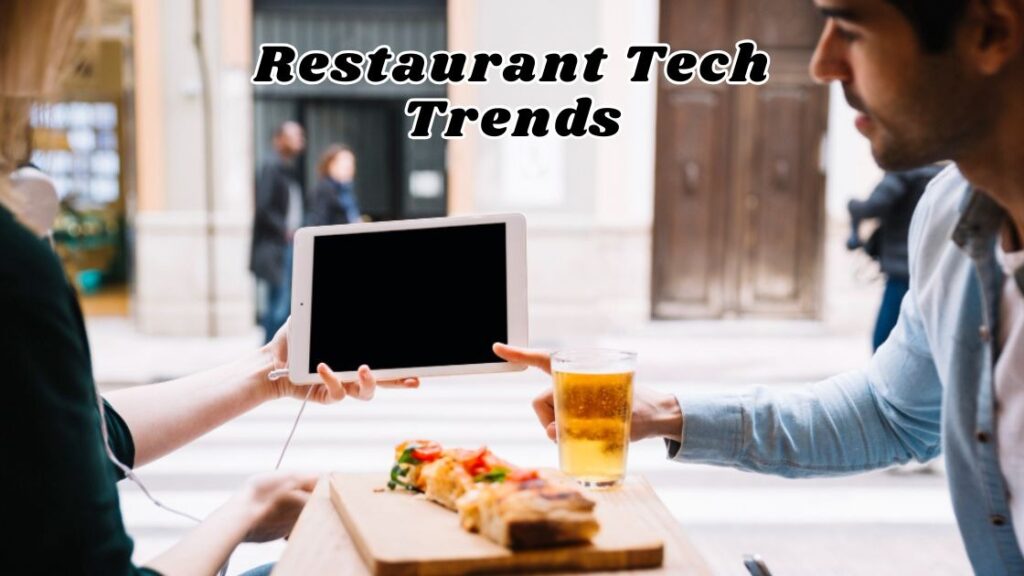
Restaurant tech trends refer to the emerging technologies transforming how food businesses operate and engage with customers. These innovations range from digital ordering platforms to artificial intelligence solutions designed to streamline daily tasks.
The restaurant industry has always evolved with technology. Cash registers replaced manual calculations decades ago. Today, cloud-based POS systems and automation tools are doing the same for modern establishments.
Understanding these shifts helps owners make smarter investments. Adopting the right solutions can mean the difference between thriving and struggling in a competitive market.
The Evolution of Technology in Restaurants
From Cash Registers to Smart Systems
Technology in dining started with simple cash registers in the early 1900s. By the 1980s, electronic point of sale systems emerged. The 2010s brought mobile payment solutions and online ordering platforms into mainstream use.
The pandemic accelerated adoption dramatically. Restaurants that once resisted digital tools quickly embraced contactless dining options and delivery management software to survive.
Current State of the Industry
Today, restaurant tech trends focus on integration and intelligence. Systems now communicate with each other seamlessly. A single order can trigger inventory updates, kitchen displays, and customer notifications automatically.
Key Technologies Shaping the Industry
Artificial Intelligence and Machine Learning
AI-powered tools are revolutionizing restaurant operations in several ways:
- Predicting customer demand based on historical data and weather patterns
- Personalizing menu recommendations for returning guests
- Optimizing staff schedules to match busy periods
- Detecting fraud and unusual transaction patterns
These tools improve with every use, delivering increasingly precise results as they gather more data. Many establishments report significant cost savings after implementing machine learning solutions.
Self Service Kiosks and Digital Ordering
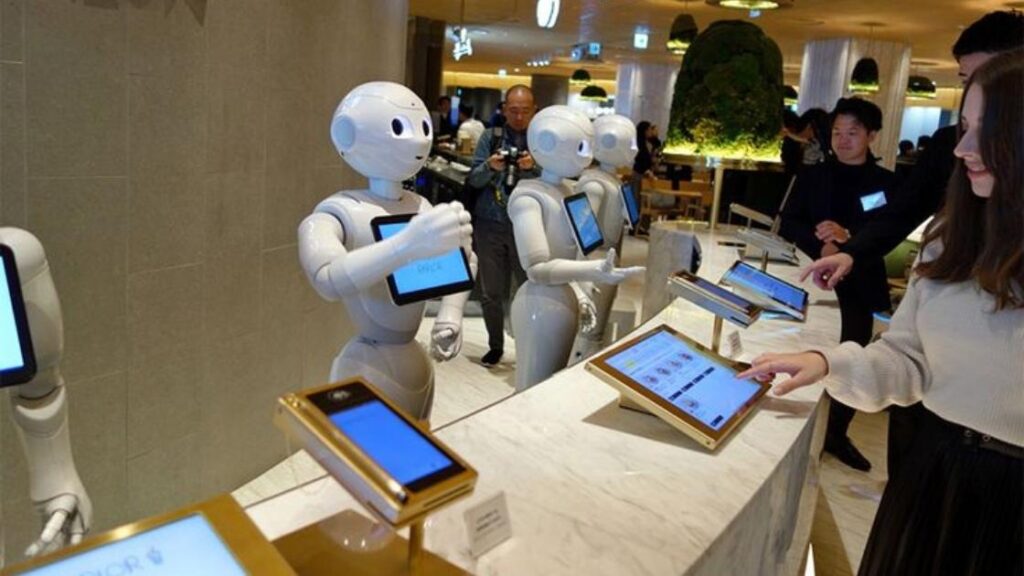
Self-service kiosks have become standard in quick-service restaurants. They reduce wait times and often increase average order values through strategic upselling prompts.
QR code menus gained popularity during health concerns and remain convenient for diners. Guests appreciate browsing options on their own devices without waiting for staff.
Kitchen Automation and Display Systems
Back of house technology has advanced significantly. Kitchen display systems replace paper tickets and reduce errors. Some establishments now use robotic cooking assistants for repetitive tasks like flipping burgers or frying items.
These tools help address ongoing labor shortages while maintaining consistency in food preparation.
Benefits of Embracing Modern Solutions
Adopting restaurant tech trends offers numerous advantages for businesses of all sizes.
Operational Efficiency
Automated inventory tracking eliminates manual counting. Staff scheduling software reduces overtime costs. Integrated payment processing speeds up table turnover during peak hours.
Enhanced Customer Experience
Diners enjoy faster service and fewer order mistakes. Loyalty program apps reward returning customers automatically. Tableside payment devices let guests leave when ready without waiting for checks.
Data Driven Decision Making
Modern systems collect valuable information about customer preferences and purchasing patterns. Analytics dashboards help owners identify bestselling items, peak hours, and opportunities for improvement.
Challenges and Considerations
Implementation Costs
Initial investments can strain budgets, especially for smaller establishments. However, many vendors now offer subscription models that spread costs over time.
Staff Training Requirements
New systems require proper training. Employees may resist changes initially. Successful implementation depends on clear communication and ongoing support.
Cybersecurity Concerns
Digital payment systems and customer data storage create potential vulnerabilities. Restaurants must invest in proper security measures and stay compliant with regulations.
Real World Examples of Success
- Major fast food chains report 20 to 30 percent higher average tickets through kiosk orders
- Independent restaurants using reservation management platforms see reduced no-show rates
- Cloud kitchens built entirely around delivery app integration operate with minimal front of house costs
Looking Ahead
Restaurant tech trends will continue evolving rapidly. Voice ordering, advanced robotics, and augmented reality menus may become commonplace within years.
Staying informed and adaptable remains essential. Restaurants that embrace innovation thoughtfully position themselves for long-term success in an increasingly digital marketplace.
The key is choosing solutions that align with your specific needs rather than chasing every new development. Start with technologies addressing your biggest pain points and expand from there.
Conclusion
The restaurant tech trends discussed throughout this article are reshaping the entire hospitality landscape. From AI-powered analytics to self-service kiosks and kitchen automation, these innovations offer real solutions for modern challenges. Businesses that embrace digital ordering systems and smart inventory management gain competitive advantages through improved efficiency and enhanced customer satisfaction. While implementation requires investment and planning, the long-term benefits far outweigh initial hurdles.
As technology continues advancing, staying adaptable remains crucial. Restaurant owners who thoughtfully integrate these solutions position themselves for sustained growth and success in an increasingly connected dining environment.