
The future of food tech is revolutionizing everything from farm to fork, promising a world where innovation meets nutrition. As global challenges like climate change, population growth, and resource scarcity intensify, technology is stepping up with remarkable solutions. From lab-grown meat to AI-powered farming, the transformation happening across our food systems is unprecedented.
This article explores the groundbreaking innovations shaping tomorrow’s meals including vertical farming, sustainable agriculture, personalized nutrition, and smart food packaging. You’ll discover how these advancements are addressing hunger, reducing environmental impact, and creating healthier options for consumers worldwide. Whether you’re an industry professional, curious foodie, or forward-thinking entrepreneur, understanding these emerging trends is essential for navigating what lies ahead on your plate.
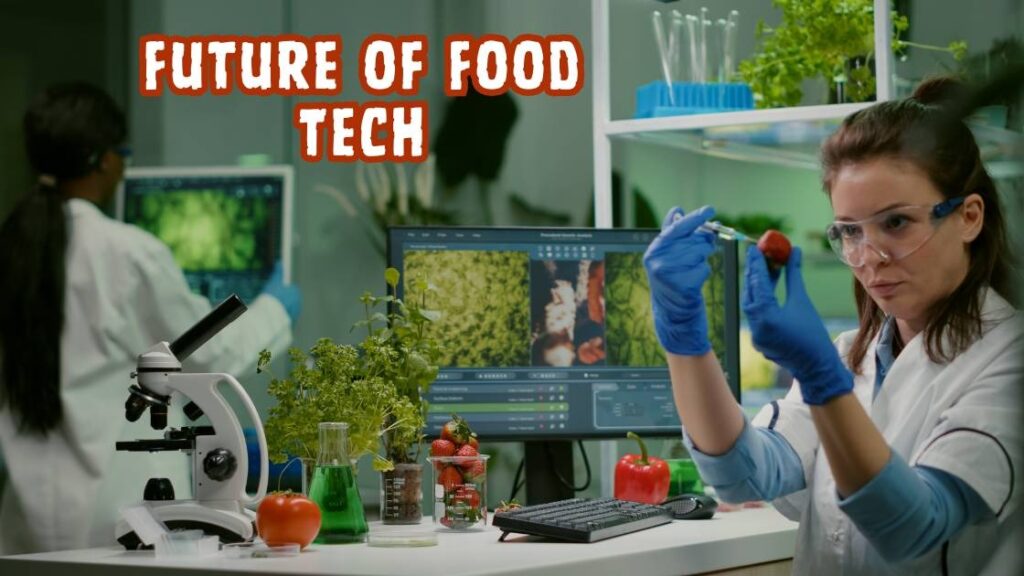
What Is the Future of Food Tech?
The future of food tech refers to the integration of advanced technologies into food production, processing, distribution, and consumption. This rapidly evolving field combines artificial intelligence, biotechnology, robotics, and data analytics to create smarter, more sustainable food systems.
At its core, this movement aims to solve pressing global issues while improving how we grow, prepare, and enjoy our meals. The scope extends far beyond simple automation, encompassing everything from molecular gastronomy to blockchain-enabled supply chains.
A Brief History of Food Innovation
Food technology has evolved dramatically over centuries. From the invention of canning in the 1800s to refrigeration and frozen foods in the 20th century, each breakthrough transformed how humanity eats.
The digital revolution of the 2000s accelerated this progress exponentially. Today, food science advancements are happening faster than ever, with startups and corporations racing to develop the next game-changing solution.
Why the Future of Food Tech Matters
Understanding the future of food tech is crucial for several compelling reasons.
Addressing Global Food Security
The world population is expected to reach 10 billion by 2050. Traditional farming methods simply cannot keep pace with this demand. Innovative food solutions offer hope for feeding everyone sustainably.
Environmental Sustainability
Conventional agriculture contributes significantly to greenhouse gas emissions, deforestation, and water depletion. Sustainable food production technologies are designed to minimize these environmental footprints while maintaining output quality.
Health and Nutrition Enhancement
Modern consumers demand healthier options. Personalized nutrition platforms and functional foods are emerging to meet these expectations, offering customized dietary recommendations based on individual genetic profiles.
Key Innovations Shaping Tomorrow’s Food Systems
The future of food tech encompasses numerous groundbreaking developments.
1. Cellular Agriculture and Lab Grown Proteins
Cultivated meat emerges from nurturing animal cells within carefully monitored laboratory settings. This eliminates the need for traditional livestock farming.
Benefits include:
- Reduced land and water usage
- Lower carbon emissions
- Elimination of animal suffering
- Consistent product quality
Companies like Upside Foods and Eat Just are already bringing these products to market, signaling mainstream acceptance.
2. Vertical Farming and Controlled Environment Agriculture
Indoor farming systems use stacked layers to grow crops year-round regardless of weather conditions. These facilities utilize LED lighting, hydroponics, and precision agriculture techniques to maximize yields.
Key advantages include:
- 95% less water consumption
- No pesticide requirements
- Local production reducing transportation costs
- Consistent crop quality
3. AI and Machine Learning Applications
Artificial intelligence in agriculture is transforming how farmers make decisions. Smart sensors monitor soil health, predict weather patterns, and optimize irrigation schedules automatically.
The future of food tech heavily relies on these intelligent systems to increase efficiency across the entire food supply chain.
Challenges Facing Food Technology Adoption
Despite its promise, the future of food tech faces significant hurdles.
High Development Costs
Creating novel food products requires substantial investment in research, equipment, and regulatory compliance. Many startups struggle to achieve profitability.
Consumer Acceptance
Some people remain skeptical about alternative proteins and genetically modified ingredients. Building trust requires transparent communication and education.
Regulatory Frameworks
Government agencies worldwide are still developing guidelines for emerging food technologies. This uncertainty can slow product launches and market expansion.
Real World Examples of Food Tech Success
Several companies demonstrate how the future of food tech is already becoming reality.
- Impossible Foods created plant-based burgers that closely mimic beef taste and texture using heme protein technology.
- Plenty operates massive vertical farms producing leafy greens with 350 times more productivity per acre than traditional farms.
- NotCo uses AI algorithms to develop plant-based alternatives that replicate animal products perfectly.
The Road Ahead
The future of food tech promises continued innovation and disruption. As technologies mature and costs decrease, adoption will accelerate globally.
Smart kitchen appliances, 3D food printing, and blockchain traceability represent just a few areas poised for significant growth. Collaboration between technologists, farmers, policymakers, and consumers will determine how quickly these solutions reach mainstream acceptance.
Conclusion
The future of food tech stands at a transformative crossroads, offering solutions to some of humanity’s most pressing challenges. From cellular agriculture and vertical farming to AI-driven food systems, these innovations are reshaping how we produce and consume meals sustainably.
While obstacles like high costs, consumer acceptance, and regulatory hurdles remain, the momentum is undeniable. Sustainable food production methods and alternative proteins will continue gaining traction as technology advances and becomes more accessible.
Embracing these changes today ensures a healthier, more secure tomorrow for generations to come. The revolution on your plate has only just begun.