
Stages of healing emotional trauma aren’t linear, and that’s perfectly okay. Whether you’re recovering from childhood wounds, a painful relationship, or a life-altering event, understanding how healing actually works can bring tremendous comfort during difficult moments.
The truth is, emotional recovery doesn’t follow a neat timeline. Some days feel like breakthroughs, while others might pull you back into old pain. This is completely normal and part of the trauma recovery process.
In this comprehensive guide, we’ll explore each phase of psychological healing, from the initial acknowledgment of your pain through integration and growth. You’ll discover practical strategies for overcoming emotional wounds, learn when to seek professional support, and understand why setbacks don’t mean failure. By the end, you’ll have a clearer roadmap for your personal healing journey.
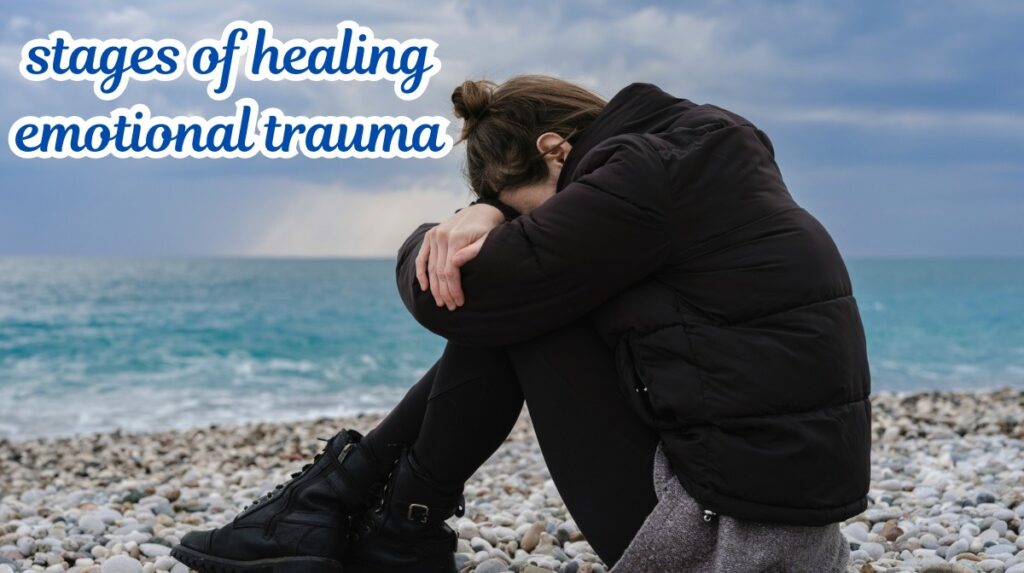
What Is Emotional Trauma and Why Does It Require Healing?
Emotional trauma occurs when you experience an event or series of events that overwhelm your ability to cope. This can stem from abuse, neglect, accidents, loss, or any deeply distressing experience. Unlike physical wounds that visibly heal, psychological injuries often remain hidden beneath the surface.
Your brain and body store traumatic memories differently than regular experiences. This creates lasting effects on your mental health, relationships, and daily functioning. Understanding that trauma changes you neurologically helps remove shame and self-blame from the equation.
The stages of healing emotional trauma represent your mind’s natural attempt to process and integrate these difficult experiences. Without intentional healing work, unresolved trauma can manifest as anxiety, depression, relationship difficulties, and physical health problems.
Related Article: Understanding the Key Stages of Healing Emotional Trauma
The Impact of Unprocessed Trauma
When trauma remains unaddressed, it affects multiple areas of life.
- Difficulty trusting others or forming secure attachments
- Chronic stress responses and hypervigilance
- Negative self-perception and low self-worth
- Avoidance behaviors and emotional numbing
- Physical symptoms including headaches, fatigue, and digestive issues
The Five Core Stages of Healing Emotional Trauma
Acknowledgment and Safety
Stages of healing emotional trauma The first stage involves recognizing that trauma has affected you and creating a safe environment for healing. Many people spend years minimizing their experiences or believing they should simply move on.
During this phase, you might work on establishing emotional stability and identifying triggers. Building a support network of trusted individuals becomes essential. You cannot process difficult memories while feeling unsafe or overwhelmed.
Key Elements of This Stage
- Accepting that your experiences were genuinely harmful
- Developing grounding techniques for overwhelming moments
- Creating physical and emotional safety in your daily life
- Beginning to identify trauma responses and patterns
Processing and Understanding
Stages of healing emotional trauma Once safety is established, deeper trauma processing can begin. This stage involves examining your experiences with curiosity rather than judgment. You start connecting past events to current behaviors and beliefs.
Professional therapy often becomes valuable during this phase. Approaches like EMDR, cognitive behavioral therapy, and somatic experiencing help your brain reprocess traumatic memories. This is frequently the most challenging stage because it requires facing painful emotions directly.
Grieving What Was Lost
Trauma always involves loss, whether it’s lost innocence, lost relationships, or lost years. The grieving process allows you to mourn these losses fully. Many people skip this stage, but true healing requires acknowledging what trauma took from you.
You might grieve the childhood you deserved, the person you might have become, or the experiences you missed. This sadness is healthy and necessary for moving forward.
Reconnection and Integration
During this stage, the stages of healing emotional trauma begin feeling less overwhelming. You start developing a new relationship with yourself and others. The traumatic experiences become integrated into your life story without dominating it.
Self-compassion deepens significantly during reconnection. You begin seeing yourself as someone who survived rather than someone who is broken. New patterns replace old survival mechanisms.
Signs of Progress in This Stage
- Increased capacity for joy and connection
- Triggers becoming less intense and more manageable
- Improved relationships and communication skills
- Greater emotional regulation abilities
- Developing healthy boundaries naturally
Post-Traumatic Growth
Stages of healing emotional trauma The final stage involves finding meaning and experiencing genuine personal transformation. Many trauma survivors report becoming stronger, more empathetic, and more resilient than before their experiences.

This doesn’t mean trauma was good or necessary. Rather, it acknowledges your remarkable capacity for growth despite adversity. You may discover new purposes, deepen spirituality, or develop passion for helping others facing similar challenges.
Common Challenges During Recovery
Healing rarely progresses smoothly. Understanding potential obstacles helps you navigate them with greater ease.
- Setbacks that feel like starting over completely
- Impatience with the pace of emotional recovery
- Resistance from people uncomfortable with your changes
- Physical exhaustion from processing work
- Fear of who you might become without trauma defining you
Remember that the stages of healing emotional trauma often overlap and repeat. Moving backward temporarily doesn’t erase your progress. Every step forward, no matter how small, contributes to lasting change.
Conclusion
The stages of healing emotional trauma remind us that recovery is a process, not a destination. Each phase, from acknowledgment through post-traumatic growth, serves a vital purpose in restoring your wellbeing and sense of self.
Your path won’t look like anyone else’s, and that’s completely valid. Some stages may take longer while others pass quickly. What matters most is your commitment to emotional recovery and willingness to seek support when needed.
Remember that healing is possible regardless of what you’ve experienced. With patience, self-compassion, and appropriate resources, you can move beyond survival into a life filled with genuine connection and meaning.


Pingback: Understanding the Key Stages of Healing Emotional Trauma - Emotional Tea