
Mindfulness stress relief techniques offer a powerful way to hit pause and reconnect with the present moment. When anxiety builds up from work deadlines, family responsibilities, or endless notifications, your nervous system needs a reset.
This article explores practical, easy-to-follow approaches that anyone can use no experience required. You’ll discover breathing exercises, meditation techniques, and body awareness practices designed to quiet mental chatter and release physical tension. We’ll also cover how relaxation methods and grounding exercises can transform overwhelming moments into opportunities for emotional regulation.
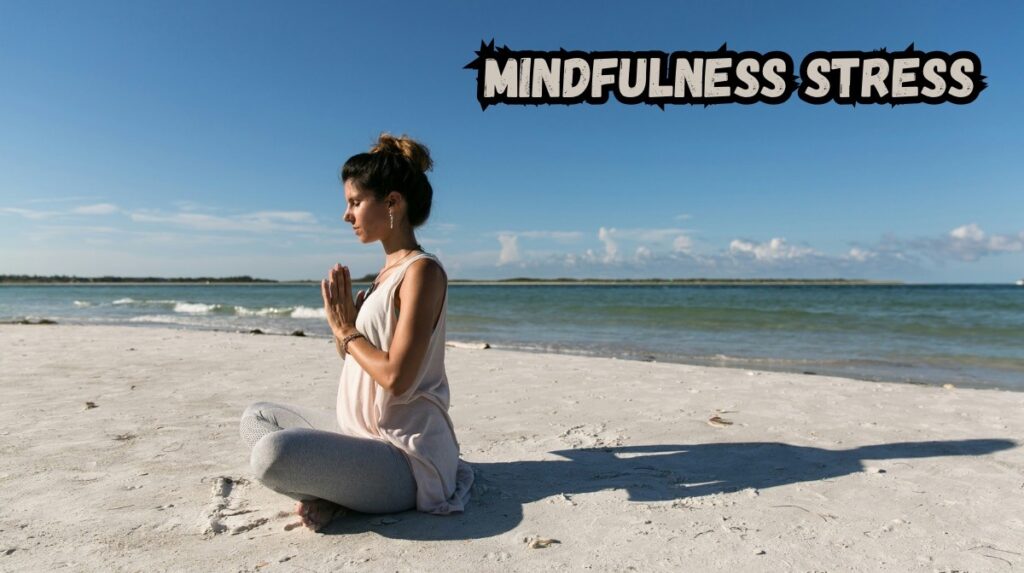
What Is Mindfulness and How Does It Reduce Stress?
Mindfulness involves focusing completely on the current moment while accepting it without criticism. Instead of dwelling on past regrets or worrying about future uncertainties, you focus on what’s happening right now. This simple shift in awareness creates space between you and your racing thoughts, allowing your nervous system to settle into a calmer state.
When you experience mindfulness stress reduction, your body responds in measurable ways. Research shows that regular practice lowers cortisol levels, reduces blood pressure, and decreases muscle tension. Your brain literally rewires itself, strengthening areas responsible for emotional regulation while quieting the regions that trigger anxiety responses.
Related Article: The Science Behind Mindfulness Stress Management: What Research Reveals
The Science Behind Stress and Present Moment Awareness
Your body’s stress response evolved to protect you from immediate physical danger. However, modern life constantly activates this system through emails, deadlines, and social pressures. When stress hormones flood your body repeatedly, chronic health issues often follow.
Mindfulness stress management works by activating your parasympathetic nervous system, sometimes called the rest and digest response. This counterbalances the fight or flight reaction that keeps you on edge. Through consistent practice, you train your brain to recognize stress triggers earlier and respond with greater composure rather than reactivity.
Why Traditional Relaxation Methods Sometimes Fall Short
Many people try deep breathing or taking breaks but still feel overwhelmed. The difference with mindfulness lies in the quality of attention you bring to each moment. Simply sitting quietly while your mind races through tomorrow’s problems doesn’t provide true relief.
Mindfulness stress techniques teach you to observe thoughts as passing events rather than facts requiring immediate action. This mental clarity transforms your relationship with difficult emotions, making them feel less threatening and more manageable over time.
Core Benefits of Practicing Mindfulness Stress Relief
The advantages of incorporating awareness practices into your daily routine extend far beyond temporary relaxation. These benefits build upon each other, creating lasting changes in how you experience and respond to life’s challenges.
Physical Health Improvements
Your body holds stress in ways you might not immediately recognize. Tight shoulders, shallow breathing, and digestive issues often stem from chronic tension. Mindfulness stress reduction addresses these symptoms at their source by helping you release physical holding patterns.
Regular practitioners report improved sleep quality, fewer headaches, and better immune function. When your nervous system spends less time in high alert mode, your body can direct energy toward healing and restoration instead of constantly preparing for perceived threats.
Mental and Emotional Advantages
Beyond physical wellness, mindfulness stress practice strengthens your psychological resilience. You develop greater capacity to handle difficult situations without becoming overwhelmed or reactive.
- Enhanced focus and concentration that carries into work and personal tasks
- Reduced symptoms of anxiety and depression through changed thought patterns
- Improved self awareness that helps you recognize early warning signs of burnout
- Greater emotional balance during challenging conversations or situations
- Increased ability to experience positive moments fully without distraction
Relationship and Social Benefits
When you’re less stressed, you show up differently for the people around you. Mindfulness stress management helps you listen more attentively, respond rather than react, and maintain patience during disagreements. Your improved emotional intelligence creates ripple effects throughout your personal and professional relationships.
Simple Mindfulness Techniques for Beginners
Starting a mindfulness practice doesn’t require special equipment, extensive training, or large time commitments. These foundational techniques provide accessible entry points for anyone seeking stress relief and greater peace of mind.
Breath Awareness Practice
Your breath serves as an anchor to the present moment because it’s always happening right now. This breathing exerciseforms the foundation of most mindfulness stress reduction programs.
Find a comfortable seated position and close your eyes if that feels natural. Simply notice your breath flowing in and out without trying to change it. When thoughts arise, gently redirect your attention back to the sensation of breathing. Start with just three to five minutes and gradually extend your practice as comfort grows.

Body Scan Meditation
This technique involves systematically moving your attention through different areas of your body. Body scan practice helps you identify where you hold tension and release it consciously.
Lie down or sit comfortably and begin noticing sensations in your feet. Slowly move your awareness upward through your legs, torso, arms, and head. Simply observe what you feel without trying to fix anything. This relaxation technique typically takes ten to twenty minutes and works especially well before sleep.
Conclusion
Managing daily pressures doesn’t require dramatic life changes. Mindfulness stress techniques offer practical, accessible tools that anyone can incorporate into their routine. From breath awareness and body scan meditation to mindful walking, these practices gradually rewire your nervous system for greater calm and resilience.
The key lies in consistency rather than perfection. Even five minutes of daily present moment awareness can transform how you respond to challenges. As you build your practice, you’ll notice improved emotional regulation, better sleep quality, and enhanced mental clarity. Start small today, and let these simple yet powerful techniques guide you toward lasting peace and stress relief.


Pingback: The Science Behind Mindfulness Stress Management: What Research Reveals - Blog Bullion