The revolution of smart home and lifestyle products is transforming ordinary residences into intelligent living environments that anticipate needs and optimize resources automatically. From voice controlled assistants to automated climate systems, these innovations fundamentally reshape how modern families interact with their living spaces.
This comprehensive guide explores the remarkable world of smart home and lifestyle products through expert perspectives and real world applications. We examine how home automation systems reduce energy consumption dramatically, why connected device ecosystems matter for seamless integration, and what IoT lifestyle technology offers for enhanced daily convenience optimization.
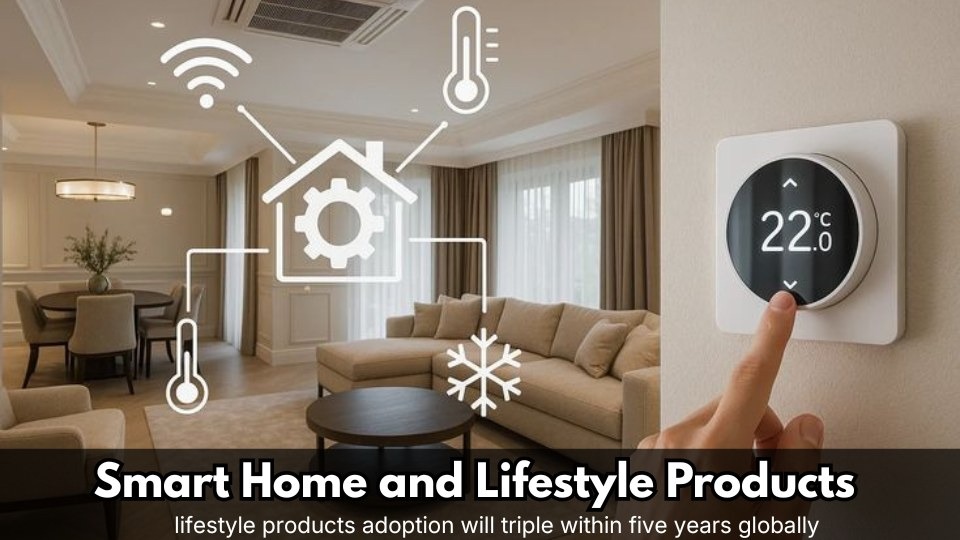
Whether you seek reducing utility bills through energy efficient smart devices or simplifying routines via intelligent home assistants, understanding these technologies empowers informed purchasing decisions. Industry analysts confirm that smart home and lifestyle products adoption will triple within five years globally.
Understanding the Foundation of Connected Living Environments
Smart home and lifestyle products encompass interconnected devices utilizing wireless communication protocols to automate, monitor, and optimize residential functions. These technologies transform passive living spaces into responsive environments adapting to occupant preferences, schedules, and behavioral patterns automatically.
The global smart home market currently exceeds 100 billion dollars with projections indicating continued exponential growth through 2030. This expansion reflects increasing consumer recognition that home automation systems deliver measurable benefits beyond mere novelty. Energy savings, security enhancements, and convenience improvements justify investment for millions of households worldwide.
Core Technologies Enabling Intelligent Homes
Modern connected device ecosystems rely on several foundational technologies working harmoniously. WiFi connectivity provides primary communication pathways while Zigbee and Z Wave protocols offer lower power alternatives for battery operated sensors. Voice recognition through intelligent home assistants enables hands free control throughout living spaces.
Cloud computing platforms process data collected from numerous sensors, applying machine learning algorithms to identify patterns and optimize operations continuously. This IoT lifestyle technology infrastructure enables devices from different manufacturers to communicate effectively, creating unified experiences despite hardware diversity.
Historical Evolution of Home Automation Technology
Automated home concepts originated decades before current implementations became feasible. The 1975 X10 protocol represented the first commercially available home automation technology, utilizing existing electrical wiring for simple device communication. However, limitations in reliability and functionality restricted adoption to enthusiast communities primarily.
Smart home and lifestyle products gained mainstream momentum following the 2014 Amazon Echo introduction. Voice controlled intelligent home assistants dramatically reduced interaction complexity, enabling non technical users to embrace automation comfortably. This accessibility breakthrough transformed niche technology into a mass market phenomenon rapidly.
From Luxury to Necessity
Early home automation systems required substantial investment and professional installation, positioning them as luxury amenities for affluent homeowners exclusively. Contemporary smart home and lifestyle products democratized access through affordable pricing, simplified setup procedures, and intuitive application interfaces.
Today, renters and homeowners alike integrate these technologies regardless of technical expertise levels. Entry level smart plugs cost under twenty dollars while providing meaningful energy efficient smart devices functionality. This accessibility ensures continued adoption acceleration across all demographic segments.
Why Intelligent Home Technology Matters Today
Smart home and lifestyle products address critical contemporary challenges including energy conservation, security concerns, and time scarcity simultaneously. Climate change urgency demands reduced residential energy consumption, which automated systems achieve through intelligent resource management unavailable through manual approaches.
Daily convenience optimization through automation recovers significant time otherwise spent on routine tasks. Consider cumulative hours saved annually when lighting, climate, and entertainment systems respond automatically to presence and preferences without requiring manual adjustment repeatedly.
Environmental Impact and Sustainability
Energy efficient smart devices contribute meaningfully to household carbon footprint reduction. Smart thermostats alone reduce heating and cooling energy consumption by approximately 23 percent according to Environmental Protection Agency studies. Multiplied across millions of installations, this represents substantial environmental benefit.
- Automated lighting systems eliminate waste from forgotten lights through occupancy sensing and scheduling capabilities
- Smart irrigation controllers reduce outdoor water consumption by up to 50 percent through weather responsive adjustments
- Energy monitoring devices identify wasteful appliances enabling targeted efficiency improvements throughout homes
- Connected power strips eliminate phantom loads from devices consuming electricity while supposedly powered off
- Intelligent window treatments optimize natural lighting and temperature regulation reducing HVAC demands significantly
Benefits Transforming Modern Domestic Experiences
Smart home and lifestyle products deliver advantages spanning financial savings, enhanced security, improved comfort, and increased accessibility for individuals with mobility limitations. These benefits compound over time as systems learn preferences and optimize performance continuously.
Home automation systems provide unprecedented visibility into resource consumption patterns. Real time monitoring enables homeowners to identify waste sources and implement corrections immediately. Many users report discovering significant energy drains they never suspected existed prior to smart monitoring installation.
Security and Peace of Mind
Connected device ecosystems extend beyond convenience into comprehensive security solutions. Smart locks, video doorbells, motion sensors, and surveillance cameras integrate into unified platforms providing complete property awareness regardless of physical location.
Remote monitoring capabilities through IoT lifestyle technology allow travelers to verify home security instantly. Package delivery notifications, unexpected motion alerts, and door access logs provide continuous awareness previously requiring physical presence or professional monitoring services exclusively.
Challenges Requiring Careful Consideration
Despite remarkable benefits, smart home and lifestyle products present legitimate concerns demanding thoughtful navigation. Privacy implications arise from devices continuously collecting behavioral data within intimate domestic environments. Understanding data handling practices remains essential before installation.
Cybersecurity vulnerabilities potentially expose connected homes to unauthorized access. Poorly secured devices may provide entry points for malicious actors seeking network access or personal information. Selecting reputable manufacturers prioritizing security features mitigates these risks substantially.

Compatibility and Integration Complexities
Creating seamless connected device ecosystems requires careful product selection ensuring interoperability. Competing platforms from Amazon, Google, and Apple maintain varying compatibility levels with third party devices. Researching integration capabilities before purchasing prevents frustrating incompatibility discoveries afterward.
- Matter protocol adoption promises improved cross platform compatibility reducing fragmentation concerns significantly
- Professional consultation helps navigate complex multi device integration requirements for comprehensive installations
- Starting with single platform ecosystems simplifies initial setup while allowing gradual expansion over time
- Regular firmware updates maintain security and add functionality requiring ongoing attention from homeowners
- Internet dependency means connectivity disruptions temporarily disable cloud reliant smart home and lifestyle products functionality
Practical Implementation Strategies for Maximum Value
Beginning smart home and lifestyle products integration strategically maximizes return on investment while minimizing frustration. Experts recommend starting with high impact categories including climate control, lighting, and security before expanding into specialized applications.
Energy efficient smart devices like thermostats typically deliver fastest payback through immediate utility savings. Smart lighting provides visible daily convenience optimization while consuming minimal setup effort. Security devices offer peace of mind benefits difficult to quantify financially but highly valued subjectively.
Gradual expansion allows learning system capabilities thoroughly before adding complexity. Most intelligent home assistants support thousands of compatible devices, enabling continuous enhancement as comfort levels and budgets permit over extended timeframes.
Conclusion:
The transformative power of smart home and lifestyle products continues reshaping how families interact with their living environments daily. Throughout this guide, we explored home automation systems fundamentals, examined energy efficient smart devices benefits, and addressed connected device ecosystems integration challenges requiring careful navigation.
From reducing utility bills through intelligent climate control to enhancing security via IoT lifestyle technology, these innovations deliver measurable improvements across multiple life dimensions. While privacy and compatibility concerns demand attention, strategic implementation maximizes value significantly.
As smart home and lifestyle products evolve rapidly, early adopters position themselves advantageously for increasingly connected futures. Your intelligent living journey begins with a single device today.