
The groundbreaking fusion of architecture design and technology is redefining how visionary structures emerge from conceptualization to physical reality. From parametric facades to algorithmically generated floor plans, contemporary architects harness computational power previously unimaginable in traditional practice.
This comprehensive guide explores the fascinating intersection where architecture design and technology converge through insights from industry leading professionals. We examine how Building Information Modeling BIM revolutionizes project coordination, why computational design tools enable unprecedented creative freedom, and what digital fabrication methods mean for construction efficiency.
Whether you pursue understanding sustainable architecture innovation principles or seek mastering parametric design software for professional advancement, this exploration provides essential knowledge. Leading practitioners confirm that architecture design and technology integration separates exceptional firms from conventional competitors increasingly.
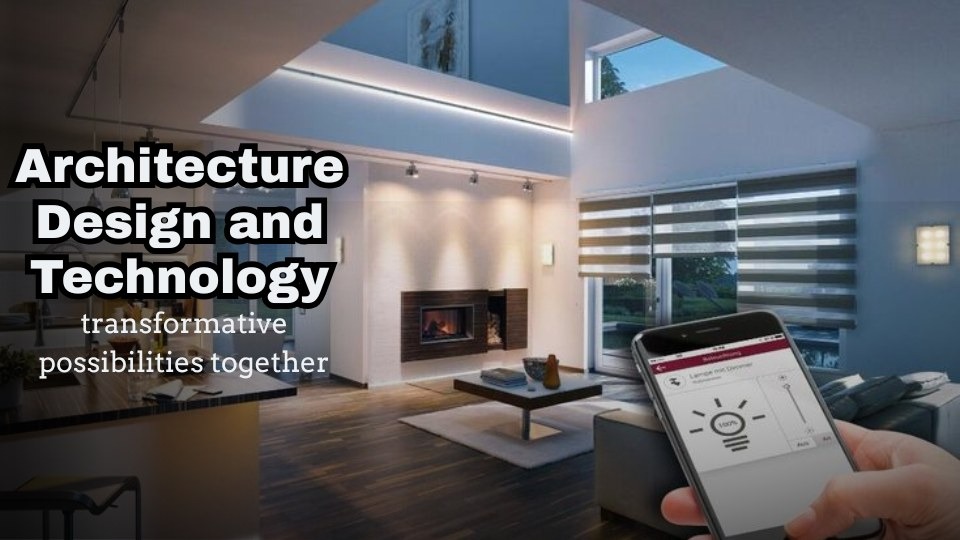
Ready to discover how digital tools amplify architectural creativity? Let us explore the transformative possibilities together.
Defining the Convergence of Computational Power and Creative Vision
Architecture design and technology represents the systematic integration of digital tools, computational methods, and innovative software platforms into architectural practice. This convergence transforms how professionals conceptualize, develop, visualize, and construct built environments across residential, commercial, and institutional sectors worldwide.
The global architecture software market currently exceeds 10 billion dollars with consistent annual growth projections through 2030. This expansion reflects industry recognition that computational design tools deliver competitive advantages impossible through traditional drafting approaches alone. Firms embracing these innovations consistently outperform competitors relying on conventional methodologies.
Core Components of Digital Architectural Practice
Modern architectural workflows incorporate multiple technology layers functioning synergistically. Building Information Modeling BIM provides foundational data management capabilities enabling comprehensive project coordination. Three dimensional visualization software transforms abstract concepts into photorealistic representations clients understand intuitively.
Parametric design software enables architects to explore thousands of design variations simultaneously through algorithmic generation. Rather than manually drawing each iteration, professionals establish parameter relationships allowing computers to generate optimized solutions matching specified constraints automatically. This capability fundamentally expands creative exploration possibilities.
Historical Evolution From Drafting Tables to Digital Platforms
Architectural practice remained remarkably consistent for centuries until computing technology emerged. Hand drafting on paper constituted primary documentation methods from ancient civilizations through the 1980s. This manual approach limited revision efficiency and collaboration capabilities significantly.
Computer aided design introduction during the 1980s represented the first major technological disruption. AutoCAD and similar platforms digitized drafting processes, enabling faster modifications and cleaner documentation. However, early software essentially replicated manual techniques digitally without fundamentally transforming design thinking approaches.
The BIM Revolution Transforms Practice
Architecture design and technology integration accelerated dramatically following Building Information Modeling BIM emergence during the early 2000s. Unlike simple drafting software, BIM platforms create intelligent three dimensional models containing comprehensive building data beyond geometric representation.
This paradigm shift enabled unprecedented coordination between architects, engineers, and contractors. Clash detection algorithms identify conflicts between structural, mechanical, and electrical systems before construction begins, preventing costly field modifications. Industry studies indicate BIM implementation reduces project errors by approximately 40 percent consistently.
Why Digital Integration Matters for Contemporary Practice
Architecture design and technology convergence addresses critical industry challenges including sustainability demands, project complexity increases, and client expectation evolution simultaneously. Climate change urgency requires optimizing building performance through sophisticated energy modeling unavailable through intuition alone.
Contemporary projects involve unprecedented complexity levels requiring coordination across numerous specialized disciplines. Digital platforms enable seamless information exchange between stakeholders regardless of geographical location. This capability proves essential as global collaboration becomes standard practice for significant projects.
Competitive Differentiation Through Innovation
Firms demonstrating computational design tools mastery attract premium clients seeking cutting edge solutions. Award winning projects increasingly feature algorithmically generated forms, responsive facades, and performance optimized geometries distinguishing them from conventional approaches visually.
- Zaha Hadid Architects pioneered parametric design software applications creating iconic fluid geometries impossible through traditional methods
- Foster and Partners utilizes environmental simulation extensively optimizing sustainable architecture innovation across global projects
- BIG Architects combines computational exploration with humanistic design principles achieving both technical excellence and emotional resonance
- SOM employs advanced structural optimization algorithms creating efficient towers minimizing material consumption significantly
- Heatherwick Studio integrates digital fabrication methods with craft traditions producing uniquely textured architectural experiences
Benefits Transforming Professional Capabilities
Architecture design and technology integration delivers measurable advantages spanning efficiency improvements, quality enhancements, and creative expansion simultaneously. These benefits compound as practitioners develop deeper software proficiency over time through consistent application.
Building Information Modeling BIM reduces documentation errors while accelerating production timelines substantially. Automated scheduling and quantity extraction eliminate manual calculation requirements previously consuming significant staff hours. This efficiency enables smaller firms competing effectively against larger established competitors.
Enhanced Visualization and Client Communication
Photorealistic rendering capabilities transform client presentations from abstract drawings into immersive visual experiences. Virtual reality walkthroughs allow stakeholders experiencing proposed spaces before construction begins, reducing misunderstandings and change orders during execution phases significantly.
Computational design tools enable real time design modifications during client meetings. Rather than returning with revised drawings weeks later, architects adjust parameters immediately, demonstrating options responsively. This capability dramatically improves client satisfaction and project approval efficiency.
Challenges Requiring Strategic Navigation
Despite remarkable benefits, architecture design and technology adoption presents legitimate obstacles demanding careful consideration. Software licensing costs accumulate substantially, particularly for smaller practices maintaining multiple platform subscriptions simultaneously. Annual fees for comprehensive Building Information Modeling BIM suites exceed thousands of dollars per seat.
Learning curve investments require significant time commitments from practicing professionals. Mastering parametric design software demands months of dedicated study beyond traditional architectural education foundations. Firms must balance production demands against training investments strategically.
Technology Dependency and Skill Gaps
Over reliance on computational design tools potentially diminishes fundamental design intuition development. Critics argue that algorithmic generation sometimes produces visually striking but experientially deficient architecture lacking human centered considerations essential for meaningful spaces.
- Educational institutions struggle updating curricula matching rapidly evolving software capabilities and industry expectations
- Generational divides emerge between digitally native younger practitioners and experienced professionals trained traditionally
- Hardware requirements for advanced sustainable architecture innovation modeling demand substantial capital investment
- File compatibility issues between different digital fabrication methods platforms create collaboration friction occasionally
- Cybersecurity concerns increase as firms store sensitive project data on cloud platforms vulnerable potentially

Real World Applications Demonstrating Possibilities
Architecture design and technology integration enables projects previously impossible through conventional approaches. The Beijing National Stadium utilized parametric modeling generating its iconic interwoven structural pattern. This complexity would require years of manual coordination without computational assistance.
Sustainable architecture innovation benefits tremendously from energy simulation capabilities. Architects model solar exposure, wind patterns, and thermal performance optimizing building orientation and envelope design before construction. These analyses inform decisions yielding significant operational energy reductions throughout building lifecycles.
Digital fabrication methods connect design directly to manufacturing processes. Complex facade panels, custom structural connections, and intricate interior elements translate from digital models to physical components through computer controlled machinery. This workflow enables mass customization previously economically unfeasible.
Architecture design and technology will continue evolving as artificial intelligence, generative design, and robotic construction mature. Practitioners embracing continuous learning position themselves advantageously for increasingly automated yet creatively demanding futures ahead.
Conclusion:
The transformative convergence of architecture design and technology continues redefining how professionals create meaningful built environments worldwide. Throughout this guide, we explored Building Information Modeling BIM fundamentals, examined computational design tools applications, and highlighted sustainable architecture innovation possibilities shaping contemporary practice.
From parametric design software enabling unprecedented creative exploration to digital fabrication methods connecting concepts with construction seamlessly, these innovations deliver measurable competitive advantages. While challenges including cost barriers and learning curves demand attention, strategic adoption positions firms advantageously.
As architecture design and technology integration accelerates, practitioners embracing continuous learning will lead the industry forward. Your journey toward computational excellence begins with commitment today.