The revolutionary intersection of art culture and technology is fundamentally transforming how humanity creates, experiences, and preserves creative expression across generations. From algorithm generated paintings selling for millions to virtual museum experiences transcending physical boundaries, this convergence reshapes aesthetic possibilities unprecedented in human history.
This comprehensive guide explores the fascinating realm where art culture and technology unite through expert perspectives and groundbreaking examples. We examine how AI generated artwork challenges traditional authorship concepts, why digital art preservation matters for future generations, and what immersive exhibition technology means for museum experiences worldwide.
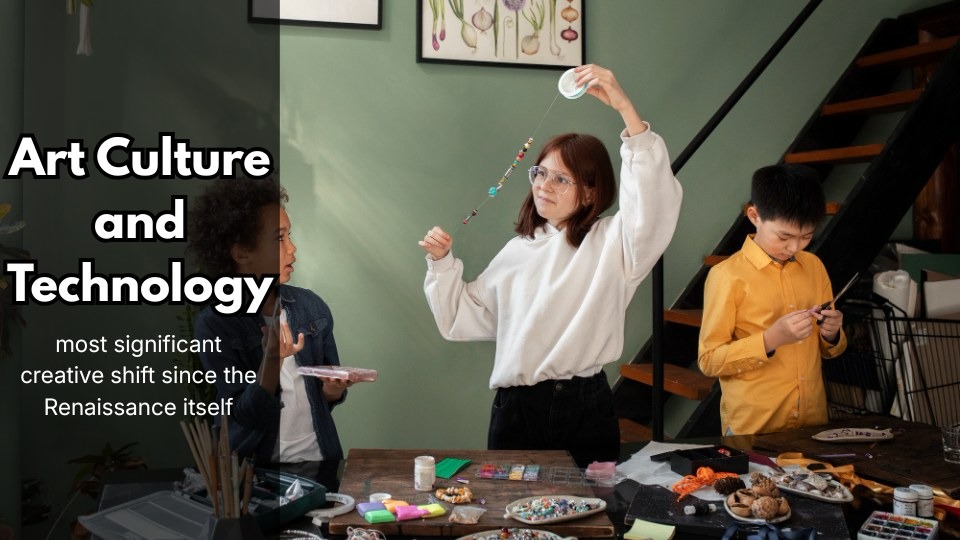
Whether you seek understanding blockchain art authentication implications or exploring virtual reality artistic experiences transforming creative consumption, this exploration provides essential insights. Leading curators and digital artists confirm that art culture and technology integration represents the most significant creative shift since the Renaissance itself.
Understanding the Digital Renaissance Transforming Art Culture and Technology
Art culture and technology represents the dynamic convergence where traditional creative practices meet computational innovation, artificial intelligence, and digital platforms. This intersection encompasses everything from algorithm generated visual compositions to blockchain authenticated digital collectibles reshaping how society values creative works.
The global digital art market exceeded 13 billion dollars in 2023 with continued exponential growth projections through the decade. This remarkable expansion reflects fundamental shifts in how audiences consume, collect, and interact with creative content. Understanding these dynamics proves essential for artists, collectors, institutions, and cultural enthusiasts navigating rapidly evolving landscapes.
Core Elements Defining This Convergence
Contemporary creative ecosystems incorporate multiple technological layers functioning synergistically. AI generated artwork utilizes machine learning algorithms trained on millions of historical images to produce novel compositions. These systems range from simple style transfer applications to sophisticated generative adversarial networks creating entirely original visual concepts.
Digital art preservation technologies ensure creative works survive technological obsolescence threatening early digital pieces. Museums worldwide invest significantly in maintaining accessibility for electronic artworks created decades ago using now antiquated hardware and software platforms requiring specialized emulation solutions.
Historical Evolution From Canvas to Code
Human creativity has always embraced available technologies, from prehistoric cave pigments to Renaissance oil paints to photography challenging traditional representation concepts. Each technological advancement initially faced resistance before integration into accepted artistic practice ultimately occurred.
Art culture and technology convergence accelerated dramatically following personal computer proliferation during the 1980s. Artists like David Hockney experimented with early digital tools while others dismissed electronic creation as lacking authenticity. This tension between innovation and tradition continues characterizing contemporary discourse surrounding algorithmic creativity.
The Internet Transforms Distribution and Access
World wide web emergence during the 1990s fundamentally democratized creative distribution. Artists previously dependent on gallery representation accessed global audiences directly through personal websites and online communities. This disintermediation challenged traditional gatekeeping structures controlling artistic visibility and commercial success.
Social media platforms further amplified these dynamics enabling viral creative content reaching millions instantly. Virtual reality artistic experiences emerged as internet bandwidth expanded, allowing immersive environments impossible through physical exhibition spaces alone. These capabilities transformed passive viewing into active participation fundamentally.
Why This Convergence Matters for Contemporary Society
Art culture and technology integration addresses critical contemporary challenges including accessibility limitations, preservation concerns, and authenticity verification simultaneously. Geographic and economic barriers historically restricting cultural participation diminish through digital democratization expanding creative engagement globally.
Museums report significant audience expansion through virtual programming implemented during pandemic restrictions. Many institutions discovered online engagement reaching demographics previously absent from physical attendance. This recognition accelerated immersive exhibition technology investment continuing beyond initial emergency implementations.
Cultural Heritage Preservation Imperatives
Digital art preservation ensures creative legacy transmission across generations despite physical deterioration threatening traditional artworks. High resolution scanning, three dimensional modeling, and environmental monitoring technologies protect irreplaceable cultural artifacts through comprehensive documentation previously impossible.
- The Google Arts and Culture initiative digitized over 2000 museums providing global access to masterworks regardless of geographical location
- Blockchain art authentication creates immutable provenance records preventing forgery and enabling transparent ownership transfer tracking
- AI restoration algorithms reconstruct damaged artworks analyzing stylistic patterns and historical documentation for accurate completion
- Virtual reality artistic experiences recreate destroyed heritage sites allowing exploration of ancient spaces lost to conflict or disaster
- Digital archives preserve performance art and ephemeral installations existing only through documentation historically
Benefits Expanding Creative Possibilities Exponentially
Art culture and technology convergence delivers remarkable advantages spanning creative exploration, audience engagement, and market accessibility simultaneously. These benefits compound as practitioners develop deeper technological fluency through consistent experimentation and application.
AI generated artwork enables artists exploring stylistic territories beyond manual capability limitations. Algorithms process visual information at scales impossible for human cognition, identifying patterns and generating variations numbering in thousands within minutes. This capability transforms creative workflows fundamentally.
Democratization of Creative Tools and Markets
Previously expensive professional creative software now reaches amateur practitioners through affordable subscription models and free alternatives. This accessibility explosion enables diverse voices participating in cultural production regardless of economic circumstances historically excluding talented individuals.
Blockchain art authentication revolutionizes creative markets through direct artist to collector transactions eliminating intermediary commissions consuming significant revenue percentages traditionally. Smart contracts automate royalty payments ensuring creators benefit from secondary market appreciation perpetually.

Challenges Demanding Thoughtful Navigation
Despite transformative benefits, art culture and technology integration presents legitimate concerns requiring careful consideration. Authorship questions arise when algorithms generate creative content, challenging centuries old concepts regarding artistic genius and individual expression fundamentally.
Environmental impact concerns accompany blockchain art authentication systems consuming substantial energy resources. Early cryptocurrency networks powering NFT marketplaces generated carbon footprints equivalent to small nations, prompting justified criticism from environmentally conscious communities.
Authenticity and Value Determination Complexities
Digital art preservation faces philosophical questions regarding originality when perfect copies exist infinitely. Traditional scarcity models supporting art market valuations collapse when identical reproductions require merely copying files. New frameworks for determining digital artwork value continue evolving contentiously.
- Copyright infringement concerns emerge when AI systems train on protected artworks without creator compensation or consent
- Digital divide issues exclude populations lacking internet access from participating in increasingly online cultural ecosystems
- Technological obsolescence threatens artworks dependent on specific hardware or software platforms discontinued unexpectedly
- Market speculation distorts creative value assessments when investment motivations supersede aesthetic appreciation considerations
- Immersive exhibition technology costs restrict implementation primarily to well funded institutions widening resource disparities
Real World Applications Demonstrating Transformative Potential
Art culture and technology convergence manifests through numerous groundbreaking implementations worldwide. The teamLab collective creates spectacular immersive exhibition technology installations where visitors interact with responsive digital environments transforming based on human presence and movement.
Refik Anadol utilizes machine learning processing massive datasets into mesmerizing visualizations displayed on architectural scales. His AI generated artwork installations transform building facades into dynamic canvases responding to environmental data streams continuously.
Virtual reality artistic experiences like the Mona Lisa Beyond the Glass allow unprecedented intimate engagement with iconic masterpieces. Visitors examine brushstroke details impossible from normal viewing distances while contextual information enhances understanding of historical significance.
Art culture and technology will continue evolving as artificial intelligence capabilities expand and immersive technologies mature. Practitioners embracing experimentation while maintaining critical perspective position themselves advantageously within this transformative creative landscape.
Conclusion:
The transformative convergence of art culture and technology continues redefining how humanity creates, experiences, and preserves creative expression across generations. Throughout this guide, we explored AI generated artwork possibilities, examined digital art preservation imperatives, and highlighted immersive exhibition technology applications revolutionizing museum experiences worldwide.
From blockchain art authentication ensuring provenance transparency to virtual reality artistic experiences transcending physical limitations, these innovations democratize cultural participation globally. While challenges including authorship questions and environmental concerns demand attention, thoughtful integration unlocks unprecedented creative potential.
As art culture and technology evolution accelerates, embracing innovation while honoring traditional creative values ensures meaningful artistic futures. Your journey into digital creativity awaits exploration.