
Learning to stop being so hard on yourself is one of the most powerful steps toward lasting mental wellness and emotional balance. Many people struggle with negative self-talk, perfectionism, and harsh inner criticism that slowly drains their happiness and confidence.
The truth is, self-compassion isn’t weakness it’s essential for personal growth and inner peace. When you practice self-forgiveness and release unrealistic expectations, you create space for healing and genuine self-improvement.
In this comprehensive guide, you’ll discover expert-backed strategies to overcome self-criticism, build healthier thought patterns, and cultivate a kinder relationship with yourself. Whether you’re battling burnout, anxiety, or simply feeling overwhelmed, these proven techniques will help you embrace self-acceptance and transform your mental well-being for good.
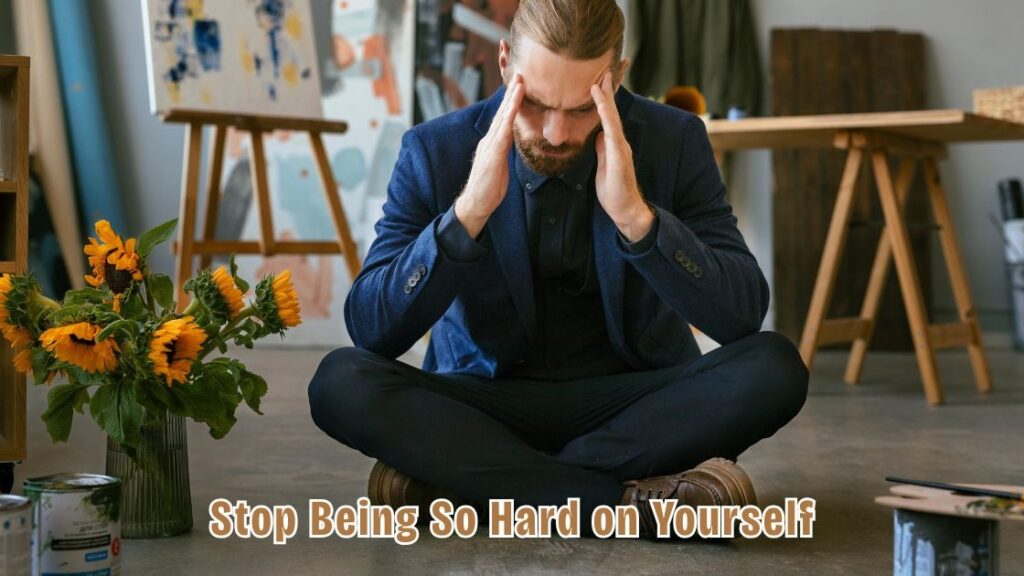
How Self Criticism Affects Your Mental Health and Emotional Well Being
Self criticism is a common human experience, but when it becomes excessive, it can seriously harm your emotional well-being. When you stop being so hard on yourself, you begin breaking free from destructive thought patterns that keep you stuck in negativity and self doubt.
What Does Being Hard on Yourself Really Mean?
Being hard on yourself involves constant internal judgment, unrealistic expectations, and an inability to accept imperfections. This harsh inner voice magnifies failures while dismissing accomplishments. People who struggle with this often experience chronic stress, low self esteem, and difficulty maintaining healthy relationships.
Why Do People Develop Harsh Self Judgment?
Several factors contribute to excessive self criticism. Childhood experiences, societal pressures, and perfectionist tendencies often play significant roles. Many individuals learn these patterns from parents, teachers, or cultural expectations that emphasize achievement over self acceptance. Understanding these roots helps you stop being so hard on yourself by recognizing that these thought patterns were learned and can be unlearned.
The Importance of Self Compassion for Mental Wellness
Self compassion serves as the perfect remedy for overcoming harsh self judgment. Research from leading psychologists confirms that treating yourself with kindness significantly improves mental health outcomes and overall life satisfaction.
How Self Kindness Transforms Your Well Being
When you practice self kindness, your brain releases calming hormones that reduce anxiety and depression. This gentle approach allows you to stop being so hard on yourself while still pursuing meaningful goals. Unlike self criticism, which paralyzes growth, self compassion motivates positive change through encouragement rather than punishment.
The Science Behind Self Forgiveness
Studies show that people who practice self forgiveness experience lower levels of cortisol, the stress hormone. They also demonstrate greater resilience when facing challenges. This scientific evidence confirms that learning to stop being so hard on yourself isn’t just feel good advice but a proven pathway to better mental wellness.
Expert Strategies to Overcome Negative Self Talk
Mental health professionals recommend several evidence based techniques for developing a healthier inner dialogue. These strategies help you gradually replace self criticism with supportive self communication.
Practice Mindful Awareness
Mindfulness helps you observe negative thoughts without becoming consumed by them. When critical thoughts arise, acknowledge them without judgment and gently redirect your focus. This practice creates space between you and your harsh inner voice, making it easier to stop being so hard on yourself over time.
Reframe Your Inner Dialogue
Transform critical self talk by speaking to yourself as you would to a dear friend. Notice when you use harsh language internally and consciously replace it with compassionate alternatives. This simple shift can dramatically improve your emotional state and help you embrace self acceptance.
Practical Steps to Build Lasting Self Compassion
Building self compassion requires consistent practice and patience. Follow these actionable steps to develop a kinder relationship with yourself.
- Acknowledge your feelings without dismissing them as weakness or overreaction.
- Accept that making mistakes is a natural part of being human, just like everyone else.
- Write yourself a compassionate letter when facing difficult situations.
- Set realistic expectations that account for your limitations and circumstances.
- Celebrate small victories and progress rather than focusing solely on end goals.

Benefits of Learning to Be Gentler With Yourself
When you stop being so hard on yourself, you unlock numerous mental and physical health benefits that enhance every area of life.
Emotional and Psychological Advantages
Practicing self compassion leads to reduced anxiety, decreased depression symptoms, and greater emotional resilience. You develop stronger coping mechanisms and experience more positive emotions throughout daily life. This emotional stability supports healthier relationships and improved decision making.
Physical Health Improvements
The benefits extend beyond mental wellness. Lower stress levels from self compassion contribute to better sleep quality, improved immune function, and reduced inflammation. When you stop being so hard on yourself, your entire body responds positively to the decreased stress burden.
Common Challenges and How to Overcome Them
Many people find it difficult to break long established patterns of self criticism. Common obstacles include:
- Feeling that self compassion equals laziness or complacency.
- Deeply ingrained habits of negative self talk from childhood.
- Fear that without harsh criticism you will lose motivation.
- Difficulty recognizing when you are being self critical.
- Societal messages that glorify perfectionism and overwork.
Overcoming these challenges requires patience and persistence. Remember that learning to stop being so hard on yourself is a gradual process that improves with consistent practice.
Conclusion
Learning to stop being so hard on yourself is a transformative journey that requires patience, practice, and self awareness. By embracing self compassion, reframing negative self talk, and implementing expert strategies, you can break free from harsh self judgment and experience genuine mental wellness.
Remember, self kindness is not weakness but a powerful tool for personal growth and emotional healing. When you stop being so hard on yourself, you open doors to greater happiness, resilience, and inner peace. Start practicing these techniques today and watch your relationship with yourself transform for the better.