Container farming technology is quietly changing the way we think about food production, and if you haven’t heard about it yet, you’re about to discover something truly exciting. Imagine growing fresh, nutrient-rich crops inside a repurposed shipping container, right in the middle of a city, desert, or even your own backyard. No vast farmland needed. No unpredictable weather to worry about. Just clean, controlled, year-round harvests that taste as good as anything from a traditional farm and often better.
As the global population continues to rise and climate change puts increasing pressure on conventional agriculture, the need for smarter, more sustainable food systems has never been more urgent. This is exactly where container farming technology steps in as a practical and innovative solution. By bringing together vertical farming, hydroponic growing systems, LED grow lights, and climate controlled environments inside compact steel containers, this method allows growers to cultivate leafy greens, herbs, strawberries, and many other crops while using up to 90% less water compared to conventional farming.
Whether you are a curious home grower, a restaurant owner looking for hyper-local produce, or an entrepreneur exploring urban agriculture opportunities, this guide is built for you. We will walk you through how it actually works from the inside out, explore its real-world benefits and limitations, break down the costs involved, and look at who is already using it successfully around the globe.
By the end of this article, you will have a clear and honest understanding of whether container farming technology and sustainable food production could be the right fit for your goals. Let’s dig in no soil required.
What Exactly Is Container Farming Technology?
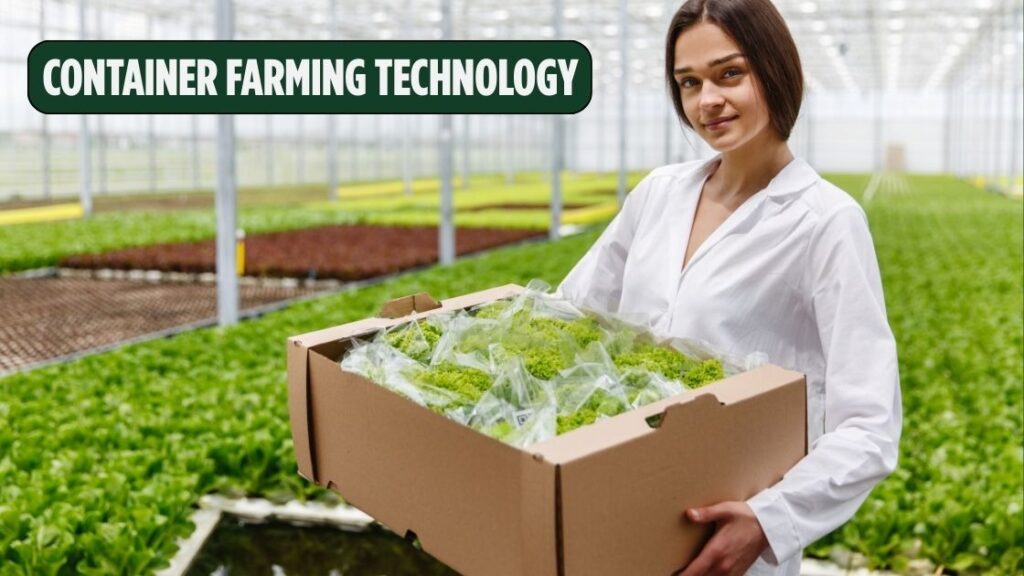
It refers to the practice of growing crops inside modified shipping containers that are equipped with advanced agricultural systems. These containers are transformed into fully functional, self-contained growing environments where every factor, from light and humidity to temperature and nutrients, is precisely controlled. Unlike traditional farming, this method does not depend on soil, seasons, or large plots of land. Instead, it uses hydroponic or aeroponic systems to deliver water and nutrients directly to plant roots, creating an incredibly efficient cycle of growth.
The concept may sound futuristic, but it has been steadily gaining momentum over the past decade. Companies like Freight Farms, CropBox, and Tiger Corner Farms have already deployed thousands of container farms across multiple continents. What started as an experimental urban agriculture idea has now matured into a reliable and scalable food production method that serves restaurants, grocery stores, schools, and even military bases.
A Brief History and Evolution
The roots of container farming technology trace back to the broader vertical farming movement that gained attention in the early 2000s. Researchers and entrepreneurs began exploring how controlled environment agriculture could address food insecurity in densely populated cities. By the early 2010s, the first commercial container farms hit the market, offering a turnkey solution that anyone could set up without traditional farming knowledge.
How the Industry Has Grown
Over the years, it has evolved dramatically. Early models were simple and limited in crop variety. Today’s smart container farms feature IoT sensors, automated nutrient dosing, app-based remote monitoring, and energy efficient LED lighting systems that can be customized for different crop types. This evolution has made container farming technology accessible not only to agricultural professionals but also to urban entrepreneurs and community organizations looking to produce local, sustainable food.
How Does Container Farming Technology Work?
Understanding the mechanics behind container farming technology is simpler than you might expect. At its core, the system replicates the ideal growing conditions for plants inside a sealed, insulated container.
The Internal Growing System
Most container farms use a vertical hydroponic setup where plants grow in stacked rows along the interior walls. Nutrient rich water circulates through channels, feeding the roots without any soil. LED grow lights replace sunlight and can be tuned to specific light spectrums that promote faster growth and better flavor. Climate control units maintain steady temperature and humidity levels regardless of outside weather conditions.
The Role of Smart Technology
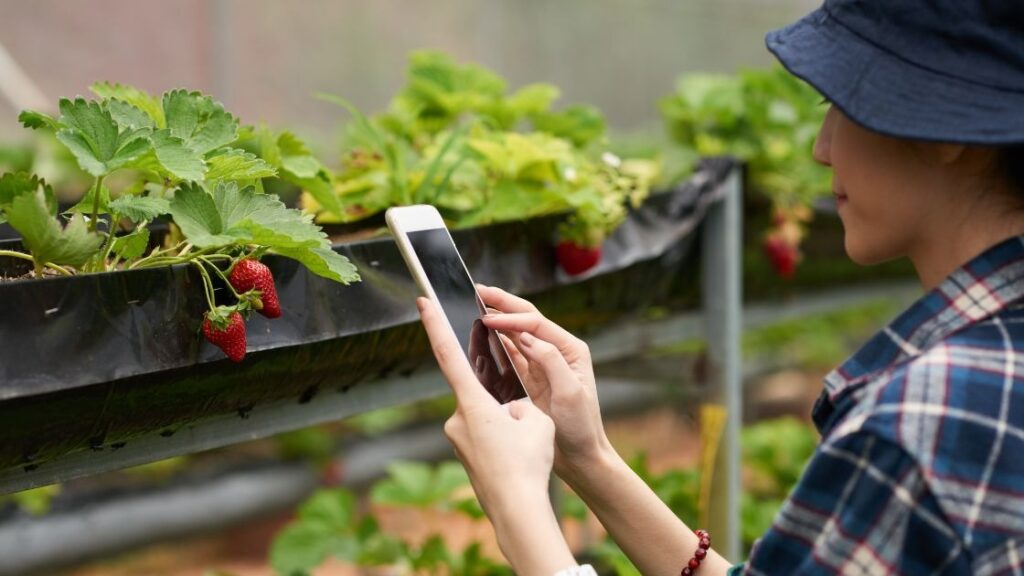
Modern container farming technology heavily relies on automation and data. Sensors placed throughout the container continuously monitor air quality, moisture levels, pH balance, and nutrient concentrations. This data is sent to a centralized dashboard or mobile application, allowing the grower to make adjustments from anywhere. Some advanced systems even use artificial intelligence to predict plant health issues before they become visible, reducing crop loss significantly.
Key Benefits of Container Farming Technology
It offers a range of advantages that make it appealing across different industries and regions. Here are five standout benefits that set it apart from conventional agriculture.
- Water Efficiency: Container farms consume up to 90% less water compared to conventional field farming, thanks to the closed loop hydroponic system that continuously recirculates and reuses every drop.
- Year Round Production: Since the growing environment is fully controlled, crops can be harvested every single week regardless of season, drought, or extreme weather events.
- Space Optimization: A single 40 foot container can produce the equivalent of two acres of farmland, making it ideal for urban areas with limited space.
- Reduced Carbon Footprint: Growing food locally in container farms eliminates the need for long distance transportation, significantly cutting emissions tied to the food supply chain.
- Pesticide Free Crops: The sealed environment keeps pests and diseases out naturally, which means growers can produce clean, chemical free food without relying on harmful pesticides.
Who Can Benefit from Container Farming Technology?
The beauty of container farming technology lies in its versatility. It is not limited to one type of user or industry. Restaurants and farm to table businesses use it to grow hyper local ingredients just steps from their kitchens. Schools and universities integrate container farms into their sustainability programs and nutrition initiatives. Entrepreneurs in food deserts deploy them to provide communities with access to affordable fresh produce. Even international aid organizations have used container farming technology in refugee camps and disaster relief zones to ensure food security in the most challenging conditions.
Challenges and Considerations
While the advantages are compelling, it does come with certain challenges that potential growers should understand before investing.
High Initial Investment
Setting up a fully equipped container farm can cost anywhere between $80,000 and $150,000 depending on the level of automation and the brand. This upfront cost can be a barrier for small scale growers and community projects operating on tight budgets.
Energy Consumption
Because container farms rely entirely on artificial lighting and climate control, electricity costs can add up quickly. However, many growers are now integrating solar panels and renewable energy solutions to offset this concern and improve long term sustainability.
Limited Crop Variety
It works exceptionally well for leafy greens, herbs, microgreens, and small fruiting crops like strawberries. However, it is not currently practical for growing large root vegetables, grains, or tree fruits, which limits its scope compared to open field agriculture.
Practical Tips for Getting Started
If container farming technology sounds like something you want to explore, here are five practical steps to help you begin on the right foot.
- Research Reputable Providers: Compare companies like Freight Farms, CropBox, and GrowPod Solutions to find a container farm system that matches your budget, goals, and level of experience.
- Start with High Demand Crops: Leafy greens such as lettuce, kale, basil, and cilantro offer the fastest returns and are the easiest to grow in a controlled environment.
- Plan Your Energy Strategy: Factor electricity costs into your business plan early and explore renewable energy options to keep operational expenses manageable.
- Connect with the Community: Join online forums, attend indoor farming expos, and network with existing container farmers to learn from their real world experiences and mistakes.
- Track Everything: Use the data from your container farm sensors to continuously optimize nutrient levels, lighting schedules, and harvest cycles for better yield and quality over time.
The Future Looks Green
Container farming technology is no longer a niche experiment. It is a proven, scalable approach to sustainable food production that aligns with the growing demand for locally sourced, pesticide free, and environmentally responsible food. As energy costs decrease and smart farming tools become more sophisticated, the barriers to entry will continue to shrink. Whether you are motivated by business opportunity, food security, or environmental impact, container farming technology offers a path forward that is practical, innovative, and deeply rewarding.
Conclusion
The way we grow food is evolving, and it stands at the forefront of that transformation. Throughout this guide, we explored how modified shipping containers are being turned into powerful, self-contained growing systems that produce fresh, pesticide free crops year round. From hydroponic growing methods and smart climate control to IoT driven automation and energy efficient LED lighting, every element inside a container farm is designed to maximize yield while minimizing environmental impact.
We also looked at the real world benefits that make container farming technology so appealing. Dramatic water savings, reduced carbon emissions, local food production, and the ability to grow in virtually any location are advantages that traditional agriculture simply cannot match in urban settings. At the same time, we addressed the honest challenges, including high startup costs, energy demands, and limited crop variety, so you can make informed decisions before investing your time or resources.
What makes container farming technology truly remarkable is its accessibility. You do not need acres of farmland or years of agricultural experience to get started. Whether you are a chef seeking the freshest ingredients, an entrepreneur building a sustainable food business, or a community leader fighting food insecurity, this approach offers a realistic and scalable solution.
As vertical farming, controlled environment agriculture, and sustainable food systems continue to advance, it will only become more efficient, affordable, and widespread. The future of food is not just about feeding more people. It is about doing so responsibly, locally, and intelligently. And that future is already growing inside a steel box near you.