Every groundbreaking food brand you admire today likely started with a single idea and for many, that idea found its wings inside a food tech incubator. These innovation hubs have quietly become the launchpads behind some of the most disruptive startups reshaping how we grow, process, and consume food. But what actually happens behind those doors? And more importantly, what separates the startups that make it from those that don’t?
A food tech incubator offers far more than just office space. It provides early-stage companies with mentorship, funding access, industry connections, and hands-on technical support everything a startup needs to survive its most vulnerable phase. From plant-based food startups perfecting alternative proteins to agritech ventures revolutionizing supply chains, these programs have nurtured ideas that once seemed impossible and turned them into products sitting on grocery shelves worldwide.
In this article, we’re going beyond the buzzwords. You’ll discover real, documented success stories from founders who entered a food tech incubator with nothing more than a prototype and walked out with scalable businesses. We’ll explore how startup accelerator programs provided the structure they needed, how sustainable food innovation became their competitive edge, and what role venture capital in food tech played in taking them to the next level.
Whether you’re a founder exploring incubator options, an investor scouting the next big thing, or simply curious about how modern food companies are built, these stories will give you a front row seat to the journey. The food tech incubator model is proving that with the right support, bold ideas don’t just survive they thrive. Let’s dive into the stories that prove it.
What Is a Food Tech Incubator and Why Does It Matter?
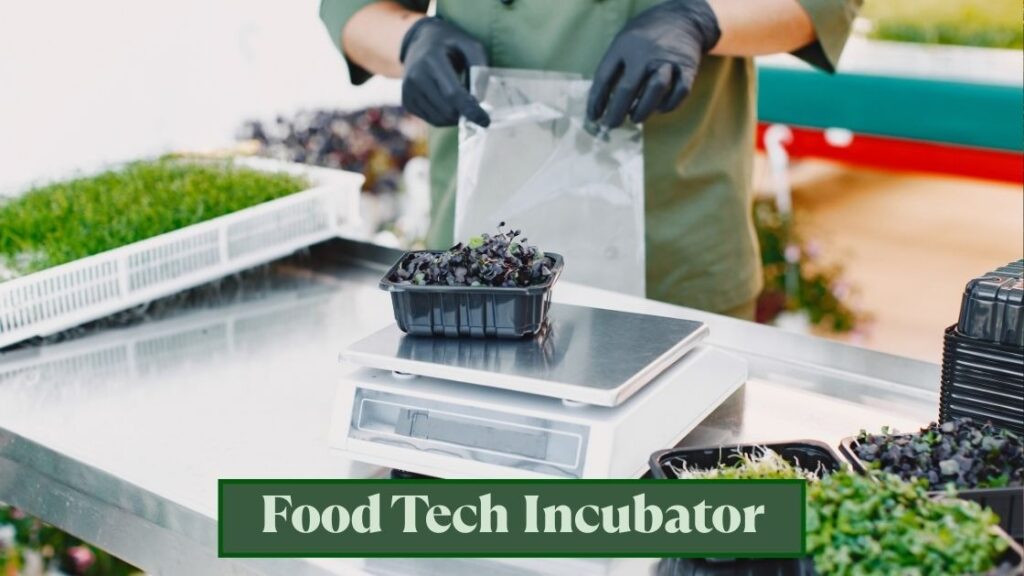
It is a structured support program designed to help early stage food and beverage startups grow from concept to commercially viable business. Unlike traditional business accelerators, these incubators focus specifically on the unique challenges of the food industry, including product development, food safety compliance, supply chain logistics, and consumer testing.
The significance of a food tech incubator has grown dramatically over the past decade. As consumers demand healthier, more sustainable, and ethically produced food options, the pressure on startups to innovate faster has never been higher. Incubators fill this gap by offering founders a nurturing ecosystem where ideas are refined, tested, and scaled under expert guidance. Without these programs, many of today’s most exciting food brands would never have made it past the kitchen stage.
How a Food Tech Incubator Works
The Application and Selection Process
Most programs begin with a competitive application process. Founders submit their business plans, prototypes, and growth projections. Selection committees typically look for innovative concepts, passionate teams, and scalable business models. Acceptance rates are often low, which ensures that only the most promising startups receive support from the food tech incubator.
The Incubation Phase
Once accepted, startups enter an intensive incubation period that usually lasts between three and twelve months. During this phase, founders gain access to commercial kitchens, food science laboratories, regulatory advisors, and seasoned mentors. The food tech incubator environment encourages collaboration among cohort members, often sparking partnerships and cross pollination of ideas that wouldn’t happen in isolation.
Demo Day and Beyond
The program typically concludes with a demo day, where startups pitch their refined products and business models to a room full of angel investors, venture capitalists, and industry leaders. This single event can open doors to seed funding for food startups, retail partnerships, and media exposure that would otherwise take years to secure.
Real Success Stories That Prove the Model Works
Plant Based Protein Brands That Started Small
Some of the most recognized names in the alternative protein market began their journeys inside a food tech incubator. These companies entered with rough prototypes of plant based burgers, dairy free cheese, or lab cultured meat products. Through structured mentorship and access to food science expertise, they were able to perfect taste, texture, and nutritional profiles before ever reaching a consumer’s plate. Today, several of these brands sit on shelves in major grocery chains across North America and Europe.
Sustainable Packaging Startups
The intersection of sustainable food innovation and packaging technology has also produced remarkable success stories. Startups focused on biodegradable packaging and zero waste solutions found their footing inside incubator programs that connected them with food manufacturers actively seeking greener alternatives. The food tech incubator gave them credibility, technical resources, and the industry relationships needed to land their first major contracts.
AI Powered Food Safety Platforms
Another exciting category involves startups using artificial intelligence in food production to detect contamination, predict shelf life, and optimize quality control. These founders often came from tech backgrounds and needed guidance navigating the complex world of food regulation. A food tech incubator bridged that knowledge gap, pairing them with food industry veterans who helped translate their technology into market ready solutions.
Key Benefits of Joining a Food Tech Incubator
Startups that go through these programs consistently report advantages that independent founders struggle to access on their own.
- Expert Mentorship: Founders receive one on one guidance from experienced food industry professionals and successful entrepreneurs.
- Funding Opportunities: Programs connect startups directly with investors interested in venture capital in food tech and early stage innovation.
- Regulatory Navigation: Navigating food safety laws and labeling requirements becomes significantly easier with in house compliance advisors.
- Network Access: Being part of a food tech incubator instantly connects founders with retailers, distributors, and potential partners.
- Reduced Risk: Shared resources, commercial kitchen access, and structured milestones help startups avoid costly mistakes during their most fragile phase.
Challenges Startups Still Face Inside Incubators
While the benefits are substantial, the journey inside a food tech incubator is far from easy. Founders often face intense pressure to meet aggressive timelines. The competitive environment within a cohort, while motivating, can also be stressful for teams still finding their footing. Additionally, not every startup secures funding after demo day, and some founders struggle to maintain momentum once the structured support ends.
Scaling production from a small batch prototype to a full manufacturing operation remains one of the biggest hurdles. Even with incubator support, the leap from pilot production to mass market distribution requires significant capital and operational expertise that not every startup is prepared for.
What Makes a Great Food Tech Incubator Stand Out
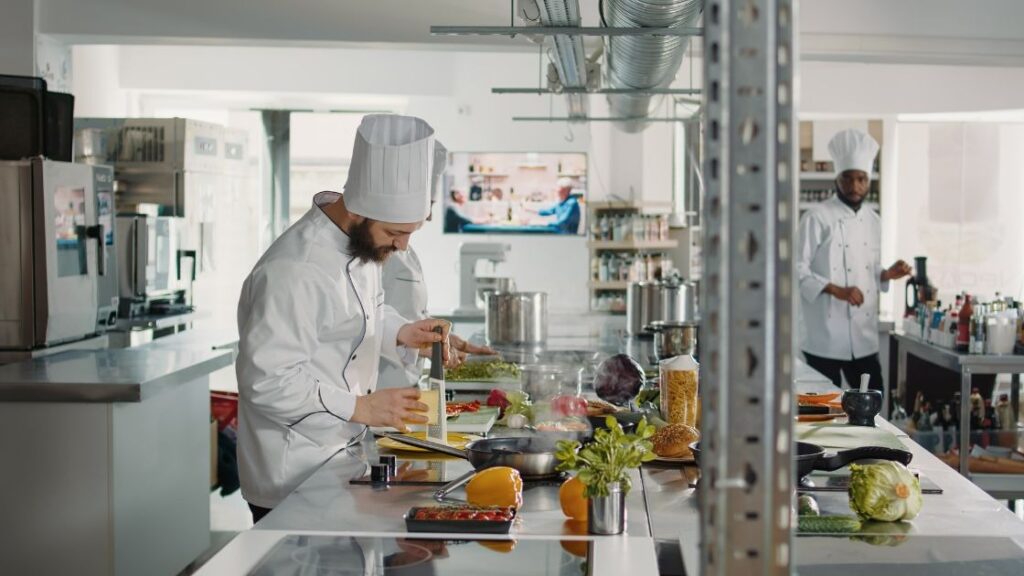
Not all incubator programs are created equal. The best ones share certain characteristics that consistently produce stronger outcomes for their startups.
- Industry Specific Focus: Programs dedicated exclusively to food and beverage innovation outperform generalist incubators because they understand sector specific challenges.
- Strong Alumni Network: A thriving alumni community signals long term value and ongoing support beyond the program itself.
- Corporate Partnerships: Incubators connected with major food corporations offer startups direct pathways to retail distribution channels.
- Post Program Support: The best programs continue offering resources, introductions, and guidance long after graduation.
- Diverse Cohorts: Programs that bring together founders from different backgrounds in technology, nutrition, agriculture, and business tend to produce more well rounded and resilient startups.
The Growing Role of Food Tech Incubators in Global Innovation
The food tech incubator model is no longer a niche concept limited to Silicon Valley or London. Programs are now emerging across Asia, Africa, Latin America, and the Middle East, each addressing regional food challenges such as food security, agricultural technology adoption, and climate resilient farming. This global expansion means more founders than ever have access to the resources they need to build meaningful food businesses.
As consumer food trends continue to shift toward transparency, health, and sustainability, the role of incubators will only become more critical. They represent the infrastructure that turns raw innovation into real world impact, and the success stories coming out of these programs are proof that the model works.
Conclusion
The stories we’ve explored throughout this article make one thing clear: it is far more than a temporary support system. It is the foundation upon which some of the most innovative and impactful food companies of our generation have been built. From plant based protein pioneers to AI driven food safety platforms, these programs have consistently turned ambitious ideas into thriving, scalable businesses.
What makes the food tech incubator model so powerful is its ability to address the unique challenges of the food industry all under one roof. Founders gain access to mentorship, funding pipelines, regulatory expertise, and networks that would otherwise take years to develop independently. The combination of structured guidance and creative freedom gives startups the best possible chance of surviving their most critical early stages.
As consumer expectations continue evolving toward sustainable food innovation, transparency, and health conscious choices, the demand for fresh solutions will only intensify. This means the role of incubators in nurturing the next wave of food and beverage startups has never been more important. Whether it’s tackling global food security, advancing agricultural technology, or reimagining how products reach our tables, these programs sit at the heart of meaningful change.
For aspiring founders considering their next step, the evidence speaks for itself. It offers more than resources. It offers a real pathway to turning your vision into a brand that consumers trust and love. The next great food company could be yours, and the right incubator might just be where your story begins.
If you found these success stories inspiring, share this article with a fellow founder who needs to hear them. The future of food starts with bold ideas and the right support to bring them to life.