
Husk powder for weight loss has become one of the most searched natural supplements as people look for affordable, plant based alternatives to support their dietary goals. Also known as psyllium husk, isabgol, or ispaghula, this soluble fiber derived from the seeds of the Plantago ovata plant forms a thick gel in the digestive tract that promotes fullness, slows nutrient absorption, and supports healthier eating patterns.
But does it actually deliver results? The short answer is: the evidence is promising but nuanced. A 2023 meta analysis published in the Journal of the American Association of Nurse Practitioners found that psyllium dosed before meals (averaging 10.8 grams per day over roughly 4.8 months) led to a mean weight reduction of 2.1 kilograms, a BMI decrease of 0.8 points, and a 2.2 centimeter reduction in waist circumference among overweight and obese participants. Those are modest but clinically meaningful numbers, especially for a fiber supplement with minimal side effects.
This guide explains exactly how psyllium husk works in your body, what dosage the research supports, when and how to take it, who should avoid it, and how it compares to other popular fiber supplements.
Medical Disclaimer: This article is for informational purposes only and does not constitute medical advice. Consult a qualified healthcare professional before starting any supplement, especially if you have existing digestive conditions or take prescription medication.
Table of Contents
What Is Husk Powder (Psyllium Husk) and Where Does It Come From?
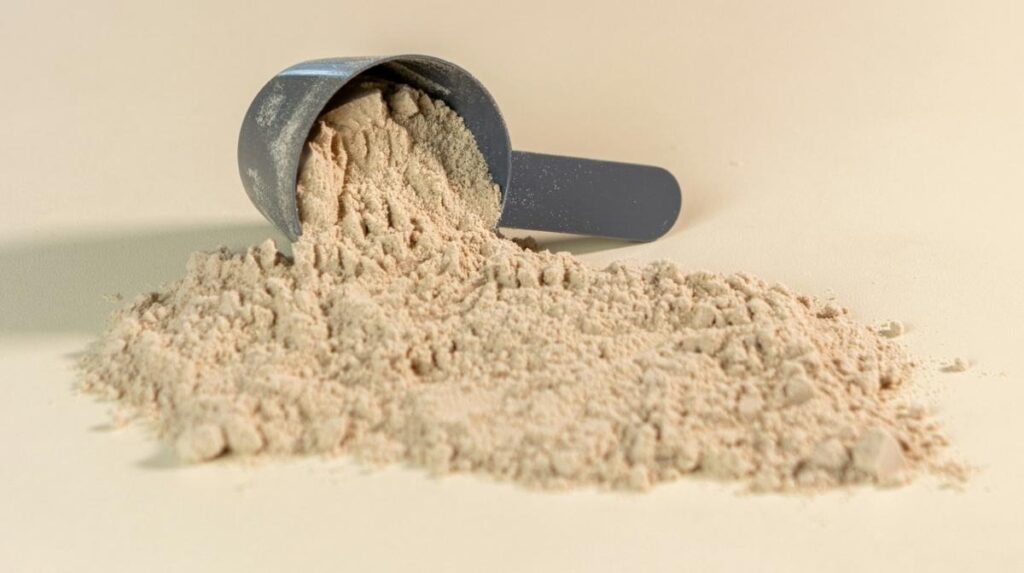
Psyllium husk is a natural soluble fiber harvested from the outer coating of Plantago ovata seeds, a plant grown primarily in India.
When mixed with water, psyllium absorbs many times its own weight in liquid and forms a viscous, gel like substance. This gel is not digested or fermented by gut bacteria, which means it passes through the entire digestive tract largely intact, providing its benefits along the way. The American College of Gastroenterology recognizes psyllium as the only isolated fiber recommended for relieving symptoms of irritable bowel syndrome, which speaks to its well established safety and efficacy profile.
In South Asia, psyllium husk has been used for generations under the name isabgol (from the Sanskrit words “asp” and “ghol,” meaning horse ear, referencing the seed’s shape). Today, it is commercially available worldwide as loose powder, capsules, and branded products like Metamucil.
How Does Psyllium Husk Promote Weight Loss? The Science Explained
Psyllium supports weight management through three interconnected mechanisms: increased satiety, slower nutrient absorption, and improved blood sugar stability.
Mechanism 1: Gel Formation and Appetite Suppression
When you consume psyllium with a full glass of water before a meal, it expands significantly in your stomach, creating a thick gel that occupies physical space. This expansion sends stretch receptor signals to your brain, triggering a feeling of fullness before you have eaten as much food as you normally would. The result is naturally reduced calorie intake without the willpower battle that comes with restrictive dieting.
Mechanism 2: Slowed Gastric Emptying and Nutrient Absorption
The viscous gel also slows the rate at which food leaves your stomach and enters the small intestine. This delayed gastric emptying means that glucose from your meal enters your bloodstream more gradually, reducing the sharp insulin spikes that often lead to energy crashes, cravings, and overeating later in the day.
Mechanism 3: Blood Sugar and Cholesterol Support
A 2016 clinical trial cited by Levels Health found that participants with Type 2 diabetes who consumed 10.5 grams of psyllium fiber daily (split before lunch and dinner) significantly lowered their fasting blood glucose, HbA1C, and insulin resistance markers after eight weeks. Stable blood sugar reduces the hormonal signals that drive hunger and fat storage, creating an environment that supports gradual weight reduction over time.
What Does the Clinical Evidence Actually Show?
The research is promising but mixed, and honesty about this is important.
The strongest positive evidence comes from the 2023 meta analysis in the Journal of the American Association of Nurse Practitioners, which analyzed six randomized controlled trials (354 total participants) and found statistically significant reductions in body weight (2.1 kg), BMI (0.8 points), and waist circumference (2.2 cm) when psyllium was taken before meals at an average dose of 10.8 grams per day. It is worth noting, however, that the authors of this study are employees of Procter & Gamble, the manufacturer of Metamucil, which introduces a potential conflict of interest.
A larger 2025 meta analysis published in the Journal of Health, Population and Nutrition, covering 27 randomized controlled trials with 1,352 participants, found more complex results. BMI and waist to hip ratio showed non significant decreases, and overall body weight actually increased slightly across the broader pool of studies. The takeaway: psyllium’s weight loss effect appears strongest in overweight and obese populations, when taken specifically before meals, and when combined with calorie controlled eating.
This is not a magic pill. It is a helpful tool within a structured approach.
Exact Dosage, Timing, and How to Take It Properly
Getting the dose and timing right is critical for both effectiveness and comfort.
Recommended Daily Dosage
Based on the clinical trials showing positive results, the effective dosage range is 10 to 15 grams of psyllium husk per day, divided into two or three servings taken before meals. This aligns with the dose used in the 2023 meta analysis (10.8 grams per day average) and recommendations from multiple clinical reviews.
Step by Step Usage Guide
- Start low: Begin with half a teaspoon (approximately 3.5 grams) once per day for the first week to let your digestive system adjust
- Increase gradually: Add a second serving in week two, and a third serving in week three if tolerated well
- Timing matters: Consume each dose 20 to 30 minutes before your main meal
- Hydration is non negotiable: Mix each serving into a full glass of water (at least 250 ml) and drink immediately before the gel thickens
- Follow with more water: Drink an additional glass of water after your dose to ensure the fiber moves through your system properly
- Stay consistent: Results in the clinical studies took 8 to 20 weeks to materialize, so expect gradual progress, not overnight changes
Critical Warning About Water Intake
Psyllium absorbs enormous amounts of liquid. Taking it without sufficient water can cause it to swell in your esophagus or intestines, leading to choking, blockage, or severe constipation. Always take it with a full glass of water, and drink additional fluids throughout the day.
Psyllium Husk vs Other Fiber Supplements: Which Is Best for Weight Loss?
Choosing the right fiber supplement depends on your goals, digestive tolerance, and budget.
| Supplement | Fiber Type | Calories per Serving | Satiety Effect | Fermented in Gut? | Best For |
| Psyllium Husk | Soluble (gel forming) | ~15 to 20 cal | High (gel expands in stomach) | No | Appetite control, IBS, cholesterol |
| Glucomannan | Soluble (gel forming) | ~5 cal | Very High | Partially | Maximum fullness per calorie |
| Chia Seeds | Soluble + Insoluble | ~60 cal per tbsp | Moderate | Partially | Nutrition + fiber combo |
| Flaxseed | Soluble + Insoluble | ~55 cal per tbsp | Moderate | Partially | Omega 3s + fiber combo |
| Inulin | Soluble (prebiotic) | ~25 cal | Low to Moderate | Yes (high fermentation) | Gut microbiome support |
| Methylcellulose (Citrucel) | Soluble (synthetic) | ~25 cal | Moderate | No | Sensitive stomachs, less gas |
Psyllium stands out because it forms a gel but is not fermented by gut bacteria, which means it causes significantly less gas and bloating than prebiotic fibers like inulin or chicory root. For people whose primary goal is appetite suppression and weight management, psyllium and glucomannan offer the strongest evidence.
A 2024 randomized controlled trial published in Nutrients found that a combination of glucomannan, inulin, and psyllium taken over 180 days led to a 4.9 percent reduction in body weight and a significant decrease in fat mass among obese participants, suggesting that combining fiber types may amplify results
Who Should Avoid Psyllium Husk? Safety Warnings and Side Effects
Psyllium is safe for most adults, but certain groups should exercise caution or avoid it entirely.
People with a history of esophageal narrowing, bowel obstruction, or difficulty swallowing should not take psyllium in any form, as the gel can cause dangerous blockages. Anyone currently taking prescription medications, especially for diabetes, blood thinning, or thyroid conditions, should consult their doctor before starting supplementation. Psyllium can reduce the absorption of certain drugs if taken at the same time, so a gap of at least two hours between medication and fiber intake is generally recommended.
Common Side Effects and How to Minimize Them
Most side effects occur when people start with too high a dose or fail to drink enough water.
Bloating and gas are the most frequent complaints during the first week. Starting at 3.5 grams per day and increasing gradually over two to three weeks allows your digestive system to adapt without discomfort.
Constipation (paradoxically) can occur if psyllium is consumed without adequate fluids. The fiber absorbs water aggressively, and without enough liquid, it can harden in the intestines rather than forming the soft gel that promotes movement.
Allergic reactions are rare but documented. If you experience skin rash, itching, or difficulty breathing after taking isabgol, discontinue use immediately and seek medical attention.
Does Psyllium Husk Target Belly Fat Specifically?
No supplement can selectively burn fat from a single body area, and psyllium is no exception.
However, the 2023 meta analysis did show a statistically significant reduction in waist circumference (2.2 cm average) among overweight participants taking psyllium before meals. This suggests that psyllium, combined with a calorie controlled diet, contributes to reduced visceral fat accumulation around the midsection over time. The mechanism is indirect: by stabilizing blood sugar and insulin levels, psyllium helps reduce the hormonal environment that promotes abdominal fat storage.
For people specifically concerned about belly fat, combining psyllium supplementation with regular physical activity (particularly resistance training and moderate cardio) and a diet rich in protein and whole foods will produce significantly better results than fiber alone.
How to Choose a Quality Psyllium Product
Not all husk powder products are created equal, and label reading matters.
Choose 100 percent pure psyllium husk powder with no added sugars, artificial sweeteners, flavors, or fillers. Many commercial brands, including some Metamucil varieties, contain sucralose, maltodextrin, or citric acid that add unnecessary ingredients. Pure isabgol from reputable brands is widely available in Pakistani, Indian, and South Asian grocery stores, as well as online.
Check for organic certification if possible. Since Plantago ovata is primarily grown in India, organic options reduce exposure to pesticide residues.
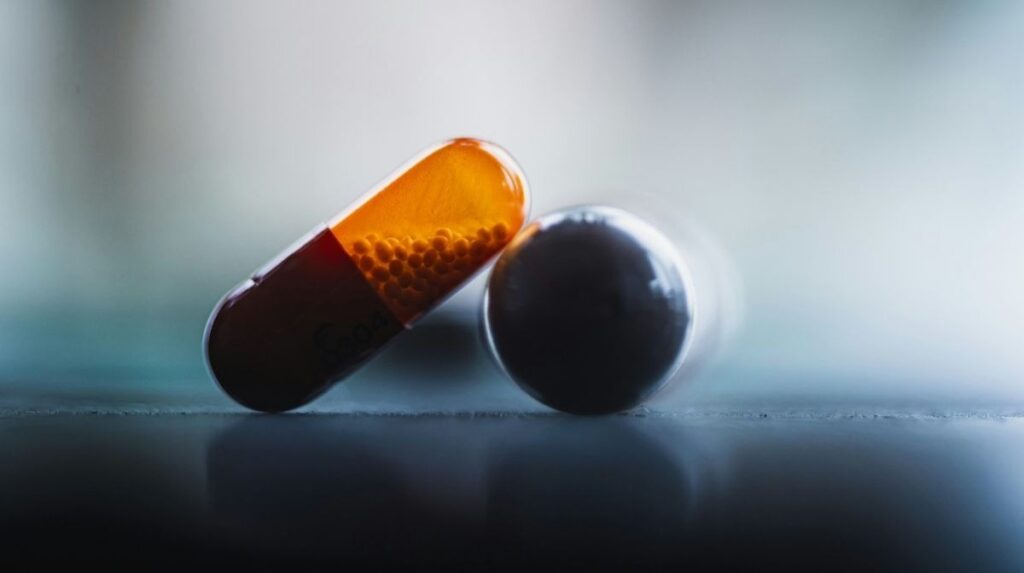
Powder versus capsules: Powder mixed in water is more effective because it begins forming gel before it reaches your stomach, maximizing the satiety effect. Capsules are more convenient but may not expand as fully before they reach the intestine.
Storage: Keep psyllium in an airtight container away from moisture. It absorbs humidity from the air, which can cause clumping and reduce shelf life.
Practical Tips for Long Term Success With Fiber Supplementation
Using husk powder for weight loss works best when it is embedded in sustainable habits rather than treated as a standalone fix.
Pair each pre meal dose with a protein rich meal to amplify satiety. Research consistently shows that fiber and protein together create the strongest appetite suppressing combination. Track your water intake seriously. Most people underestimate how much extra fluid they need when taking soluble fiber daily. Aim for at least 8 to 10 glasses per day total.
Do not rely on the scale alone. Psyllium improves digestion, regularity, and bloating, which means you may feel and look noticeably different before the number on the scale changes significantly. Measure your waist circumference weekly as a more reliable progress indicator.
Be patient. The clinical studies showing positive outcomes ran for 8 to 20 weeks. If you abandon the supplement after two weeks expecting dramatic results, you will be disappointed. Consistency over months is what drives meaningful change.
Conclusion
Husk powder for weight loss is not a miracle supplement, but it is one of the most well researched, affordable, and accessible natural tools available for supporting appetite control, digestive health, and gradual fat reduction. The clinical evidence, particularly the 2023 meta analysis showing a 2.1 kilogram weight loss and 2.2 centimeter waist reduction over roughly five months, supports its use as part of a structured approach that includes balanced nutrition, adequate hydration, and regular physical activity.
Start with a small dose, drink plenty of water, take it 20 to 30 minutes before meals, and give your body at least 8 to 12 weeks to respond. If you are on medication or have digestive concerns, speak with your doctor first.
If this guide helped clarify whether psyllium husk is right for your goals, share it with someone who has been wondering about this supplement. And if you have personal experience using isabgol for weight management, leave a comment below. Real user experiences are one of the most valuable things readers can learn from.
How much psyllium husk should I take daily for weight loss?
Clinical studies showing positive results used an average dose of 10.8 grams per day, divided into two or three servings taken 20 to 30 minutes before meals. Beginners should start with 3.5 grams per day for the first week and increase gradually to avoid bloating and digestive discomfort.
Is isabgol (psyllium husk) good for reducing belly fat?
Psyllium cannot selectively target belly fat, but a 2023 meta analysis found that it significantly reduced waist circumference by an average of 2.2 centimeters in overweight participants over several months. This effect is likely driven by improved blood sugar stability and reduced calorie intake from enhanced satiety.
Can I take psyllium husk before bed for weight loss?
Taking psyllium before bed is not the most effective strategy for weight management because its primary benefit is reducing calorie intake at meals. The clinical evidence supports pre meal dosing, specifically 20 to 30 minutes before lunch and dinner, for maximum appetite suppression.
What are the side effects of taking husk powder daily?
The most common side effects include bloating, gas, and mild stomach discomfort during the first week of use. These typically resolve as your body adjusts. Taking psyllium without enough water can cause constipation or, in rare cases, intestinal blockage, so always consume it with a full glass of water.
How long does it take for psyllium husk to show weight loss results?
Based on the available clinical trials, expect gradual progress over 8 to 20 weeks of consistent use. The 2023 meta analysis observed meaningful reductions in weight, BMI, and waist circumference after an average of 4.8 months. This is not a rapid weight loss supplement; it supports slow, sustainable progress.
Is psyllium husk better than glucomannan for weight loss?
Both are effective gel forming fibers with strong satiety effects. Psyllium has a broader evidence base for digestive health, cholesterol management, and IBS symptom relief. Glucomannan may produce slightly greater fullness per calorie. A 2024 trial published in Nutrients found that combining both fibers with inulin produced stronger weight loss results than either alone.