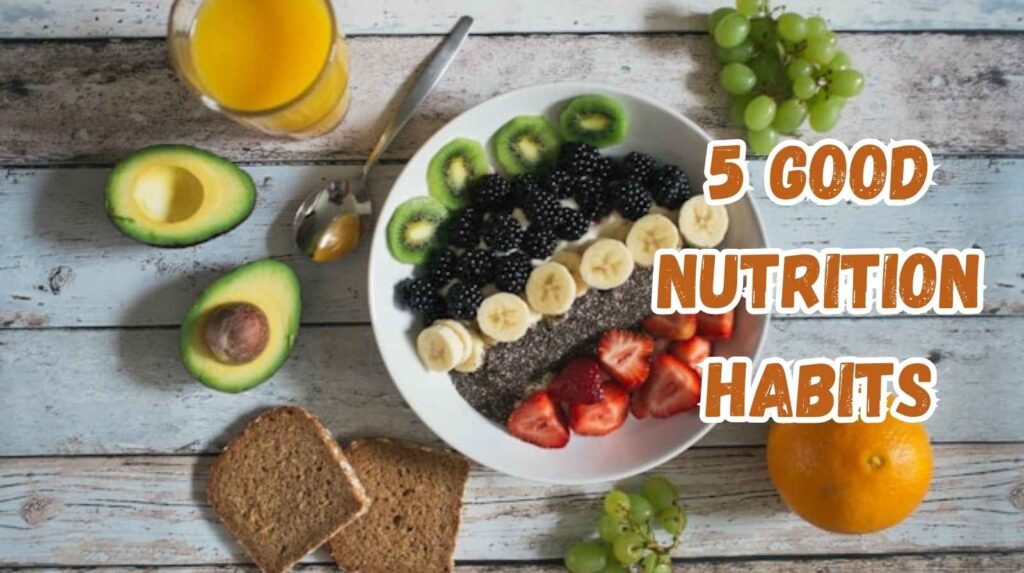
5 good nutrition habits are the foundation of a healthier lifestyle, helping you build routines that support long-term energy and wellness. In today’s fast-paced world, it’s easy to fall into convenient but unhealthy eating patterns, making it even more important to focus on sustainable everyday choices.
This article will guide you through practical habits that improve digestion, boost energy, and support overall well-being. Along the way, you’ll see why maintaining healthy eating, choosing a balanced diet, and staying consistent can create a positive, lasting impact on your health.
Understanding the Concept Behind 5 Good Nutrition Habits
Developing 5 good nutrition habits is about creating consistent behaviors that support long-term health. These habits are not strict rules but practical guidelines that help you make informed food choices. Over time, societies have shifted from traditional whole foods to more processed options, creating a greater need to return to nutrient-focused eating patterns. Learning how to balance foods, choose quality ingredients, and build healthier routines can positively influence energy levels, weight control, and overall wellness.
What Nutrition Habits Really Mean
Healthy nutrition habits refer to repeated actions that shape the way you plan, choose, and consume foods. Instead of relying on quick fixes, these habits emphasize consistency. They include everyday practices like mindful eating, portion control, and choosing nutrient-dense meals. Adding whole foods, maintaining healthy eating patterns, and focusing on long-term sustainability form the foundation of these practices.
Key Components of Effective Habits
You can divide strong nutrition habits into several core components:
- Awareness of what your body needs
- Choosing foods that support overall wellness
- Following routines that reduce decision stress
- Creating balance in every meal
Habit 1: Eating More Whole and Natural Foods
Increasing whole and natural foods is one of the most impactful parts of building 5 good nutrition habits. Whole foods contain minimal ingredients and provide essential nutrients without unnecessary additives.
Benefits of Whole Foods
Whole foods deliver vitamins, minerals, and antioxidants that support immune function and long-term health. They help improve digestion, stabilize energy levels, and reduce the risk of chronic disease.
Examples of Whole Foods to Include
•Fruits
•Vegetables
•Whole grains
•Lean proteins
•Legumes
Habit 2: Practicing Mindful Eating
Mindful eating encourages paying attention to hunger cues, emotional triggers, and the eating experience itself. This habit helps you avoid overeating and make better decisions during meals.
Why Mindful Eating Matters
Mindful eating supports weight management and encourages a healthier relationship with food. It also helps individuals differentiate between emotional hunger and physical hunger.
Practical Ways to Practice Mindful Eating
•Chew slowly
•Avoid distractions
•Serve meals on smaller plates
•Recognize fullness signals
Habit 3: Prioritizing Balanced Meals
Balanced meals ensure your body gets a mix of proteins, carbohydrates, and healthy fats. This combination supports overall health and keeps energy levels steady throughout the day.
Importance of Balanced Meals
Balanced meals are important for stable blood sugar, better mood, and improved satiety. This habit pairs well with balanced diet principles and ensures you’re fueling your body properly.
What a Balanced Plate Should Include
•A source of lean protein
•A serving of whole grains
•Colorful vegetables
•Healthy fats
Habit 4: Staying Consistent With Hydration
Hydration is a crucial part of 5 good nutrition habits because water supports nearly every bodily function. Many people underestimate hydration, but its impact on physical and mental performance is significant.
Benefits of Proper Hydration
Proper hydration helps maintain digestion, circulation, skin health, and cognitive function. It also plays a role in controlling appetite and improving workout performance.
Easy Ways to Stay Hydrated
•Carry a water bottle throughout the day
•Add natural flavors like lemon or mint
•Drink water before meals
•Track your daily intake
Habit 5: Planning and Preparing Meals
Meal planning is a practical and effective strategy to maintain good nutrition habits long-term. It reduces the urge to reach for unhealthy options and simplifies daily decision-making.
Why Meal Planning Works
Meal planning saves time, reduces stress, and keeps your food choices intentional. It ensures you always have access to nutritious meals aligned with your goals.
How to Start Meal Planning
•Pick recipes that match your weekly schedule
•Prepare batches of meals
•Store ingredients properly
•Use containers for portion control

Challenges You May Face
While developing 5 good nutrition habits, many people face obstacles like time limitations, emotional cravings, and cultural influences. Understanding these barriers makes it easier to overcome them.
Common Challenges
•Lack of time to cook
•Cravings for processed foods
•Social eating pressure
•Difficulty maintaining consistency
How to Overcome Them
•Keep simple recipes
•Create healthier versions of favorite foods
•Communicate your goals to family and friends
•Set small, realistic goals
Real-Life Examples
These habits work in everyday situations:
•Choosing fruit instead of sugary snacks
•Prepping meals for the week
•Drinking water between meals
•Filling half your plate with vegetables
By consistently practicing these 5 good nutrition habits, you build a healthier lifestyle based on nourishment, balance, and long-term well-being.
Conclusion
Incorporating 5 good nutrition habits into your daily routine is one of the simplest ways to build long-term health and maintain consistent energy. By choosing whole foods, eating mindfully, planning meals, staying hydrated, and balancing your plate, you create sustainable habits that support overall well-being. These 5 good nutrition habits not only improve physical health but also enhance your relationship with food. Keep exploring, stay informed, and continue learning small strategies that help you nourish your body and live a healthier, more balanced life every day.