
The remarkable evolution of advanced aesthetic technologies is transforming cosmetic medicine from standardized treatments into precisely personalized rejuvenation experiences. From AI powered skin analysis to nanotechnology delivered serums, these innovations offer results previously achievable only through invasive surgical procedures.
This comprehensive guide explores the cutting edge world where advanced aesthetic technologies intersect with individualized patient care through expert medical perspectives. We examine how non surgical rejuvenation techniques deliver dramatic outcomes, why AI skin analysis systems enable unprecedented treatment customization, and what laser skin resurfacing innovations mean for aging concerns.
Whether you seek understanding regenerative aesthetic medicine principles or exploring personalized cosmetic treatment protocols for optimal results, this exploration provides essential insights. Board certified dermatologists confirm that advanced aesthetic technologies represent the most significant breakthrough in cosmetic care since the introduction of injectable treatments decades ago.
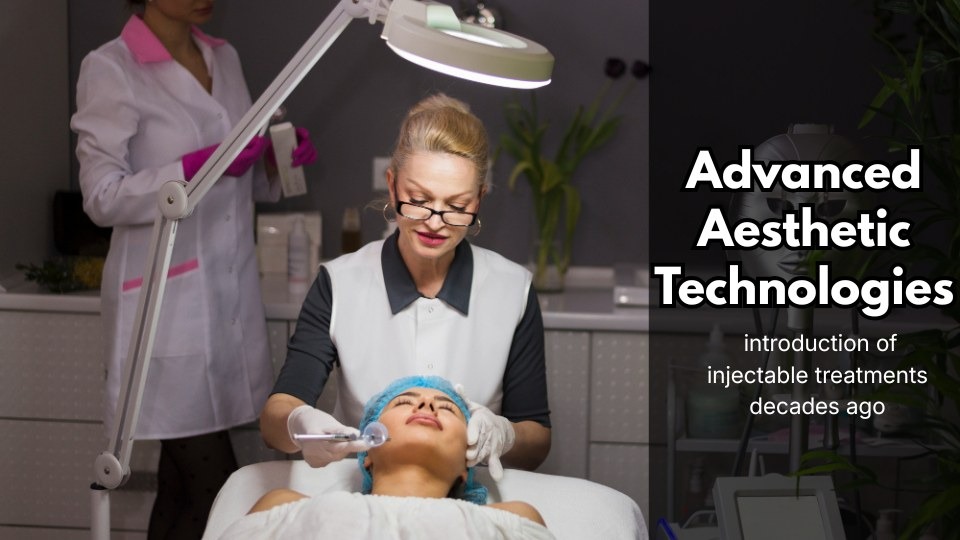
Understanding the Science Behind Advanced Aesthetic Technologies
Advanced aesthetic technologies encompass sophisticated medical devices, computational diagnostic systems, and biotechnology formulations designed to enhance appearance through scientifically validated methodologies. These innovations range from energy based devices stimulating collagen production to algorithmic platforms analyzing skin conditions with unprecedented precision.
The global aesthetic medicine market currently exceeds 65 billion dollars with projections indicating continued double digit growth through 2030. This remarkable expansion reflects increasing consumer confidence in non surgical rejuvenation techniques delivering results rivaling traditional surgical interventions without associated downtime or risks significantly.
Core Components Driving Innovation Forward
Contemporary cosmetic medicine integrates multiple technological layers functioning synergistically for optimal outcomes. AI skin analysis systems utilize machine learning algorithms processing thousands of facial images to identify concerns invisible to human observation. These diagnostic capabilities enable personalized cosmetic treatment protocols addressing individual patient needs precisely.
Laser skin resurfacing innovations continue advancing through fractional delivery systems targeting microscopic tissue columns while preserving surrounding areas. This approach accelerates healing while maximizing collagen remodeling stimulation. Energy based devices now offer customizable parameters matching specific skin types and concerns accurately.
Historical Evolution From Basic Procedures to Precision Medicine
Cosmetic enhancement practices existed throughout human history, though scientific approaches emerged relatively recently. Early twentieth century procedures relied primarily on surgical techniques with extended recovery periods and significant complication risks limiting accessibility substantially.
Advanced aesthetic technologies began transforming practice during the 1990s when laser devices demonstrated safe skin resurfacing capabilities. Initial systems produced dramatic results but required weeks of healing, restricting adoption to patients accepting considerable downtime commitments.
The Non Invasive Revolution Transforms Patient Expectations
Non surgical rejuvenation techniques gained momentum following injectable neurotoxin and filler approvals during the early 2000s. These minimally invasive options attracted patients previously avoiding surgical interventions due to fear, cost, or recovery concerns. Market expansion accelerated dramatically as word spread regarding achievable results.
Radiofrequency and ultrasound devices introduced tissue tightening capabilities without incisions subsequently. These modalities stimulate deep collagen production through controlled thermal injury triggering regenerative responses naturally. Regenerative aesthetic medicine principles underpin these approaches, harnessing biological healing mechanisms for cosmetic benefit.
Why Personalized Approaches Matter for Optimal Outcomes
Advanced aesthetic technologies enable treatment customization previously impossible through standardized protocols. Individual variation in skin thickness, pigmentation, healing capacity, and aging patterns demands personalized strategies maximizing results while minimizing complications.
AI skin analysis systems transform initial consultations through comprehensive facial mapping identifying concerns requiring attention. These platforms detect sun damage, vascular irregularities, textural abnormalities, and volume loss patterns enabling targeted treatment planning objectively.
The Limitations of One Size Fits All Approaches
Traditional cosmetic medicine applied similar protocols across diverse patient populations with variable outcomes. Some individuals achieved excellent results while others experienced suboptimal improvement or complications due to unsuitable treatment selection.
- Skin type variations significantly impact laser parameter requirements with darker complexions requiring modified settings preventing pigmentation complications
- Age related changes differ substantially between individuals based on genetics, lifestyle factors, and cumulative sun exposure history
- Healing capacity varies according to underlying health conditions, medications, and nutritional status affecting treatment recovery timelines
- Patient expectations require alignment with realistically achievable outcomes preventing dissatisfaction despite technically successful procedures
- Combination approaches frequently outperform single modality treatments requiring customized sequencing for optimal synergistic benefits
Benefits Transforming Patient Experiences Dramatically
Advanced aesthetic technologies deliver remarkable advantages spanning treatment efficacy, safety profiles, recovery timelines, and result longevity simultaneously. These benefits compound as practitioners develop expertise optimizing device parameters for individual patient characteristics.
Non surgical rejuvenation techniques now achieve results approaching surgical outcomes for appropriate candidates. Patients avoiding facelifts due to fear or downtime concerns access meaningful improvement through energy based tightening devices and volumizing injectables combined strategically.
Precision and Safety Improvements
Laser skin resurfacing innovations incorporate real time monitoring systems adjusting energy delivery based on tissue response feedback. This capability prevents over treatment complications while ensuring adequate stimulation for desired collagen remodeling responses consistently.
Personalized cosmetic treatment protocols reduce adverse event incidence through appropriate patient selection and parameter customization. Board certified practitioners utilizing advanced diagnostic tools identify contraindications before treatment initiation, preventing complications through informed decision making proactively.
Challenges Requiring Careful Navigation
Despite transformative benefits, advanced aesthetic technologies present legitimate concerns demanding thoughtful consideration. Cost barriers restrict access primarily to affluent demographics, raising equity questions regarding beauty standard attainability across socioeconomic populations.
Practitioner training variability creates safety concerns as devices become increasingly powerful. Inadequately trained operators risk causing permanent damage through improper technique or inappropriate patient selection decisions.

Regulatory and Ethical Considerations
Regenerative aesthetic medicine practices sometimes outpace regulatory framework development, creating uncertainty regarding treatment safety and efficacy claims. Patients struggle evaluating marketing assertions without scientific literacy enabling critical assessment independently.
- Direct to consumer marketing sometimes exaggerates realistic outcome expectations creating patient dissatisfaction despite successful treatments
- Unregulated practitioners offer services without appropriate credentials or training, risking patient safety significantly
- AI skin analysis systems require validation ensuring diagnostic accuracy before clinical implementation broadly
- Long term safety data remains limited for newer technologies requiring ongoing surveillance monitoring
- Psychological screening importance grows as treatment accessibility increases, identifying patients with unrealistic expectations or underlying conditions
Real World Applications Demonstrating Transformative Results
Advanced aesthetic technologies manifest through numerous groundbreaking implementations in leading cosmetic practices worldwide. Combination protocols integrating multiple modalities achieve comprehensive rejuvenation addressing skin quality, volume loss, and tissue laxity simultaneously.
Morpheus8 radiofrequency microneedling devices deliver fractional energy through insulated needles, remodeling deep tissue while resurfacing superficial layers concurrently. This dual action approach produces significant tightening and textural improvement through single treatment sessions efficiently.
Personalized cosmetic treatment protocols utilizing AI skin analysis systems demonstrate superior outcomes compared to standardized approaches in clinical studies. Patients receiving customized regimens report higher satisfaction rates and fewer complications than those treated through conventional assessment methods.
Advanced aesthetic technologies will continue evolving as artificial intelligence capabilities expand and biotechnology innovations mature. Practitioners embracing evidence based approaches while maintaining patient safety focus position themselves advantageously within this transformative medical specialty.
Conclusion:
The transformative power of advanced aesthetic technologies continues revolutionizing how individuals achieve their cosmetic goals through scientifically validated approaches. Throughout this guide, we explored non surgical rejuvenation techniques fundamentals, examined AI skin analysis systems capabilities, and highlighted laser skin resurfacing innovations delivering remarkable outcomes safely.
From regenerative aesthetic medicine principles to personalized cosmetic treatment protocols, these innovations democratize access to results previously requiring invasive surgery exclusively. While challenges including cost barriers and training variability demand attention, evidence based implementation ensures optimal patient experiences.
As advanced aesthetic technologies evolve rapidly, consulting board certified practitioners ensure safe, effective, personalized rejuvenation journeys. Your scientifically enhanced beauty transformation awaits.