The way we produce, process, and consume food is undergoing a revolutionary transformation through advanced food technologies that promise to reshape our dining tables forever. From lab-grown meat cultivated without traditional farming to AI-powered systems optimizing crop yields, these innovations are addressing critical challenges like food security, sustainability, and nutrition. As the global population approaches 10 billion by 2050, precision agriculture and novel processing methods are becoming essential tools in our quest to feed the world efficiently.
This article explores the cutting-edge developments revolutionizing the food industry, including cellular agriculture, smart packaging solutions, and personalized nutrition platforms that tailor diets to individual genetic profiles. We’ll examine how these breakthroughs are not only changing what appears on our plates but also transforming the entire journey from farm to fork.
Understanding Modern Food Innovation
The foundation of advanced food technologies lies in applying scientific breakthroughs to solve age-old challenges in food production and distribution. These innovations encompass everything from biotechnology applications in agriculture to sophisticated processing techniques that extend shelf life while preserving nutritional value. Today’s food tech landscape represents a convergence of multiple disciplines including molecular biology, artificial intelligence, and materials science, all working together to create safer, more sustainable, and nutritious food options.
The journey began in the mid-20th century with the Green Revolution, which introduced high-yielding crop varieties and modern farming techniques. However, today’s food innovation systems go far beyond traditional breeding methods, incorporating genetic engineering, nanotechnology, and digital solutions that would have seemed like science fiction just decades ago.
Revolutionary Production Methods
Cellular Agriculture and Alternative Proteins
One of the most groundbreaking developments in advanced food technologies is cellular agriculture, where animal products are grown directly from cells without raising livestock. Companies are now producing:
- Real meat from animal cells cultured in bioreactors
- Dairy proteins created through precision fermentation
- Plant-based alternatives that closely mimic traditional animal products
- Insect-based proteins offering sustainable nutrition sources
These alternative protein sources address environmental concerns while meeting growing global protein demands. The technology reduces land use by up to 95% and water consumption by 96% compared to conventional animal farming.
Vertical Farming and Controlled Environment Agriculture
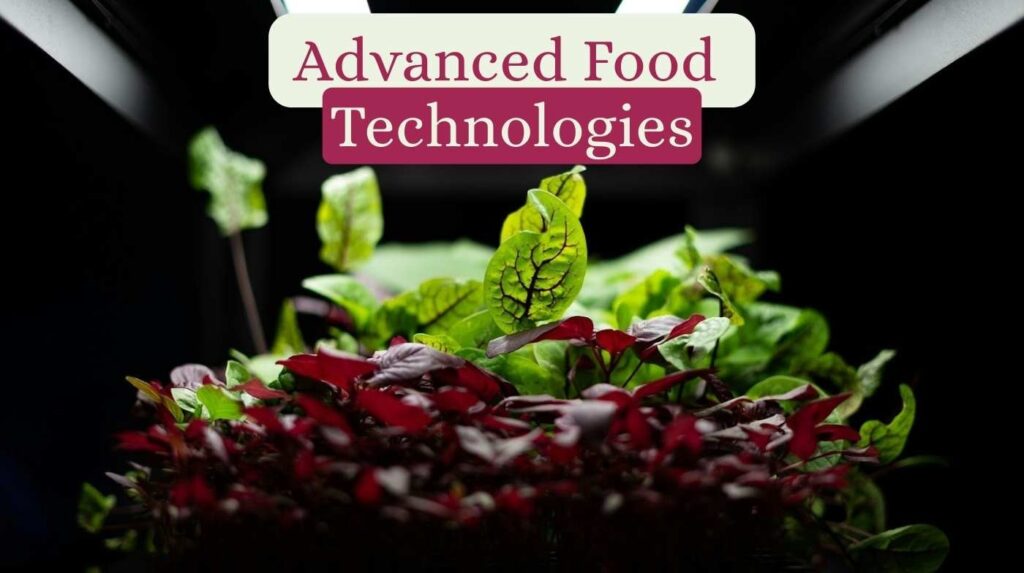
Smart farming solutions are revolutionizing crop production through vertical farms that stack growing layers in climate-controlled facilities. These systems utilize:
- LED lighting optimized for photosynthesis
- Hydroponic and aeroponic growing methods
- AI-powered monitoring systems for optimal growth conditions
- Automated harvesting and packaging systems
This approach to sustainable food production yields up to 390 times more produce per square foot than traditional farming while using 95% less water.
Processing and Preservation Breakthroughs
High-Pressure Processing (HPP)
Food preservation methods have evolved significantly with HPP technology, which uses extreme pressure instead of heat to eliminate harmful bacteria. This technique maintains the fresh taste, texture, and nutritional content of foods while extending shelf life by weeks or even months. Products treated with HPP retain more vitamins, minerals, and bioactive compounds compared to traditional thermal processing.
3D Food Printing
The emergence of 3D printing in food represents another frontier in advanced food technologies. This innovation enables:
- Customized nutrition based on individual dietary needs
- Complex food structures impossible with traditional methods
- Reduced food waste through precise portion control
- Enhanced presentation for special dietary requirements
Restaurants and food manufacturers are already using this technology to create intricate chocolate designs, personalized pasta shapes, and even plant-based meat alternatives with realistic textures.
Smart Packaging and Distribution
Intelligent Packaging Systems
Edible packaging materials and smart sensors are transforming how we store and transport food. These innovations include:
- Biodegradable films made from seaweed or milk proteins
- Time-temperature indicators showing product freshness
- Antimicrobial coatings that prevent spoilage
- QR codes linking to detailed product information and recipes
These packaging innovations significantly reduce plastic waste while improving food safety and consumer engagement.
Blockchain in Food Supply Chain
Digital transformation in food extends to blockchain technology, ensuring transparency and traceability from farm to consumer. This system allows instant tracking of contamination sources, reduces fraud, and builds consumer trust through verified product origins and handling procedures.
Personalized Nutrition Technologies
AI-Driven Dietary Planning
Nutrigenomics combines genetic testing with artificial intelligence to create personalized nutrition plans. These advanced food technologies analyze individual genetic markers, gut microbiome composition, and lifestyle factors to recommend optimal diets for health and performance. Mobile apps now offer:
- Real-time nutritional analysis through image recognition
- Personalized meal planning based on health goals
- Integration with wearable devices for comprehensive health tracking
- Automated grocery lists matching dietary requirements
Functional Foods and Biofortification
Scientists are developing enhanced food products with increased nutritional value through biofortification. Golden rice enriched with Vitamin A, omega-3 enhanced eggs, and probiotic-infused beverages exemplify how food engineering techniques create products that actively promote health beyond basic nutrition.
Future Implications and Challenges
While these advanced food technologies offer tremendous potential, challenges remain in scaling production, ensuring regulatory compliance, and gaining consumer acceptance. Cost barriers currently limit accessibility, though prices continue to decline as technologies mature. Cultural preferences and safety concerns also influence adoption rates across different regions.
The integration of these innovations promises a future where food is more sustainable, nutritious, and accessible, fundamentally transforming how humanity addresses food security and environmental challenges.
Conclusion
Advanced food technologies are reshaping our global food system, offering sustainable solutions to feed a growing population while protecting our planet. From cellular agriculture and vertical farming to personalized nutrition and smart packaging, these innovations promise healthier, more accessible food options for everyone. As these advanced food technologies continue evolving alongside biotechnology applications, they’ll play a crucial role in addressing climate change, food security, and public health challenges. Stay informed about these transformative developments that will define tomorrow’s meals, and consider how these innovations might enhance your own approach to nutrition and sustainability in daily life.