Discovering the best antioxidant food for skin radiance goes far beyond picking colorful fruits from a grocery shelf. True oxidative stress reversal requires understanding exactly which polyphenol compounds, carotenoid concentrations, and flavonoid rich sources penetrate the dermal layers with enough bioavailable potency to neutralize free radical damage at the cellular level where aging and dullness actually originate.
This article presents a clinically informed analysis of the best antioxidant food for skin restoration built on peer reviewed dermatological research rather than superficial wellness trends. You will learn how specific phytonutrient dense ingredients activate enzymatic antioxidant pathways, repair photoaged skin cells, and create an internal defense shield against environmental oxidative assault.
We will explore how the best antioxidant food for skin health delivers measurable improvements through free radical scavenging mechanisms, collagen preservation support, and melanin regulation processes that dermatologists now recognize as essential for lasting complexion luminosity. Whether you battle premature aging, sun damage, chronic inflammation, or persistent dullness, understanding which qualifies as the best antioxidant food for skin transformation provides a molecular level advantage that no topical serum can deliver independently regardless of its price tag or marketing promises
How Oxidative Stress Works and Why It Affects Your Skin Directly
Oxidative stress occurs when the concentration of free radicals in your body exceeds the capacity of your natural antioxidant defense systems to neutralize them. These unstable molecules attack healthy skin cells, degrading collagen fibers, disrupting melanin production, and accelerating the visible signs of aging far beyond what chronological time alone would produce. Identifying the best antioxidant food for skin protection is essential because dietary antioxidants serve as your primary internal defense against this relentless molecular assault that topical products can only partially address from the outside.
Free radicals are generated through normal metabolic processes but are dramatically amplified by environmental factors including ultraviolet radiation, air pollution, cigarette smoke, and psychological stress. Every moment of every day your skin cells face oxidative challenges that require continuous replenishment of free radical scavenging compounds through deliberate nutritional choices. Without adequate dietary antioxidant intake, cellular damage accumulates progressively, manifesting as wrinkles, dark spots, sagging, and the dull lifeless appearance that characterizes prematurely aged skin.
How Antioxidants Protect Skin at the Molecular Level
Antioxidants function by donating electrons to unstable free radical molecules, effectively neutralizing their reactivity before they can damage cellular structures. Different antioxidant compounds operate through distinct mechanisms and target different types of free radicals. Polyphenol compounds intercept reactive oxygen species in aqueous cellular environments. Carotenoid concentrations quench singlet oxygen generated specifically by ultraviolet exposure. Flavonoid rich sources modulate inflammatory signaling cascades that amplify oxidative damage beyond the initial free radical event. The best antioxidant food for skin delivers multiple classes of these protective compounds simultaneously, creating a layered defense system that addresses oxidative threats from every biochemical angle.
Historical Perspective on Best Antioxidant Food For Skin Dietary Traditions
Ancient civilizations intuitively consumed diets remarkably high in antioxidant compounds long before science identified free radicals or measured oxidative stress markers. Traditional Okinawan cuisine, famous for producing some of the longest lived and most youthful looking populations on earth, centered around sweet potatoes rich in beta carotene, green tea delivering concentrated catechins, and colorful vegetables providing diverse flavonoid rich sources that modern researchers now recognize as profoundly photoprotective.
Mediterranean populations consuming diets abundant in olive oil polyphenols, tomato lycopene, and citrus flavonoids consistently exhibited slower rates of visible skin aging compared to populations consuming processed Western diets deficient in these protective compounds. These ancestral eating patterns provide historical evidence supporting the clinical importance of identifying the best antioxidant food for skin longevity.
Scientific Breakthroughs in Dermatological Nutrition Research
The past two decades have produced breakthrough research directly linking specific dietary antioxidants to measurable skin health outcomes. Clinical trials demonstrated that participants consuming high concentrations of lycopene experienced significantly greater protection against ultraviolet induced erythema compared to control groups. Studies on polyphenol compounds from green tea revealed measurable improvements in skin elasticity and hydration following consistent daily consumption. These findings transformed the best antioxidant food for skin from a wellness concept into an evidence based clinical intervention supported by rigorous peer reviewed methodology.
Why Choosing the Right Antioxidant Food Matters for Lasting Radiance
Not all antioxidant containing foods deliver equal benefit to skin cells. The critical factor determining effectiveness is bioavailability, meaning how efficiently your body absorbs and delivers specific compounds to the dermal layer where they are needed most. A food may contain impressive antioxidant concentrations in laboratory analysis yet provide minimal skin benefit if those compounds are poorly absorbed through the digestive tract or rapidly metabolized before reaching target tissues.
Transformative Benefits of Targeted Antioxidant Nutrition
Individuals who strategically consume the best antioxidant food for skin restoration through bioavailability optimized dietary protocols experience specific measurable improvements that distinguish this approach from random healthy eating.
- Enhanced photoprotection from sustained carotenoid concentrations creates an internal sunscreen effect that supplements external sunblock, reducing ultraviolet induced DNA damage within skin cells that drives both premature aging and hyperpigmentation development over cumulative exposure periods.
- Accelerated collagen preservation through polyphenol compounds inhibits matrix metalloproteinase enzymes that break down existing collagen fibers, maintaining skin firmness and structural integrity significantly longer than diets lacking concentrated antioxidant support.
- Visible brightening and even tone restoration from consistent flavonoid rich sources regulates tyrosinase enzyme activity responsible for excess melanin production, gradually reducing dark spots and creating a more uniform luminous complexion over successive skin cell turnover cycles.
- Reduced chronic inflammation through enzymatic antioxidant pathway activation calms the persistent low grade inflammatory state that dermatologists now identify as a primary driver of acne, rosacea, and accelerated aging across all skin types.
- Strengthened skin barrier function from diverse phytonutrient dense dietary intake supports ceramide production and lipid layer integrity, preventing moisture loss and environmental irritant penetration that compromise skin clarity and resilience against daily oxidative challenges.
These outcomes demonstrate why selecting the best antioxidant food for skin health based on bioavailability and compound diversity delivers superior results compared to relying on any single antioxidant source alone.
Challenges in Implementing Antioxidant Focused Skin Nutrition
Despite the compelling scientific evidence, several practical obstacles complicate the pursuit of optimal antioxidant intake for skin health. Acknowledging these challenges honestly helps establish realistic expectations and sustainable dietary strategies.
Bioavailability Barriers and Absorption Limitations
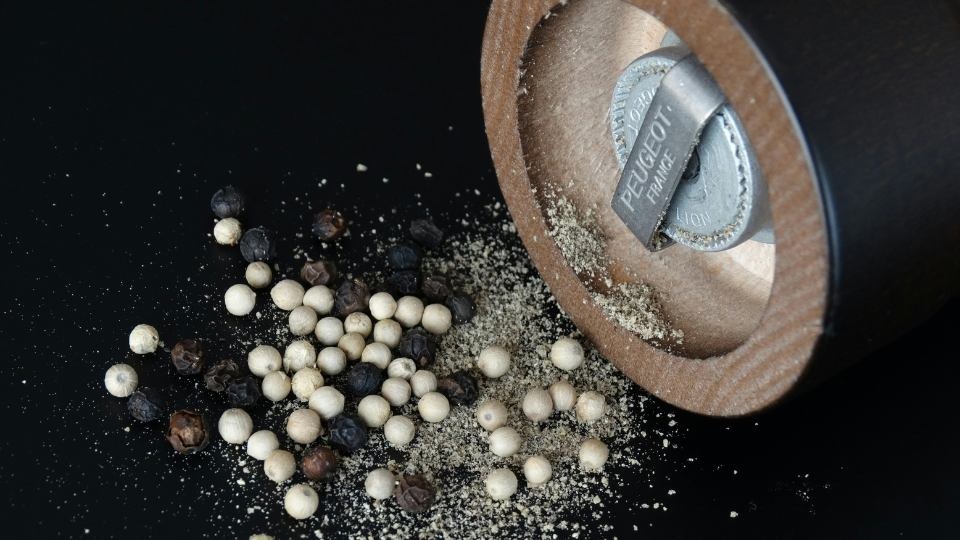
Many potent antioxidant compounds have naturally low absorption rates in the human digestive system. Curcumin from turmeric, resveratrol from grapes, and certain polyphenol compounds from berries undergo rapid metabolism in the liver before reaching skin cells in meaningful concentrations. Overcoming these barriers requires strategic food pairing knowledge. Combining curcumin with black pepper piperine increases absorption dramatically. Consuming carotenoid concentrations alongside dietary fats enhances their uptake significantly. Understanding these bioavailability optimization techniques is essential for anyone seeking the best antioxidant food for skin benefits rather than simply consuming antioxidant containing foods without considering absorption efficiency.
Overconsumption Risks and Antioxidant Imbalance
While antioxidants are protective at appropriate levels, excessive supplementation can paradoxically increase oxidative stress through a phenomenon called prooxidant activity. High dose isolated antioxidant supplements bypass the natural regulatory mechanisms that whole food sources maintain. This is precisely why dermatologists recommend obtaining antioxidants through the best antioxidant food for skin rather than relying heavily on concentrated supplement capsules that deliver unnaturally high doses of individual compounds without the synergistic cofactors present in whole food matrices.
Top Performing Antioxidant Foods Ranked by Skin Impact
Clinical evidence consistently identifies specific foods that outperform others in delivering measurable skin protection and radiance restoration. Wild blueberries contain among the highest concentrations of anthocyanins found in any commonly available food, making them exceptional free radical scavenging compounds for daily consumption. Their polyphenol compounds penetrate skin cells efficiently and provide sustained antioxidant activity over extended periods following ingestion.
Dark chocolate with high cacao content delivers concentrated flavanol compounds that improve skin hydration, thickness, and blood flow to dermal layers. Tomatoes provide lycopene in highly bioavailable form especially when cooked with olive oil, creating one of the most effective photoprotective food combinations available. Green tea remains among the best antioxidant food for skin due to its unique catechin profile that simultaneously reduces inflammation, protects collagen, and inhibits enzymes responsible for skin degradation.
Building a Complete Antioxidant Defense Through Food Diversity
The most effective approach combines multiple antioxidant food sources rather than relying on a single ingredient. Each class of antioxidant targets different free radical species and operates through distinct protective mechanisms. Carotenoid concentrations from orange and red vegetables quench singlet oxygen. Flavonoid rich sources from berries and citrus neutralize hydroxyl radicals. Polyphenol compounds from tea and dark chocolate inhibit lipid peroxidation. Consuming the best antioxidant food for skin across all these categories creates a comprehensive molecular defense network that addresses every dimension of oxidative skin damage simultaneously, delivering radiance restoration results that isolated single source approaches simply cannot achieve regardless of the quantity consumed.
Conclusion
Radiant, youthful skin is fundamentally built through the antioxidant compounds your body absorbs from deliberate dietary choices rather than what you apply to the surface alone. The best antioxidant food for skin restoration works at the molecular level, neutralizing free radical damage, preserving collagen integrity, and restoring the luminous complexion that oxidative stress progressively diminishes over time.
From polyphenol compounds in wild blueberries and green tea to carotenoid concentrations in tomatoes and sweet potatoes, each antioxidant class targets specific dimensions of skin damage through distinct protective mechanisms. The key to lasting results lies in consuming diverse flavonoid rich sources alongside bioavailability optimizing food combinations rather than relying on isolated supplements or single ingredient approaches.
While absorption barriers and overconsumption risks present real challenges, strategic food pairing and whole food prioritization overcome these obstacles effectively. Committing to the best antioxidant food for skin through consistent phytonutrient dense dietary patterns creates a comprehensive internal defense system that delivers cumulative radiance restoration no topical product can independently replicate.