The future of food is being rewritten in laboratories as biotech foods revolutionize our dining tables through cutting-edge scientific innovations. From genetically modified crops that resist pests to lab-grown meat that never required a farm, biotechnology is fundamentally changing how we produce, consume, and think about food. This transformation extends far beyond simple genetic modifications today’s food biotechnology encompasses everything from enhancing nutritional content to creating entirely new protein sources that could feed billions while reducing environmental impact. As global populations soar and climate challenges intensify, biotech foods offer promising solutions to age-old problems of hunger, nutrition, and sustainable agriculture.
This article explores how these scientific breakthroughs are reshaping our food systems, examining both the remarkable benefits and important considerations surrounding this technological revolution in what we eat.
What Are Biotech Foods?
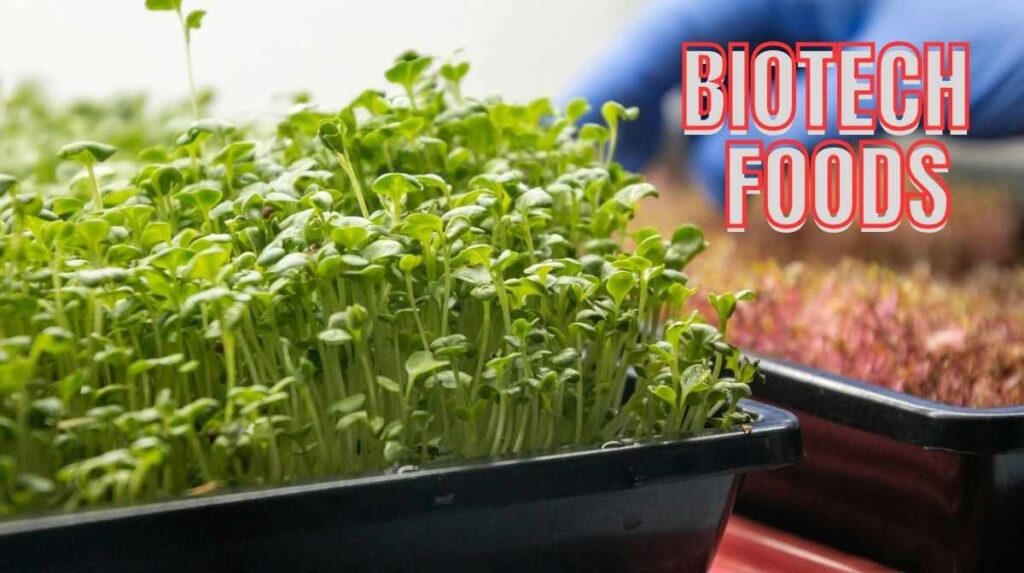
Biotechnology in food production refers to the use of scientific techniques to modify living organisms, creating foods with enhanced characteristics. These innovations range from simple selective breeding techniques to complex genetic engineering processes. Modern biotech foods include crops with improved resistance to diseases, fruits with extended shelf life, and even entirely new food products created at the cellular level.
The distinction between traditional and modern biotechnology is crucial. While farmers have been selecting better crops for thousands of years, today’s molecular biotechnology allows scientists to make precise changes at the genetic level, transferring beneficial traits between species that would never naturally crossbreed.
The Evolution of Food Biotechnology
Early Developments
The journey of agricultural biotechnology began millennia ago with basic fermentation processes used to create bread, cheese, and beer. Ancient civilizations unknowingly employed microorganisms to transform raw ingredients into preserved, nutritious foods. The 1970s marked a revolutionary shift when scientists first successfully transferred genes between organisms, opening doors to modern genetic engineering.
Modern Breakthroughs
The 1990s witnessed the commercial introduction of GM crops, starting with the Flavr Savr tomato. Since then, biotechnology has accelerated rapidly:
- Development of golden rice enriched with vitamin A
- Creation of drought-resistant wheat varieties
- Introduction of pest-resistant cotton and corn
- Emergence of cellular agriculture producing meat without animals
Key Benefits of Biotechnology in Food
Enhanced Nutritional Value
Biofortification represents one of biotechnology’s greatest achievements in combating malnutrition. Scientists have developed crops with increased vitamins, minerals, and essential nutrients. For instance, nutrient-enriched foods like vitamin A-fortified sweet potatoes help address deficiency diseases in developing nations. These innovations provide:
- Higher protein content in staple grains
- Increased omega-3 fatty acids in plants
- Enhanced mineral absorption capabilities
- Reduced antinutrients that block nutrient uptake
Environmental Sustainability
Biotech foods contribute significantly to sustainable food systems by reducing agriculture’s environmental footprint. Precision agriculture combined with biotechnology enables:
- Decreased pesticide usage through pest-resistant varieties
- Reduced water consumption with drought-tolerant crops
- Lower greenhouse gas emissions from optimized farming
- Minimized soil erosion through no-till farming practices
Increased Food Security
With global population expected to reach 10 billion by 2050, food security solutions become critical. Biotechnology addresses this challenge through:
- Higher crop yields per acre
- Extended growing seasons
- Resistance to climate change impacts
- Reduced post-harvest losses
Current Applications and Examples
Plant-Based Innovations
biotech foods and Plant biotechnology has produced remarkable successes. Bt cotton now dominates global cotton production, reducing insecticide use by 37% while increasing yields by 22%. Similarly, disease-resistant crops save billions annually in potential losses. Virus-resistant papaya saved Hawaii’s papaya industry from complete collapse, demonstrating biotechnology’s economic importance.
Alternative Proteins
The alternative protein market represents biotechnology’s newest frontier. Companies now produce:
- Lab-grown meat from animal cells without slaughter
- Protein-rich microalgae for human consumption
- Insect-based proteins using optimized breeding
- Fermentation-derived dairy proteins without cows
Breakthrough Products
Several innovative food products have already reached consumers:
- Impossible Burger using genetically engineered yeast
- Perfect Day’s animal-free dairy proteins
- AquAdvantage salmon growing twice as fast
- Arctic apples that don’t brown when cut
Challenges and Considerations
Regulatory Frameworks
biotech Foods safety regulations vary globally, creating complex approval processes. Different countries maintain distinct standards for GMO labeling and testing requirements. This regulatory patchwork affects:
- International trade agreements
- Consumer access to innovations
- Research and development investments
- Market entry timelines
Public Perception
Despite scientific consensus on safety, consumer acceptance remains mixed. Concerns often center on:
- Long-term health effects
- Environmental impacts
- Corporate control over food supply
- Ethical considerations about genetic modification
Technical Limitations
Current biotechnology applications face several constraints:
- High development costs limiting accessibility
- Complex traits requiring multiple genetic modifications
- Unintended consequences in ecosystems
- Limited understanding of some genetic interactions
The Future of Food Technology
Emerging Trends
Future food innovations promise even more transformative changes. Scientists are developing:
- Personalized nutrition based on individual genetics
- Climate-adaptive crops responding to environmental changes
- Bioprinted foods with customized nutrients
- Vertical farming systems using optimized varieties
Integration with Technology
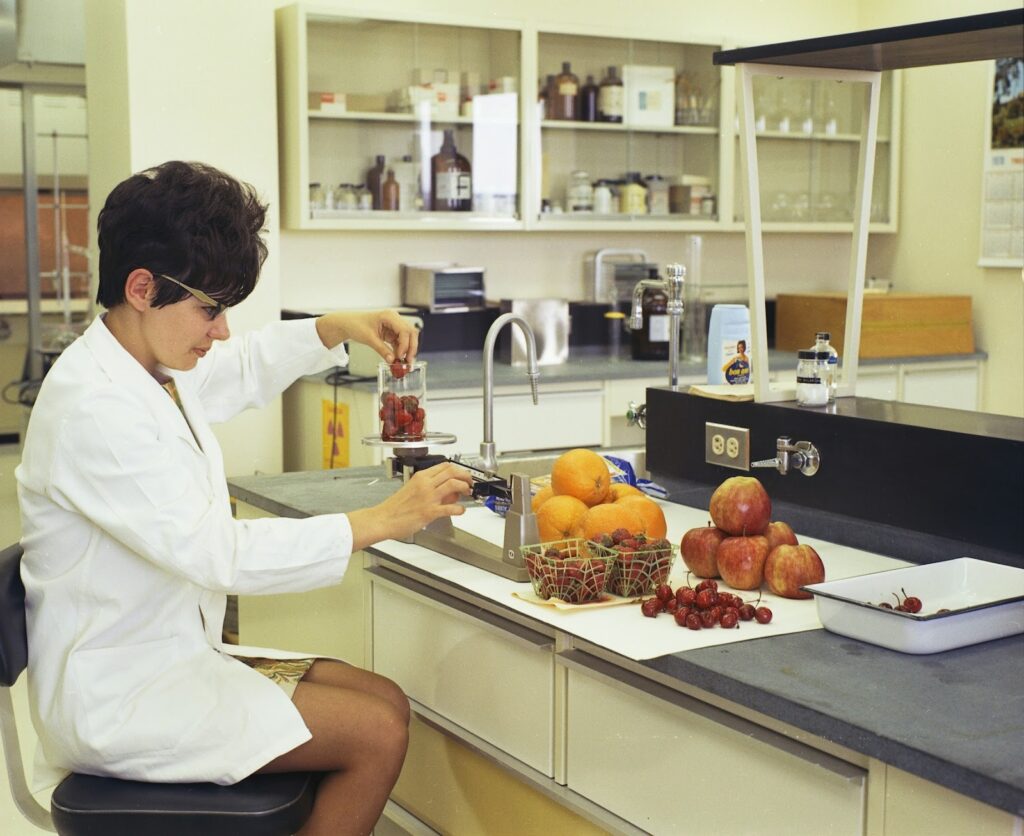
Smart agriculture combines biotechnology with artificial intelligence, creating unprecedented opportunities for crop improvement and resource optimization. These integrated approaches enable real-time monitoring and adjustment of growing conditions, maximizing both yield and quality while minimizing environmental impact.
Conclusion
Biotech foods represent a pivotal transformation in our global food system, offering solutions to pressing challenges of nutrition, sustainability, and food security. From enhanced genetically modified crops to revolutionary alternative proteins, biotechnology continues reshaping how we produce and consume food. While concerns about regulation and public acceptance persist, the potential benefits for human health and environmental sustainability are undeniable. As biotech foods evolve with emerging technologies, staying informed about these innovations becomes essential. Understanding these developments empowers us to make educated choices about the future of our food supply and participate in shaping tomorrow’s sustainable food landscape.