Breathing exercises for mental health have become one of the most powerful tools for managing everyday stress and emotional struggles. In a world filled with constant pressure, anxiety, and overwhelming responsibilities, taking control of your breath can make a significant difference in how you feel mentally and physically.
These simple yet effective stress relief techniques require no special equipment, cost nothing, and can be practiced anywhere at any time. Whether you’re dealing with work-related tension, anxiety management challenges, or simply seeking greater emotional balance, intentional breathing offers immediate and long-term benefits.
This article explores why controlled breathing has gained attention from health experts worldwide, the science behind its effectiveness, and practical relaxation methods you can start using today. By the end, you’ll understand how a few mindful breaths can transform your overall mental wellness and daily quality of life.
Understanding the Breathing Exercises for Mental Health
Breathing exercises for mental health refer to intentional techniques that involve controlling the rhythm, depth, and pace of your breath to promote relaxation and emotional stability. Unlike automatic breathing, these practices require conscious effort and focus.
The connection between breath and emotional state has been recognized for thousands of years. Ancient practices like yoga and meditation from India and China emphasized breath control as a foundation for mental clarity. Today, modern science confirms what ancient traditions knew all along.
How Breathing Affects Your Nervous System
When you feel stressed or anxious, your body activates the sympathetic nervous system, triggering the fight or flight response. Your heartbeat speeds up, muscles tighten, and breaths turn quick and shallow.
Deep breathing techniques activate the parasympathetic nervous system, which signals your body to relax. This change decreases cortisol production, slows down your heartbeat, and brings a feeling of relaxation. The beauty of breathing exercises for mental health lies in their ability to create this shift within minutes.
Why These Techniques Matter in Modern Life
The Growing Mental Health Crisis
Statistics show that anxiety and depression rates have increased dramatically worldwide. The demands of modern living, including technology overload and social pressures, have created an environment where emotional wellness is constantly challenged.
Breathing exercises for mental health offer an accessible solution that anyone can use regardless of age, location, or financial situation. They serve as a bridge between feeling overwhelmed and regaining control.
Benefits You Can Experience
Practicing mindful breathing regularly provides numerous advantages for both mind and body.
- Reduced anxiety and stress levels through activation of relaxation responses
- Improved focus and concentration by increasing oxygen flow to the brain
- Better sleep quality when practiced before bedtime
- Lower blood pressure and improved cardiovascular health
- Enhanced emotional regulation during challenging situations
- Increased self awareness and connection with your body
These benefits make breathing exercises for mental health a valuable addition to any self care routine.
Popular Techniques You Can Try Today
The 4 7 8 Breathing Method
This technique, developed by Dr. Andrew Weil, is excellent for anxiety relief and promoting sleep. Here is how to practice it.
Inhale quietly through your nose for 4 seconds. Hold your breath for 7 seconds. Release your breath fully through your mouth over 8 seconds. Repeat this cycle three to four times.
Box Breathing for Stress Management
Box breathing is a favorite among athletes and military personnel for maintaining calm under pressure. It involves four equal parts.
- Inhale for 4 seconds
- Hold for 4 seconds
- Exhale for 4 seconds
- Hold empty lungs for 4 seconds
This relaxation technique creates a balanced rhythm that grounds your mind and body quickly.
Diaphragmatic Breathing
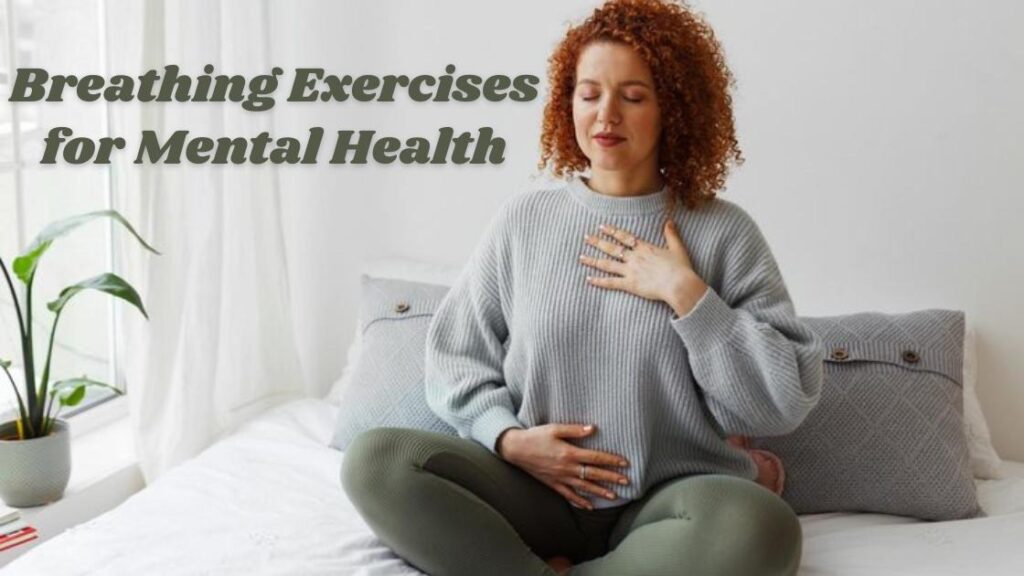
Also known as belly breathing, this method engages your diaphragm fully. Rest one palm on your chest while positioning the other on your belly. Breathe deeply so that only your stomach rises while your chest remains still. This approach maximizes oxygen intake and promotes natural stress relief.
Challenges and How to Overcome Them
Finding Time in Busy Schedules
Many people struggle to incorporate breathing exercises for mental health into their daily routine. The solution is starting small. Even two to three minutes during your morning routine or lunch break can make a difference.
Staying Consistent
Building any new habit takes time and patience. Consider setting reminders on your phone or linking your breathing practice to existing habits like drinking your morning coffee.
Managing Expectations
Some individuals expect immediate transformation and feel disappointed when results take time. Remember that mental wellness practices work best with regular, consistent effort over weeks and months.
Making Breathing Exercises Part of Your Life
The key to success with breathing exercises for mental health is integration rather than addition. Instead of viewing them as another task, see them as moments of pause within your existing day.
Practice during your commute, before important meetings, or whenever you notice tension building. Over time, these calming techniques become second nature, providing you with a reliable tool for navigating life’s challenges with greater ease and emotional balance.
Conclusion
Breathing exercises for mental health provide a simple yet powerful way to manage stress, reduce anxiety, and improve overall emotional wellness. These techniques require no special tools or training, making them accessible to everyone regardless of their circumstances.
By understanding how controlled breathing affects your nervous system and practicing methods like the 4 7 8 technique or box breathing, you can build a reliable self care routine that supports your mind and body daily.
Start with just a few minutes each day and notice the positive changes in your mental wellness. Taking control of your breath means taking control of your life, and that journey begins with your very next inhale.