Understanding the difference between skincare and makeup goes far beyond surface-level application techniques. While most beauty enthusiasts focus on product aesthetics, the real distinction lies in how these formulations interact with your skin barrier function at a cellular level.
Skincare products contain active ingredients designed to penetrate the epidermis and deliver therapeutic benefits deep within dermal layers. Makeup, conversely, sits atop the skin’s surface, creating temporary visual enhancement without significant transdermal absorption.This comprehensive guide explores the cosmetic chemistry behind both categories, revealing how molecular weight determines ingredient penetration depth. You’ll discover why certain products transform your complexion while others merely decorate it.
Whether you’re building a science-backed routine or simply curious about what happens beneath the surface, this article decodes the biochemical mechanisms that separate treatment from coverage.
Understanding Difference Between Skincare and Makeup
The fundamental distinction begins with how ingredients interact with your biological tissue. Skincare formulations contain active compounds engineered to cross the stratum corneum and reach deeper cellular structures. These products work through transdermal delivery systems that facilitate ingredient absorption into the epidermis and dermis layers where real transformation occurs.
Modern dermatological research confirms that effective skincare relies on molecular weight considerations. Ingredients weighing less than 500 Daltons can penetrate effectively, while larger molecules remain on the surface without accessing deeper tissue. The difference between skincare and makeup becomes evident when examining product purposes. Skincare addresses biological concerns including hydration maintenance, collagen stimulation, and cellular turnover regulation through bioactive compounds.
How Makeup Functions on Your Skin Surface
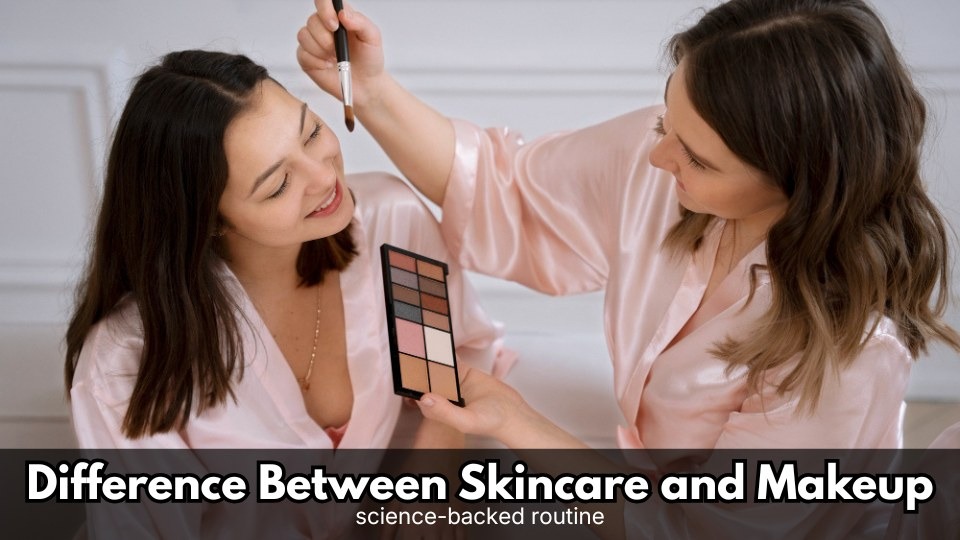
Cosmetic products operate through an entirely separate mechanism compared to treatment formulations. Makeup creates a temporary film layer that sits atop your protective barrier without penetrating into deeper tissue structures. This surface application provides immediate visual enhancement without altering cellular function or triggering biological responses.
The cosmetic chemistry behind makeup involves pigments, binders, and film forming agents that adhere to the outermost skin layer. These ingredients are intentionally formulated with larger molecular structures that prevent absorption into living tissue. Understanding the difference between skincare and makeup requires recognizing their contrasting interaction patterns. Cosmetics work through optical principles including light reflection and pigment deposition to create visual effects.
The Science Behind Skin Barrier Protection
Your stratum corneum functions as a sophisticated gatekeeper controlling what enters your body through the epidermis. This outermost layer consists of corneocytes embedded within a lipid matrix resembling bricks and mortar architecture. Maintaining this protective structure remains essential for overall complexion health, resilience, and appearance.
The difference between skincare and makeup significantly impacts barrier integrity over time. Properly formulated treatment products strengthen this protective layer through ceramide replenishment and fatty acid restoration. These ingredients support the natural lipid matrix preventing moisture loss. Conversely, certain cosmetic formulations may compromise barrier function when worn continuously without adequate removal and proper cleansing.
Ingredient Penetration Depth Explained
Transdermal absorption follows predictable pathways based on molecular characteristics and formulation technology. Active ingredients utilize three primary routes including intercellular passage through lipid channels, transcellular movement through corneocytes, and appendageal delivery via hair follicles and sweat glands throughout your complexion.
The difference between skincare and makeup determines which pathway becomes relevant for each product category. Treatment serums and essences exploit these penetration routes to deliver therapeutic compounds where biological change occurs within dermal layers. Cosmetic products deliberately avoid these penetration mechanisms to ensure surface stability and consistent coverage throughout daily wear.
Benefits of Understanding Product Categories
Recognizing the difference between skincare and makeup enables smarter purchasing decisions and routine building. Consumers who understand these distinctions can allocate their budget toward products that address their specific concerns effectively without wasting money on inappropriate formulations.
The benefits of categorization knowledge include:
- Selecting appropriate products for desired outcomes whether treatment or coverage based on actual needs
- Building complementary routines that maximize both categories without interference or reduced efficacy
- Identifying marketing claims that misrepresent product capabilities and true functions
- Understanding proper application order for optimal ingredient delivery and absorption
- Recognizing when professional consultation becomes necessary for persistent concerns requiring medical intervention
Strategic layering based on penetration science maximizes results from both product types. Applying treatment products first allows active ingredients to absorb before cosmetic barriers form on the surface.
Common Misconceptions and Challenges
Many consumers struggle distinguishing between product categories due to hybrid formulations flooding the market today. Tinted moisturizers, BB creams, and cosmetics blur traditional boundaries between treatment and coverage products. These combination formulations create confusion about their primary function and realistic expected outcomes.
The difference between skincare and makeup becomes complicated when brands market cosmetics as treatment products. Foundation claiming skin benefits may contain beneficial ingredients but delivers them ineffectively due to formulation constraints and coverage requirements. Another challenge involves recognizing that expensive pricing does not guarantee penetration or efficacy for either category.
Building an Effective Combined Routine
Successful complexion management requires harmonizing both product categories based on scientific principles and individual needs. Morning routines should prioritize lightweight treatment products followed by sun protection before any cosmetic application begins. This sequence allows maximum active ingredient absorption before occlusive coverage creates barriers.
Evening protocols emphasize thorough makeup removal as the essential first step before treatment application. Double cleansing eliminates surface cosmetics and accumulated debris before applying treatment products to clean receptive tissue. Nighttime formulations containing retinoids and exfoliating acids can then penetrate effectively without cosmetic interference blocking absorption pathways.
Expert Recommendations for Optimal Results
Board certified dermatologists emphasize understanding product categories as foundational knowledge for complexion care. Professional guidance helps identify which concerns require treatment intervention versus cosmetic camouflage. This distinction prevents wasting resources on inappropriate product selections that cannot deliver expected outcomes.
Cosmetic chemists recommend examining ingredient lists to identify primary product functions accurately. Active ingredients appearing early in formulations indicate treatment priorities while pigments and polymers suggest coverage focus primarily. The difference between skincare and makeup ultimately determines your long term complexion trajectory and health. Treatment products create cumulative improvements through cellular modification while cosmetics provide immediate but temporary visual enhancement only.
Conclusion:
Mastering the difference between skincare and makeup transforms how you approach your daily beauty routine. Treatment products penetrate the stratum corneum to deliver active ingredients where cellular modification occurs, while cosmetics remain on the surface providing temporary visual enhancement. Understanding molecular penetration and skin barrier function empowers you to select formulations that genuinely address your concerns. By applying skincare before cosmetics and maintaining proper cleansing protocols, you maximize ingredient absorption and protect long term complexion health. This knowledge ensures every product in your routine serves its intended purpose effectively.