When anxiety strikes, free breathing exercises offer an immediate, accessible solution that requires nothing but your own breath. In our fast-paced world, millions struggle with stress and overwhelming thoughts, yet few realize that one of the most powerful anxiety relief techniques is already within them. Unlike expensive therapies or medications, these simple practices can be done anywhere at your desk, in your car, or before bed making them perfect for modern life’s unpredictable challenges.
This guide reveals scientifically-proven breathing techniques for stress that genuinely work, not trendy wellness fads that disappear tomorrow. You’ll discover exactly how controlled breathing affects your nervous system, why certain patterns calm your mind faster than others, and which methods top psychologists recommend for panic attacks, racing thoughts, and daily tension. Whether you’re new to mindfulness practices or seeking more effective tools, these evidence-based strategies will transform how you manage anxiety naturally.

Understanding How Breathing Affects Anxiety
Your breath and emotional state are deeply interconnected through the autonomic nervous system. When anxiety triggers your fight-or-flight response, breathing becomes shallow and rapid, signaling danger to your brain. Free breathing exercises work by activating the parasympathetic nervous system, which promotes calmness and reduces stress hormones like cortisol.
Research published in frontiers of psychology confirms that controlled breathing patterns directly influence heart rate variability, a key marker of stress resilience. By consciously slowing your breath, you’re essentially telling your body that it’s safe to relax. This isn’t just feel-good advice; it’s neuroscience in action.
The Science-Backed Benefits of Breath Control
Implementing free breathing exercises into your daily routine delivers measurable improvements:
Immediate Physical Relief
- Lowers blood pressure within minutes
- Reduces muscle tension and headaches
- Slows racing heartbeat during panic episodes
- Improves oxygen flow to the brain for clearer thinking
Long-Term Mental Health Improvements
- Decreases overall anxiety symptoms by up to 60% with regular practice
- Enhances emotional regulation and stress management
- Improves sleep quality and reduces insomnia
- Builds resilience against future anxiety triggers
Top Evidence-Based Breathing Techniques
1. Box Breathing for Instant Calm
Also called square breathing, this relaxation technique is used by Navy SEALs to maintain composure under extreme pressure. The method creates balance in your nervous system through equal intervals.
How to practice:
- Inhale through your nose for 4 counts
- Hold your breath for 4 counts
- Exhale slowly for 4 counts
- Hold empty lungs for 4 counts
- Repeat for 5 minutes
This technique proves especially effective during panic attacks or before stressful situations like presentations or difficult conversations.
2. 4-7-8 Breathing for Deep Relaxation
Developed by Dr. Andrew Weil, this pattern acts as a natural tranquilizer for the nervous system. It’s one of the most recommended free breathing exercises for bedtime anxiety.
The practice:
- Place your tongue behind your upper front teeth
- Exhale completely through your mouth
- Keep your lips together and breathe in through your nostrils for 4 counts
- Hold your breath for 7 counts
- Exhale forcefully through your mouth for 8 counts
- Complete 4 full cycles
Many users report feeling noticeably calmer after just one round, making this perfect for anxiety relief when racing thoughts prevent sleep.
3. Diaphragmatic Breathing for Daily Practice
Often called belly breathing, this foundational technique trains your body’s natural relaxation response. Unlike chest breathing associated with stress, diaphragmatic breathing engages your entire respiratory system.
Step-by-step guide:
- Sit comfortably or lie on your back
- Position one hand on your chest and the other on your abdomen
- Inhale slowly through your nose, feeling your belly rise while your chest stays relatively still
- Exhale through pursed lips, feeling your belly fall
- Practice for 10 minutes daily
This method becomes more powerful over time as you retrain your default breathing pattern. Think of it as physical therapy for your nervous system.
Overcoming Common Challenges
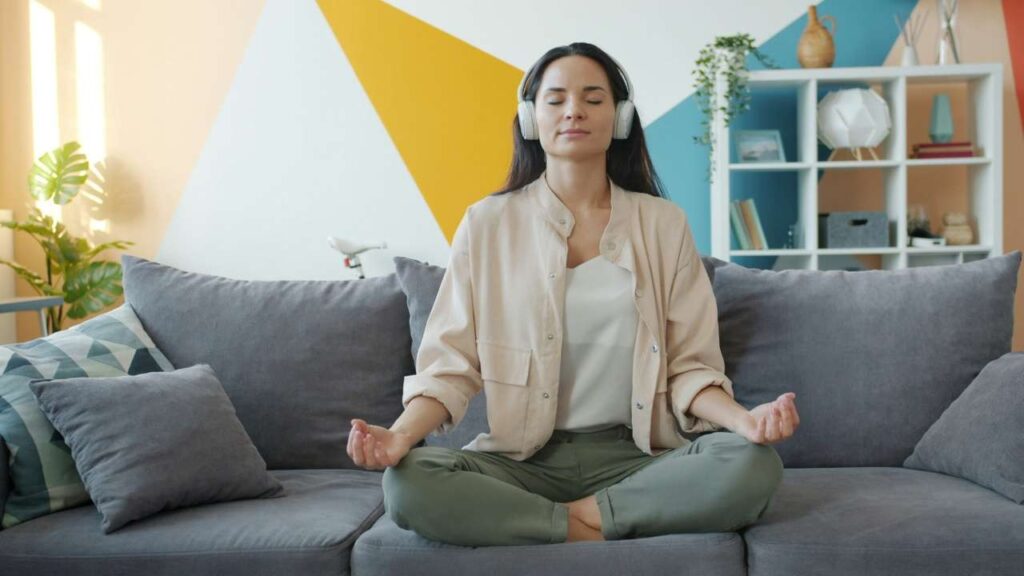
Starting free breathing exercises can feel awkward initially. Your mind may wander constantly, or you might feel you’re “doing it wrong.” These concerns are completely normal. The key isn’t perfect execution but consistent practice.
Some people experience temporary lightheadedness when first attempting deeper breathing. If this occurs, return to normal breathing and gradually increase practice duration over several weeks. Start with just 2-3 minutes daily rather than forcing longer sessions.
Creating a routine helps tremendously. Link your practice to existing habits after morning coffee, during lunch breaks, or as part of your bedtime ritual. This mindfulness practice doesn’t require special equipment or quiet spaces, making it accessible wherever anxiety strikes.
Conclusion
Free breathing exercises represent one of the most powerful yet underutilized tools for managing anxiety naturally. These science-backed techniques cost nothing, require no special equipment, and deliver proven results when practiced consistently. Whether you choose box breathing for immediate calm, the 4-7-8 method for better sleep, or diaphragmatic breathing for daily resilience, you’re equipping yourself with lifelong stress management skills. The beauty of these practices lies in their simplicity and accessibility your breath is always with you, ready to restore balance whenever anxiety appears. Start with just five minutes today and experience the transformative power of conscious breathing.