Guided relaxation for anxiety wasn’t something I believed would work for someone like me a chronic overthinker who’d tried everything from breathing exercises to meditation apps without success. But when panic attacks started disrupting my sleep and relationships, I decided to give structured relaxation techniques one more chance.
What happened next completely changed how I manage daily stress. In this article, I’ll share my personal journey with anxiety relief methods, explore calming techniques that actually stick, discuss mindfulness practices for stress reduction, and reveal the progressive muscle relaxation approach that finally quieted my anxious mind. You’ll discover practical stress management strategies and learn which relaxation therapy methods delivered real results in my everyday routine.
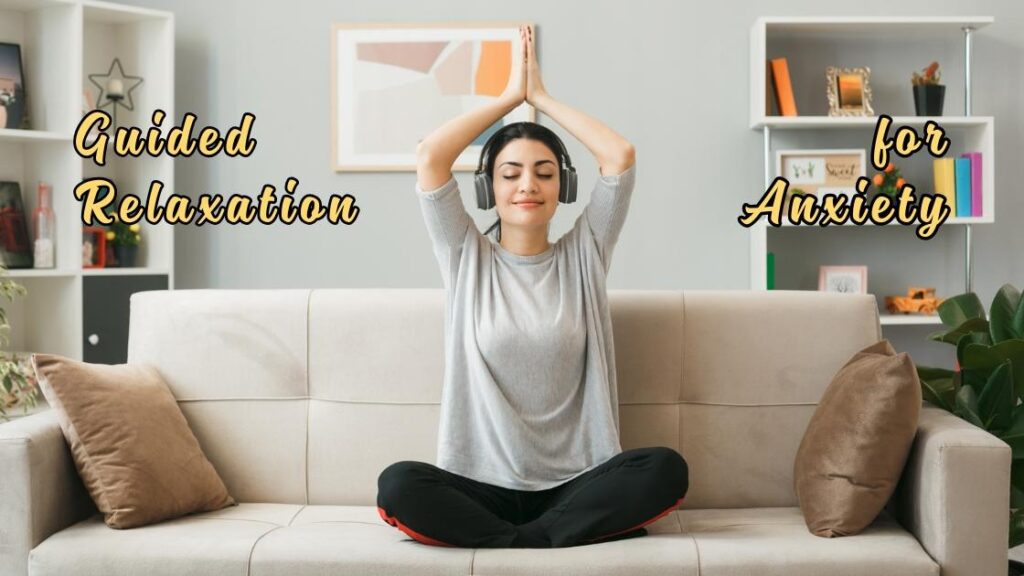
Understanding How Guided Relaxation Works for Anxiety Management
When I first explored guided relaxation for anxiety, I discovered it’s fundamentally different from simply “trying to relax.” This therapeutic approach uses verbal instructions, often combined with visualization and body awareness techniques, to systematically reduce physical and mental tension. Unlike passive relaxation, guided sessions provide structured pathways that help your nervous system shift from fight-or-flight mode into a calmer state.
The science behind this practice is compelling. Research shows that structured relaxation techniques activate the parasympathetic nervous system, which counteracts stress responses. During my initial sessions, I noticed my heart rate slowing and my breathing deepening within just five minutes. These physiological changes aren’t coincidental they’re your body’s natural response to intentional calming practices.
The Key Components That Make It Effective
Every effective guided relaxation for anxiety session includes specific elements that work together. Progressive muscle relaxation teaches you to tense and release muscle groups systematically. Breathing regulation helps control the rapid, shallow breathing that often accompanies anxious thoughts. Visualization techniques transport your mind away from stressors, while mindful body scanning increases awareness of where you hold tension.
My Personal Journey: From Skeptic to Believer
I’ll be honest my first attempt at guided relaxation for anxiety felt awkward and unnatural. Sitting still while someone’s voice told me to “relax my shoulders” seemed pointless when my mind was racing about deadlines and responsibilities. But I committed to practicing daily for two weeks, and that’s when the transformation began.
Week One: Building the Foundation
The initial sessions focused on basic breathing exercises and body awareness. I used a ten-minute audio program each morning before work. While I didn’t feel immediate relief, I noticed myself becoming more conscious of physical tension patterns throughout the day. My jaw clenching and shoulder tightness became impossible to ignore.
Weeks Two Through Four: The Breakthrough Period
This is when guided relaxation for anxiety truly started transforming my stress management routine. I upgraded to twenty-minute sessions that incorporated progressive muscle relaxation and visualization. The breakthrough came during a particularly stressful project deadline instead of spiraling into panic, I instinctively began the breathing pattern from my morning practice. My anxiety didn’t disappear, but it became manageable.
Practical Techniques That Delivered Real Results
Through experimentation, I identified five specific approaches within guided relaxation for anxiety that worked best for my daily routine:
- Morning body scan meditation to start the day with awareness and calmness
- Midday breathing exercises during lunch breaks to reset my nervous system
- Progressive muscle relaxation before important meetings to reduce physical tension
- Evening visualization sessions to process the day and prepare for restful sleep
- Emergency three-minute grounding techniques for unexpected anxiety spikes
Choosing the Right Format for Your Lifestyle
Guided relaxation for anxiety comes in various formats, and finding what fits your schedule matters tremendously. Audio recordings offer convenience for commuters and busy professionals. Video-guided sessions provide visual cues that some people find more engaging. Live virtual classes create accountability and community support. I personally rotate between audio sessions for weekday mornings and longer video programs on weekends.
The Science-Backed Benefits I Actually Experienced
Beyond reduced anxiety symptoms, guided relaxation for anxiety delivered unexpected advantages. My sleep quality improved dramatically within three weeks. I found myself responding to workplace conflicts with more patience and clarity. Even my physical health benefited my doctor noted decreased blood pressure during my annual checkup.
Measuring Progress and Staying Consistent
Tracking your journey with guided relaxation for anxiety helps maintain motivation. I kept a simple journal noting my anxiety levels before and after sessions on a scale of one to ten. Within two months, my baseline anxiety dropped from a seven to a four. The data convinced me this wasn’t placebo effect but genuine neurological change.
Overcoming Common Obstacles and Resistance
Many people struggle with guided relaxation for anxiety because they expect instant results or perfect execution. I learned that fidgeting during sessions is normal, wandering thoughts don’t mean failure, and skipping occasional days won’t erase your progress. The key is returning to the practice without self-judgment.
Conclusion
Guided relaxation for anxiety completely transformed how I navigate daily stress, turning overwhelming panic into manageable moments of calm. Through consistent practice with breathing exercises, progressive muscle relaxation, and visualization techniques, I’ve built a sustainable stress management routine that actually works. The journey from skeptic to believer taught me that anxiety relief isn’t about eliminating stress entirely it’s about developing practical tools to respond differently. If you’re struggling with anxious thoughts and physical tension, I encourage you to commit to guided relaxation for anxiety for at least two weeks. The mindfulness practices and calming techniques you’ll learn become lifelong skills for emotional well-being and mental clarity.