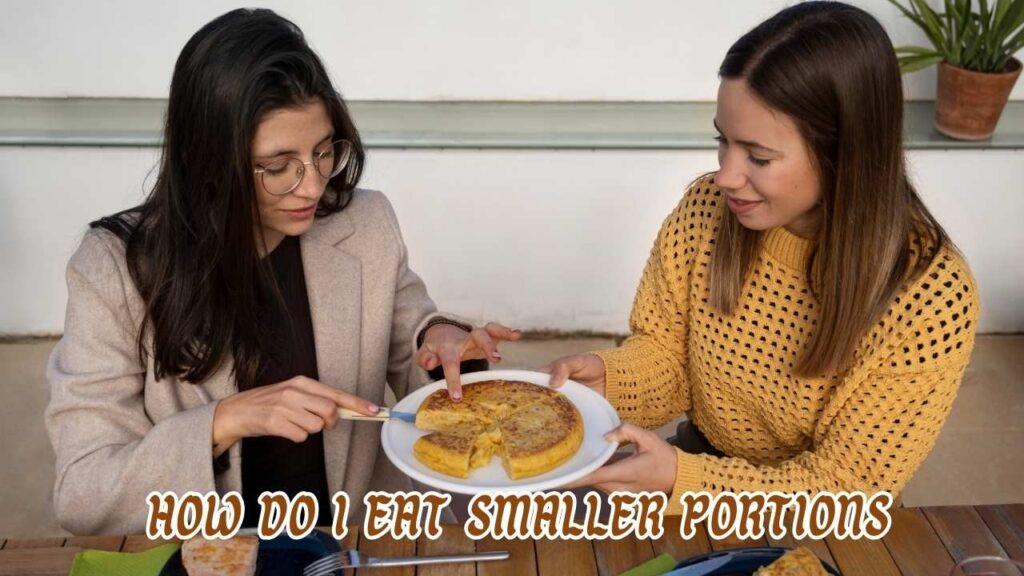
Have you ever wondered how do I eat smaller portions without constantly battling hunger or frustration? This is a common challenge for people trying to improve their eating habits while still enjoying food. Portion sizes have quietly grown over time, making it easy to eat more than your body truly needs.
Learning how do I eat smaller portions isn’t about strict dieting it’s about awareness, balance, and smarter daily choices.In this article, you’ll discover practical strategies that help you feel satisfied while consuming less food naturally. We’ll explore the psychology behind portion control, the role of mindful eating, and how simple habits like using smaller plates can influence fullness.
You’ll also learn how healthy eating habits, hunger cues, and calorie awareness work together to support long-term success. By the end, you’ll have realistic, easy-to-follow tips that fit into everyday life and make portion management feel achievable rather than restrictive.
Understanding Portion Sizes and Eating Behavior
Eating habits are shaped by environment, routine, and perception. Many people struggle with oversized servings because modern food culture promotes large portions as normal. Learning how do I eat smaller portions starts with recognizing what an appropriate serving looks like and why the body doesn’t always need a full plate to feel satisfied. Portion size refers to how much food you choose to eat at one time, which is different from a serving size defined by nutrition guidelines. Over time, repeated exposure to large portions stretches expectations, making smaller amounts feel insufficient even when they meet nutritional needs.
The Psychology Behind Portion Control
Our brain plays a major role in how full we feel. Visual cues such as plate size, packaging, and presentation strongly influence intake. Studies show that people often eat what is in front of them rather than what their body actually requires. Understanding this mental connection is essential when asking how do I eat smaller portions without discomfort.
Visual and Environmental Triggers
Larger plates, bowls, and containers encourage overeating by making portions appear smaller. Eating while distracted by screens also reduces awareness of fullness. Improving mindful eating and adjusting surroundings supports better portion control naturally.
Why Eating Smaller Portions Matters
Reducing portion sizes is not about deprivation. It supports overall health, energy balance, and long-term wellness. When practiced consistently, it helps align calorie intake with actual needs.
Health and Lifestyle Benefits
Eating appropriate portions improves digestion, supports weight management, and stabilizes blood sugar levels. It also builds a healthier relationship with food by focusing on quality over quantity. For those wondering how do I eat smaller portions, the benefits extend beyond physical health to mental clarity and confidence around meals.
Key Advantages of Smaller Portions
- Improved digestion and reduced bloating
- Better awareness of hunger cues
- Easier calorie awareness without strict tracking
- Sustainable healthy eating habits
- Greater enjoyment of meals without guilt
Practical Strategies On How Do I Eat Smaller Portions
Adopting smaller portions requires intentional but simple changes. These strategies focus on behavior rather than restriction, making them easier to maintain.
Start With Plate and Food Choices
Using smaller plates and bowls is one of the most effective tools. It visually satisfies the brain while reducing intake. Filling half the plate with vegetables adds volume and nutrients without excess calories, supporting balanced meals.
Smart Portioning Techniques
- Serve meals in the kitchen instead of family-style dining
- Eat slowly to recognize fullness signals
- Drink water before meals to reduce false hunger
- Prioritize protein intake for longer satiety
- Pause mid-meal to assess satisfaction
These methods directly address how do I eat smaller portions by aligning physical fullness with mental satisfaction.
Mindful Eating as a Core Skill
Mindful eating focuses on being present during meals. It involves noticing flavors, textures, and hunger levels without judgment. This practice strengthens the connection between the body and brain.
Listening to Your Body
Eating slowly allows time for satiety hormones to signal fullness. When distractions are removed, it becomes easier to stop eating when comfortably full rather than overly stuffed. Practicing mindful eating consistently helps answer how do I eat smaller portions in a sustainable way.
Building Awareness Over Time
Mindfulness is a skill that improves with repetition. Even small changes like chewing thoroughly or setting utensils down between bites can significantly reduce intake while increasing satisfaction.
Common Challenges and How to Overcome Them
Eating smaller portions can feel difficult at first, especially if habits are deeply ingrained. Social settings, emotional eating, and stress often lead to overeating.
1. Managing External and Emotional Triggers
Social pressure to finish meals or oversized restaurant portions can derail efforts. Asking for half portions, sharing meals, or packing leftovers helps maintain control. Emotional eating requires alternative coping strategies such as movement, journaling, or relaxation techniques.
2. Staying Consistent Without Perfection
Progress matters more than perfection. Occasional overeating doesn’t negate long-term success. Understanding how do I eat smaller portions includes accepting flexibility while staying mindful most of the time.
Long-Term Recommendations for Success
Consistency turns small actions into habits. Gradually reducing portions allows the stomach and appetite signals to adjust naturally.
Sustainable Habits That Work
Planning meals, eating at regular times, and focusing on nutrient-dense foods create structure. Combining portion control with healthy eating habits ensures long-term results without feeling restricted.
By applying these strategies, eating smaller portions becomes a natural part of daily life rather than a constant struggle.
Conclusion
Learning how do I eat smaller portions is a practical skill that supports long-term health without making meals feel restrictive. By understanding portion sizes, improving mindful eating, and paying attention to hunger cues, it becomes easier to eat with intention rather than habit. Simple strategies like portion control, choosing balanced meals, and building healthy eating habits can lead to better digestion, improved energy, and greater satisfaction from food. With consistency and awareness, smaller portions can naturally become part of a sustainable and enjoyable lifestyle.