How do i portion my food in a way that feels simple, realistic, and sustainable? Many people struggle with serving sizes because modern meals often blur the line between enough and too much. Learning proper portioning is not about restriction it’s about awareness and balance.
This article will guide you through easy, practical ways to manage portions using daily habits rather than strict rules. You’ll discover how portion control, balanced meals, mindful eating, healthy serving sizes, and calorie awareness work together to support better eating decisions.
By understanding these concepts, you can enjoy your favorite foods, reduce overeating, and feel more confident about your choices. Whether your goal is maintaining weight, improving digestion, or building healthier routines, these tips will help make portioning food feel natural and stress-free.
Understanding Food Portioning and Why It Matters
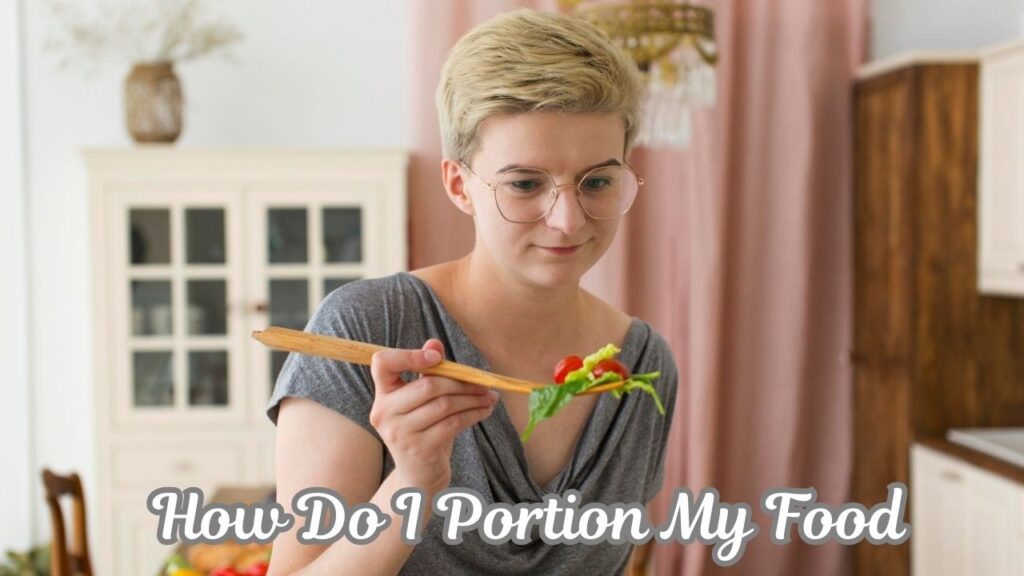
Food portioning refers to serving the right amount of food your body actually needs, rather than eating based on plate size or appetite alone. Many people ask how do i portion my food because modern eating habits often promote oversized servings. Restaurants, packaged foods, and even home-cooked meals can distort our perception of normal portions. Learning portioning helps align eating habits with nutritional needs and lifestyle goals. It supports healthy eating habits, improves portion awareness, and reduces unintentional overeating. Instead of focusing on restriction, portioning encourages balance and consistency, making it easier to enjoy meals without guilt while supporting long-term wellness.
The Importance of Proper Food Portions
Health and Nutrition Benefits
Correct portion sizes play a key role in maintaining overall health. When you understand how do i portion my food, you naturally manage calorie intake while still meeting nutrient requirements. Proper portions help stabilize energy levels, support digestion, and reduce the risk of weight-related issues. They also promote balanced nutrition by ensuring your plate includes the right mix of proteins, carbohydrates, and fats. Over time, portion control contributes to better metabolism and supports sustainable eating routines rather than short-term fixes.
Weight Management and Lifestyle Balance
Portioning is especially important for people aiming to maintain or adjust their weight. Oversized portions can quietly add extra calories, even when eating nutritious foods. By learning how do i portion my food, you gain control without eliminating favorite meals. This approach works well with weight management strategies because it fits into everyday life. It allows flexibility for social events, cultural foods, and busy schedules while still supporting consistent progress.
How Food Portioning Works in Daily Life
Visual and Practical Methods
Portioning does not require constant weighing or measuring. Many practical methods rely on visual cues that make everyday meals easier. Using your hand, plate, or familiar household items helps build portion size awareness. For example, vegetables can fill half the plate, while proteins and grains share the remaining space. These visual techniques answer the question how do i portion my food in a realistic way that adapts to home meals and dining out alike.
Listening to Internal Cues
Beyond visuals, portioning also involves tuning into hunger and fullness signals. Mindful eating encourages slower meals and greater awareness of satisfaction levels. When combined with mindful portioning, this approach reduces the habit of overeating due to stress or distraction. Understanding internal cues makes portion control feel intuitive rather than forced, improving your relationship with food.
Simple Steps to Portion Food Effectively
Everyday Portioning Process
Following a simple process can make portioning automatic over time. These steps work for most meals and eating situations.
1. Start meals with vegetables to increase volume without excess calories.
2. Include a palm-sized portion of protein for satiety and muscle support.
3. Add a fist-sized portion of whole grains or starchy foods for energy.
4. Use healthy fats sparingly to enhance flavor and nutrient absorption.
5. Pause mid-meal to assess fullness before taking more food.
These steps help answer how do i portion my food consistently without complex calculations.
Common Challenges and How to Overcome Them
Large Portions and Emotional Eating
One major challenge is adjusting to smaller portions when used to larger servings. Emotional eating and external cues like stress or social pressure can also interfere. Building portion control skills takes time and patience. Planning meals ahead and serving food on smaller plates can reduce these challenges. Recognizing triggers helps maintain portion awareness even during busy or emotional moments.
Dining Out and Packaged Foods
Restaurants and packaged meals often exceed recommended serving sizes. Learning how do i portion my food in these situations involves sharing dishes, saving leftovers, or checking labels for serving information. These habits allow flexibility without abandoning portion goals.
Benefits of Learning to Portion Food Correctly
1. Long-Term Sustainability
One of the biggest advantages of portioning is sustainability. Unlike restrictive diets, portion control adapts to changing needs and preferences. Understanding how do i portion my food supports long-term healthy lifestyle choices rather than temporary results. It empowers informed decisions and builds confidence around food.
2. Improved Relationship with Food
Portioning reduces guilt and anxiety around eating. It encourages enjoyment and satisfaction while maintaining balance. By focusing on portions instead of elimination, meals become more enjoyable and less stressful. This positive mindset supports consistency and overall well-being.
Practical Tips for Consistent Portion Control
To maintain portioning habits, focus on simple daily practices.
1. Eat without distractions to improve awareness.
2 .Serve food in the kitchen instead of family-style on the table.
3 .Use smaller plates and bowls to guide portions naturally.
4. Include protein and fiber to feel full longer.
5 .Adjust portions based on activity level and hunger cues.
These tips reinforce how do i portion my food in a way that fits real life, helping you build healthier eating habits that last.
Conclusion
Understanding how do i portion my food is a practical step toward building healthier, more balanced eating habits. By focusing on portion awareness, visual cues, and mindful choices, you can enjoy meals without overeating or feeling restricted. This approach supports portion control, encourages balanced nutrition, and strengthens mindful eating habits over time. Instead of following strict rules, portioning empowers you to make informed decisions that fit your lifestyle. When practiced consistently, it improves your relationship with food, supports weight management, and promotes long-term wellness in a realistic and sustainable way.