If you’re searching for relaxation tips for mental health that actually deliver results, you’ve come to the right place. This comprehensive guide explores scientifically validated stress management techniques and mindfulness practices designed to help you achieve emotional balance without relying on medications alone. Whether you’re dealing with overwhelming work pressure, daily worries, or simply need effective anxiety relief methods, understanding how to naturally calm your nervous system is essential for long-term wellbeing.
Throughout this article, we’ll examine proven mental wellness strategies backed by clinical research, including breathing exercises, progressive muscle relaxation, and cognitive techniques that mental health professionals recommend. You’ll discover practical, evidence-based approaches to reduce stress naturally and cultivate the inner calm you deserve, all grounded in the latest psychological science and therapeutic best practices.
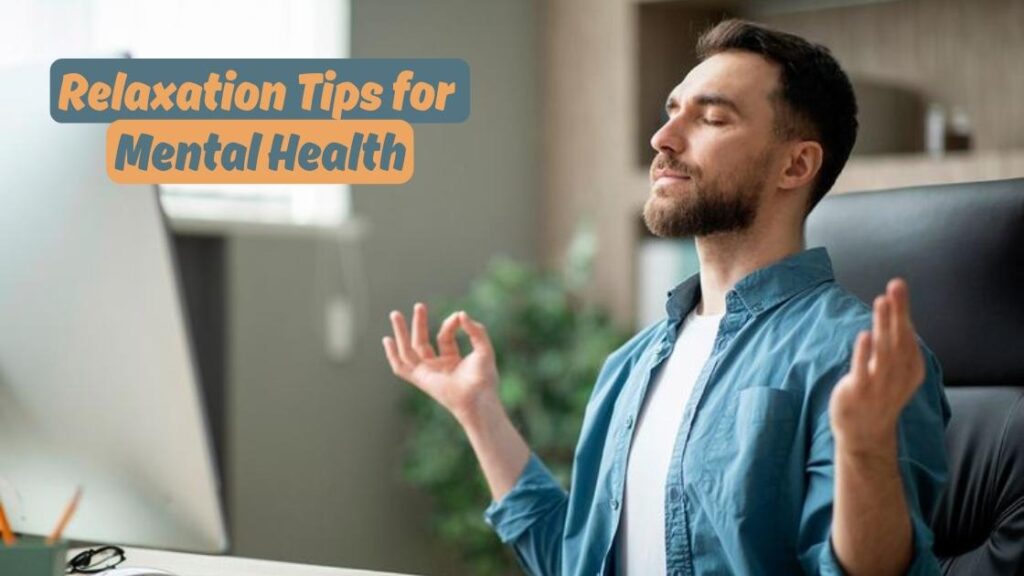
Understanding the Science Behind Relaxation Tips for Mental Health and Overall Wellness
When we talk about relaxation tips for mental health, it’s crucial to understand what happens in your body during stress. Your nervous system operates through two main branches: the sympathetic system that triggers your fight-or-flight response, and the parasympathetic system that promotes rest and recovery. Chronic stress keeps your sympathetic nervous system activated, leading to elevated cortisol levels, increased heart rate, and mental exhaustion. Research from leading neuroscience institutions confirms that stress reduction techniques directly activate your parasympathetic response, helping restore emotional equilibrium and cognitive clarity.
The importance of implementing evidence-based mental wellness strategies cannot be overstated. According to mental health professionals, regular relaxation practice reduces inflammation, improves sleep quality, enhances immune function, and significantly decreases symptoms of anxiety and depression. These aren’t just temporary fixes but foundational practices that reshape how your brain processes stress over time.
Proven Breathing Techniques for Immediate Calm
Breathing exercises represent some of the most accessible and powerful relaxation tips for mental health available today. Deep breathing exercises work by directly influencing your vagus nerve, which controls your body’s relaxation response.
Diaphragmatic Breathing Method
Place one hand on your chest and another on your belly. Inhale slowly through your nostrils, making sure your abdomen expands more than your chest area. This anxiety relief method slows your heart rate within minutes and can be practiced anywhere, making it perfect for managing sudden stress at work or home.
Box Breathing for Stress Management
Box breathing, used by Navy SEALs and therapists alike, involves inhaling for four counts, holding for four, exhaling for four, and pausing for four. This mindfulness practice creates immediate physiological changes, reducing panic symptoms and promoting mental clarity during challenging situations.
Progressive Muscle Relaxation and Body Awareness
Progressive muscle relaxation (PMR) ranks among the most researched stress management techniques in clinical psychology. This technique requires you to deliberately tighten and then relax various muscle groups across your entire body.
Key benefits of progressive muscle relaxation include:
- Decreased physical tension and muscle pain
- Improved body awareness and stress recognition
- Enhanced sleep quality and faster sleep onset
- Reduced symptoms of generalized anxiety disorder
- Better emotional regulation during stressful events
Start with your toes and work upward through your calves, thighs, abdomen, chest, arms, and face. Tense each muscle group for five seconds, then release completely for thirty seconds. This practice trains you to recognize the difference between tension and relaxation, making it easier to identify and reduce stress naturally throughout your day.
Mindfulness Meditation Relaxation Tips for Mental Health and Present Moment Awareness
Mindfulness practices have gained tremendous recognition in mainstream mental health treatment. These relaxation tips for mental health involve focusing your attention on the present moment without judgment, which research shows physically changes brain structures associated with emotional regulation.
Starting Your Mindfulness Practice
Begin with just five minutes daily. Find a comfortable seated position, gently close your eyes, and direct your attention to your breathing. When thoughts arise, simply notice them without criticism and gently return attention to breathing. Studies demonstrate that consistent practice over eight weeks significantly reduces anxiety symptoms and improves overall mental wellness.
Body Scan Meditation
This technique combines mindfulness with body awareness. Lie down and mentally scan from head to toe, noticing sensations without trying to change them. This cognitive relaxation technique helps interrupt worry cycles and grounds you in physical reality rather than anxious thoughts.
Nature Therapy and Environmental Relaxation
Spending time in nature offers profound mental health benefits supported by environmental psychology research. Forest bathing, or shinrin-yoku, involves immersing yourself in natural settings, which lowers cortisol levels and blood pressure while boosting mood and creativity.
Even twenty minutes in a park provides measurable anxiety relief. If outdoor access is limited, indoor plants, nature sounds, or nature photography can offer similar calming effects for your nervous system.
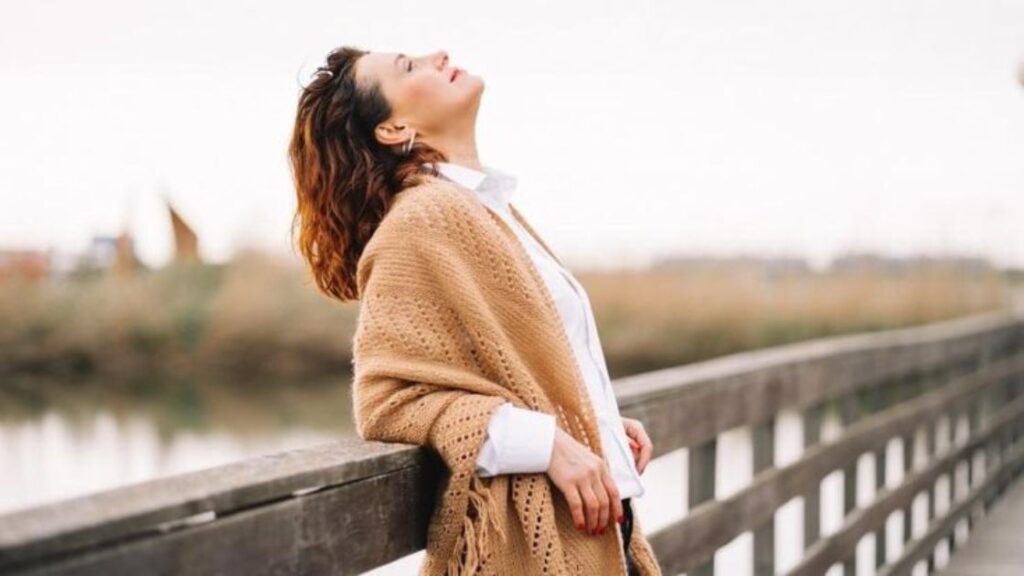
Creating Your Personalized Relaxation Routine
Effective stress management requires consistency rather than perfection. Choose two or three relaxation tips for mental health that resonate with your lifestyle and commit to practicing them daily. Morning meditation, lunchtime breathing exercises, or evening progressive muscle relaxation can all create sustainable change.
Track your mood and stress levels to identify which techniques provide the greatest benefit. Remember that building new neural pathways takes time, so patience with yourself remains essential for long-term success.
Conclusion
Implementing relaxation tips for mental health into your daily routine represents one of the most powerful investments you can make in your overall wellbeing. From evidence-based breathing exercises and progressive muscle relaxation to mindfulness meditation and nature therapy, these scientifically validated stress management techniques offer accessible pathways to emotional balance and inner peace. The key to success lies in consistent practice rather than perfection. By incorporating these mental wellness strategies and anxiety relief methods into your life, you’re not just managing symptoms but fundamentally transforming how your brain and body respond to stress. Start small, stay committed, and watch as these relaxation tips for mental health create lasting positive change in your emotional resilience and quality of life.