The debate around vertical farming vs traditional farming is no longer a distant conversation about tomorrow it is shaping the food on your plate right now. As the global population races toward 10 billion by 2050, the pressure on our food systems is mounting fast. People everywhere are asking a simple but powerful question: can technology feed us better than soil and sunlight alone? This article breaks down both farming methods in plain language, comparing everything from crop production and sustainability to cost, taste, and environmental impact. Whether you are a curious foodie, a home gardener, or someone who cares about sustainable agriculture, you will walk away with a clear understanding of where our food is heading.
Traditional farming has fed civilizations for thousands of years. It relies on open land, natural weather cycles, and seasonal harvests a system deeply rooted in human history. But climate change, water scarcity, and shrinking farmland are exposing its limitations like never before. On the other side, indoor farming technologies such as hydroponics and controlled environment agriculture are offering bold new solutions. Vertical farms grow crops in stacked layers inside climate-controlled buildings, using significantly less water and zero pesticides.
So, when we look at vertical farming vs traditional farming, which approach truly delivers fresher, healthier, and more reliable food? And can modern food technology work alongside age-old methods rather than replace them entirely? In the sections ahead, we will explore both systems honestly their strengths, their weaknesses, and everything in between so you can form your own informed opinion about the future of food.
Understanding the Basics: Vertical Farming vs Traditional Farming
Before diving deeper into the comparison, it is important to understand what each method actually means. The conversation around vertical farming vs traditional farming starts with how and where food is grown. Traditional farming, also known as conventional agriculture, involves cultivating crops on open land using natural resources like sunlight, rain, and soil. It has been the backbone of human civilization for over 10,000 years and still accounts for the vast majority of global food production today.
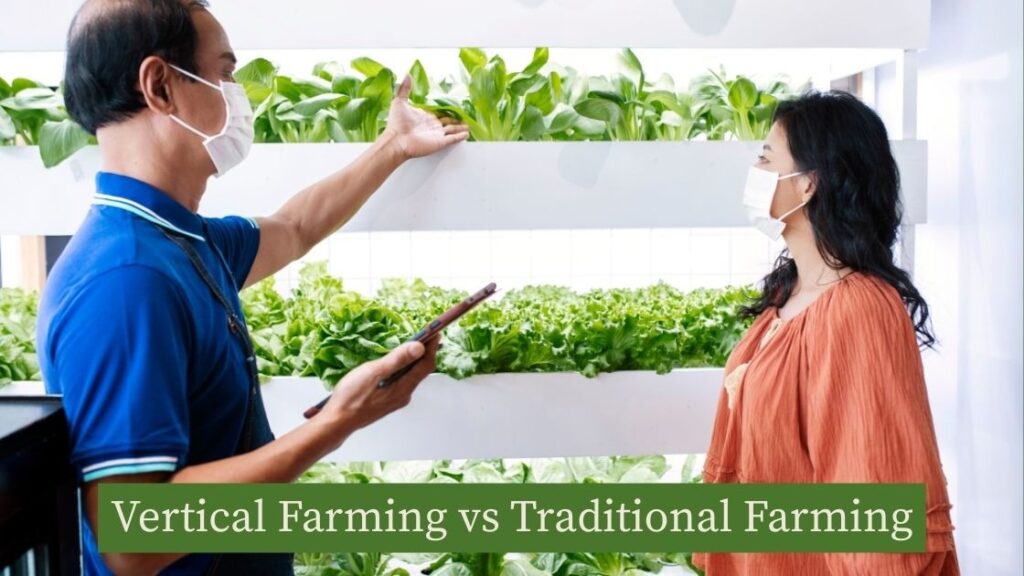
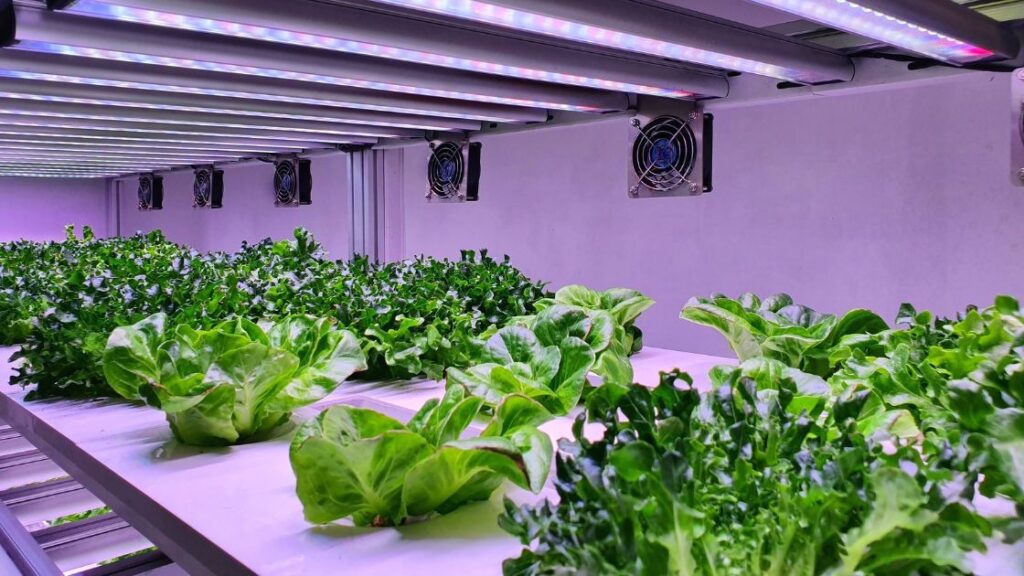
Vertical farming, on the other hand, is a modern agricultural technology that grows crops indoors in vertically stacked layers. These farms operate inside warehouses, shipping containers, or purpose built buildings using hydroponic systems, LED grow lights, and climate control technology. Every element from temperature to humidity is carefully managed to create ideal growing conditions year round.
How Each Farming Method Works
When comparing vertical farming vs traditional farming, understanding the process behind each method makes the differences much clearer.
Traditional farming follows a seasonal cycle. Farmers prepare the soil, plant seeds, irrigate the land, manage pests, and harvest crops based on weather patterns. It depends heavily on geography, rainfall, and climate conditions. A bad monsoon or unexpected frost can wipe out an entire season of work.
Vertical farming removes most of these uncertainties. Crops grow in nutrient rich water solutions instead of soil, receiving precisely measured light and airflow. Because everything happens indoors, there is no dependency on weather, and harvests can happen multiple times a year. This controlled environment agriculture approach is what makes vertical farming so appealing to urban areas and regions with limited arable land.
Key Differences: Vertical Farming vs Traditional Farming
Land and Space Requirements
One of the biggest contrasts in the vertical farming vs traditional farming debate is land usage. Traditional farms require vast stretches of open land, which is becoming increasingly scarce due to urbanization and deforestation. Vertical farms can produce equivalent yields in a fraction of the space by stacking growing trays upward rather than spreading outward. A single vertical farm in a city building can match the output of several acres of conventional farmland.
Water Usage and Sustainability
Water consumption is another critical factor when evaluating vertical farming vs traditional farming. Traditional agriculture consumes roughly 70% of the world’s freshwater supply, much of which is lost to evaporation, runoff, and inefficient irrigation. Vertical farming systems recirculate water in closed loops, using up to 95% less water than traditional methods. For anyone concerned about sustainable food production and long term resource management, this difference is significant.
Crop Variety and Limitations
Not every crop thrives in both systems. Traditional farming supports a wide range of produce, including grains like wheat and rice, root vegetables, and large fruit trees. Vertical farming currently focuses on leafy greens, herbs, strawberries, and microgreens. When analyzing vertical farming vs traditional farming from a crop diversity standpoint, traditional methods still hold a clear advantage, although vertical farming technology is rapidly evolving to close this gap.
Benefits and Challenges of Vertical Farming vs Traditional Farming: A Side by Side Look
Advantages of Vertical Farming
The benefits of vertical farming are hard to ignore, especially in the context of vertical farming vs traditional farming for urban and high density populations.
- Produces fresh food year round regardless of season or climate.
- Eliminates the need for chemical pesticides and herbicides entirely.
- Uses up to 95% less water through recirculating hydroponic systems.
- Reduces food miles by growing produce closer to consumers in urban agriculture settings.
- Maximizes output per square foot through vertical stacking and optimized lighting.
Challenges of Vertical Farming
Despite its promise, vertical farming is not without hurdles. The vertical farming vs traditional farming conversation must include these honest drawbacks.
- High initial setup costs including infrastructure, lighting, and climate systems.
- Heavy energy consumption from artificial LED grow lights running continuously.
- Limited crop range compared to open field agriculture.
- Requires specialized technical knowledge and skilled labor to operate.
- Scaling remains difficult for staple crops like corn, wheat, and potatoes.
Why Traditional Farming Still Matters
It would be unfair to discuss vertical farming vs traditional farming without recognizing the irreplaceable role of conventional agriculture. Traditional farming supports the livelihoods of billions of people worldwide. It produces the staple grains and large scale crops that feed entire nations. The cultural, economic, and social importance of rural farming communities cannot be overlooked, even as newer technologies gain attention.
However, traditional farming faces growing challenges including soil degradation, unpredictable weather patterns driven by climate change, excessive water usage, and heavy reliance on chemical fertilizers. These issues are pushing researchers, governments, and food companies to look at hybrid solutions that combine the strengths of both approaches.
The Future: Can Both Methods Coexist?
The most practical answer to the vertical farming vs traditional farming question is not about choosing one over the other. The future of food technology likely involves a combination of both systems working together. Traditional farms can continue producing staple crops and feeding large populations, while vertical farms can supplement the supply chain with fresh, pesticide free produce grown locally in cities.
Governments and private investors are already funding smart farming initiatives that integrate data analytics, automation, and precision agriculture into both indoor and outdoor farming. This blended approach could reduce environmental impact while increasing overall food security.
A Practical Recommendation
If you are a consumer who wants to support sustainable agriculture, start by learning where your food comes from. Look for locally grown produce from vertical farms at grocery stores and farmers markets. At the same time, support policies that protect traditional farmers and encourage eco friendly farming practices.
Understanding vertical farming vs traditional farming is not just an academic exercise. It is a real world decision that affects the freshness of your meals, the health of the planet, and the resilience of global food systems for generations to come.
Conclusion
The conversation around vertical farming vs traditional farming is not about choosing a winner. It is about understanding how both systems can contribute to a healthier, more secure global food supply. As we have explored throughout this article, traditional farming remains essential for producing staple crops at scale and supporting rural economies worldwide, while vertical farming offers a revolutionary approach to growing fresh, pesticide free produce in urban environments with minimal water and land usage.
Each method carries its own strengths and limitations. Traditional agriculture provides variety, affordability, and centuries of proven reliability. Meanwhile, indoor farming delivers precision, consistency, and year round harvests through advanced controlled environment agriculture. Neither system alone can solve the challenges of feeding a rapidly growing population under the pressures of climate change and shrinking natural resources.
The most promising path forward lies in combining the best of both worlds. By integrating modern agricultural technology with time tested farming practices, we can build a more resilient and sustainable food system that works for farmers, consumers, and the planet alike. Innovations in hydroponics, energy efficiency, and smart farming tools are already making this hybrid future possible.
Ultimately, understanding vertical farming vs traditional farming empowers you as a consumer to make informed choices about the food you eat and the systems you support. The future of food is not a single solution. It is a collaborative effort where technology and tradition grow side by side, feeding the world more intelligently than ever before.