
Unhappy vs depression two terms that are often confused but represent very different emotional states. We all experience moments of sadness, disappointment, or feeling down after life’s challenges. However, knowing when these feelings cross into something more serious is essential for your emotional well-being.
Many people struggle to recognize the line between temporary unhappiness and clinical depression, which can lead to delayed treatment and unnecessary suffering. Understanding these differences helps you take the right steps toward healing.
In this article, we will explore the key distinctions between feeling unhappy and experiencing depression. You will learn about the warning signs, causes, and when it might be time to seek professional help. By the end, you will have a clearer understanding of your mental health and how to care for it properly.
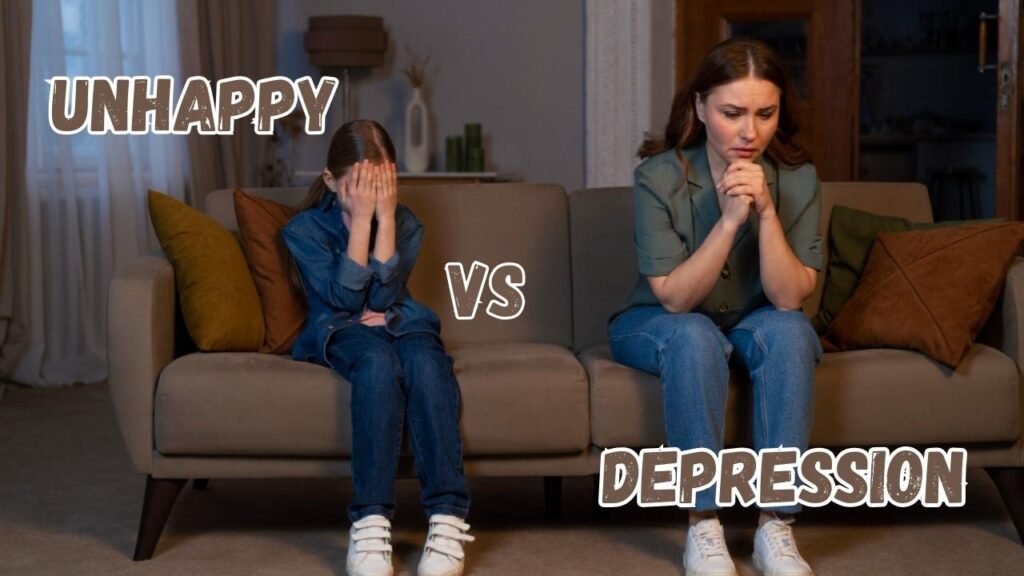
What Does It Mean to Feel Unhappy?
Feeling unhappy is a normal part of life that everyone experiences at some point. It is a temporary emotional response to specific events such as losing a job, ending a relationship, or facing disappointment.
Common Causes of Unhappiness
Unhappiness typically has a clear trigger. You can usually identify why you feel this way. Some common causes include:
- Work stress or job dissatisfaction
- Relationship problems or conflicts
- Financial difficulties
- Unmet expectations or goals
- Loneliness or social isolation
The good news is that unhappiness usually fades once the situation improves or you adapt to changes. Understanding unhappy vs depression starts with recognizing that sadness from life events is entirely natural and does not always indicate a deeper problem.
What Is Depression?
Depression is a mental health disorder that goes far beyond ordinary sadness. It is a persistent condition that affects how you think, feel, and function in daily life.
Recognizing the Signs of Clinical Depression
Unlike temporary unhappiness, clinical depression involves symptoms that last for weeks or even months. These symptoms can include:
- Persistent feelings of hopelessness or emptiness
- Loss of interest in activities you once enjoyed
- Changes in appetite or weight
- Sleep disturbances such as insomnia or oversleeping
- Difficulty concentrating or making decisions
- Physical symptoms like fatigue or body aches
- Thoughts of self harm or suicide
When comparing unhappy vs depression, it is important to note that depression often occurs without any obvious reason. You might have a good life on paper but still feel overwhelmed by darkness.
Key Differences Between Unhappiness and Depression
Understanding the distinction between unhappy vs depression can help you determine what you are experiencing and whether professional help is needed.
Duration and Intensity
Unhappiness is short lived and usually resolves within days or weeks. Depression, however, continues for a minimum of two weeks and frequently extends much further. The intensity of depressive symptoms is also much greater and more debilitating.
Impact on Daily Functioning
When you are unhappy, you can still manage your responsibilities and find moments of joy. Depression makes even simple tasks feel impossible. Getting out of bed, going to work, or maintaining relationships becomes extremely challenging.
Physical Symptoms
Unhappiness rarely causes physical problems beyond temporary fatigue. Depression often manifests in your body through chronic exhaustion, appetite changes, and unexplained aches. This connection between psychological health and physical well being is well documented.
Why Understanding This Difference Matters
Recognizing unhappy vs depression is crucial for several reasons. First, it helps you respond appropriately to your emotional state. Second, it prevents you from dismissing serious symptoms as just being sad.
The Importance of Early Intervention
Many people delay seeking help because they believe they are simply unhappy and will get over it. However, untreated depression can worsen over time and lead to severe consequences. Early intervention improves outcomes significantly and can prevent long term suffering.
Breaking the Stigma Around Mental Wellness
Understanding unhappy vs depression also helps reduce stigma. When we recognize depression as a legitimate mood disorder rather than weakness, we create a more supportive environment for those who need help.

When Should You Seek Professional Help?
Knowing when to reach out is essential for your emotional well being. Consider seeking help if:
- Your symptoms last longer than two weeks
- You experience thoughts of harming yourself
- Daily activities feel overwhelming
- Your relationships or work performance suffer
- You feel hopeless about the future
A mental health professional can provide an accurate diagnosis and create a treatment plan tailored to your needs. Treatment options include therapy, medication, lifestyle changes, or a combination of approaches.
Practical Steps to Improve Your Emotional Health
Whether you are dealing with unhappiness or depression, there are steps you can take to support your recovery. Building healthy habits, maintaining social connections, and practicing self care all contribute to better mental wellness.
Understanding unhappy vs depression empowers you to make informed decisions about your health. Seeking support shows courage, not vulnerability. Caring for your mental health deserves the same attention as your physical health.
Conclusion
Understanding unhappy vs depression is essential for taking control of your mental health. While unhappiness is a temporary response to life’s challenges, depression is a serious mood disorder that requires attention and care.
Recognizing the differences in duration, intensity, and impact on daily life helps you respond appropriately to your emotions. If you are struggling with persistent sadness, hopelessness, or loss of interest, do not hesitate to seek professional support.
Your emotional well being matters. By understanding unhappy vs depression, you can make informed choices and take the first step toward healing and a healthier, happier life.