Food manufacturing robots are rapidly reshaping how companies produce, package, and deliver products to consumers worldwide. As demand for faster production and higher quality standards increases, businesses are turning to industrial automation to stay competitive. These intelligent machines perform tasks ranging from sorting ingredients to automated packaging, all while maintaining strict food safety protocols.
This article explores how robotic systems are revolutionizing the food sector, examining their key applications, benefits, and future potential. You’ll discover how smart factory technology enhances production efficiency and reduces human error on assembly lines. Whether you’re a business owner considering automation or simply curious about industry trends, this comprehensive guide covers everything you need to know about this exciting technological shift transforming our food supply chain.
What Are Food Manufacturing Robots and How Do They Work?
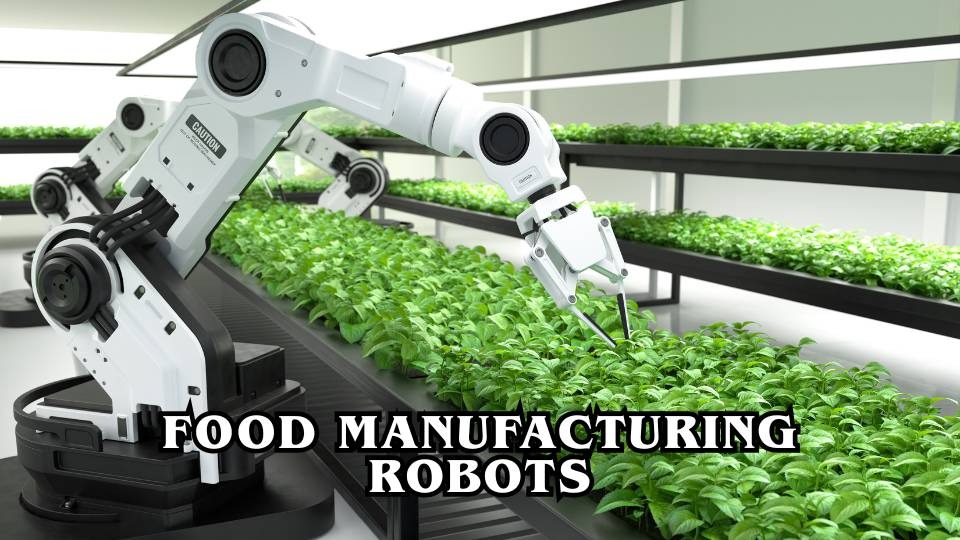
Food manufacturing robots are specialized automated machines designed to handle various tasks in food production facilities. These systems use advanced sensors, artificial intelligence, and precision engineering to perform repetitive actions with remarkable accuracy.
Unlike traditional machinery, modern robotic systems can adapt to different products and packaging requirements. They work alongside human employees to create a more efficient production environment.
Core Functions of Robotic Systems
These intelligent machines perform essential operations including:
- Sorting and grading raw ingredients based on size and quality
- Picking and placing items on conveyor belt systems
- Cutting, slicing, and portioning products with precision
- Sealing, labeling, and packaging automation tasks
- Palletizing finished goods for distribution
The Evolution of Automation in Food Production
The journey of food manufacturing robots began in the 1960s when basic mechanical arms first appeared in automotive plants. Food companies soon recognized the potential for similar technology in their facilities.
Early Adoption and Growth
During the 1980s and 1990s, large corporations started implementing industrial automation for simple packaging tasks. However, these early systems were expensive and limited in capability.
The real transformation came after 2010 when machine learning and improved sensor technology made robots more versatile. Today, even small and medium businesses can afford sophisticated automated food processing solutions.
Why Robotic Automation Matters for the Food Industry
The importance of food manufacturing robots continues growing as companies face mounting pressure to increase output while maintaining food safety standards. Several factors drive this trend.
Meeting Consumer Demands
Modern consumers expect consistent product quality and faster delivery times. Robotic production lines help manufacturers meet these expectations by operating continuously without fatigue or variation.
Addressing Labor Shortages
Many regions experience significant workforce challenges in food production. Automated systems fill critical gaps by handling tasks that are difficult, dangerous, or undesirable for human workers.
Key Benefits of Implementing Robotic Systems
Companies investing in food manufacturing robots experience numerous advantages that impact their bottom line and operational efficiency.
Enhanced Production Speed and Consistency
Robots work at consistent speeds without breaks, significantly increasing manufacturing efficiency. A single robotic arm can process thousands of items per hour with identical precision every time.
Improved Hygiene and Safety Standards
Robotic technology reduces human contact with food products, minimizing contamination risks. These machines operate in environments that would be challenging for human workers, including extreme temperatures and sterile conditions.
Significant Cost Savings
While initial investment may seem substantial, long term savings prove considerable:
- Reduced labor costs through decreased workforce requirements
- Lower waste from improved accuracy and quality control
- Decreased product recalls due to contamination issues
- Extended operating hours without overtime expenses
Challenges Facing Robotic Implementation
Despite clear advantages, food manufacturing robots present certain obstacles that companies must address.
High Initial Investment
Purchasing and installing automated machinery requires significant capital. Small businesses often struggle to justify these upfront costs despite potential long term returns.
Technical Complexity
Operating and maintaining sophisticated robotic equipment demands specialized knowledge. Companies must invest in training programs or hire qualified technicians to keep systems running smoothly.
Product Variability Issues
Natural food products vary in shape, size, and texture. Programming robots to handle this variability remains challenging, though computer vision advancements continue improving adaptability.
Real World Examples of Successful Implementation
Leading companies demonstrate how food manufacturing robots deliver impressive results across various applications.
Tyson Foods employs robotic deboning systems that increase processing speed by 40 percent while improving worker safety. Nestlé uses collaborative robots alongside human workers for flexible packaging operations.
Similarly, JBS implemented automated cutting systems that reduced product waste by 15 percent. These examples showcase how strategic automation investments generate measurable improvements in production efficiency and profitability.
The technology continues advancing rapidly, making robotic solutions increasingly accessible and capable for food manufacturers of all sizes.
Conclusion
Food manufacturing robots represent a significant advancement in how companies produce and deliver products to consumers. From enhancing production efficiency to maintaining strict hygiene standards, these systems offer compelling benefits that outweigh initial investment concerns.
As automation technology continues evolving, more businesses will adopt robotic solutions to remain competitive. The combination of artificial intelligence, improved sensors, and collaborative robots makes implementation increasingly practical for companies of all sizes.
Embracing food manufacturing robots positions businesses for long term success in an industry where speed, consistency, and safety determine market leadership. The future of food production is undoubtedly automated.