
Living with atopic skin care challenges can feel overwhelming, but the right approach makes all the difference. Millions of people worldwide struggle with eczema, dry skin, and constant irritation that disrupts daily life. Understanding how to properly nurture your sensitive skin is the first step toward lasting relief and comfort.
This comprehensive guide will walk you through everything you need to know about managing atopic conditions effectively. From identifying triggers to building a soothing skincare routine, you’ll discover practical strategies that actually work. We’ll explore the best moisturizers, discuss how to strengthen your skin barrier, and share expert tips for reducing inflammation and itchiness.
Whether you’re newly diagnosed or have been battling flare-ups for years, this article provides the knowledge and tools to help you achieve healthier, calmer skin every day.
What Is Atopic Dermatitis and Why Does It Require Special Care
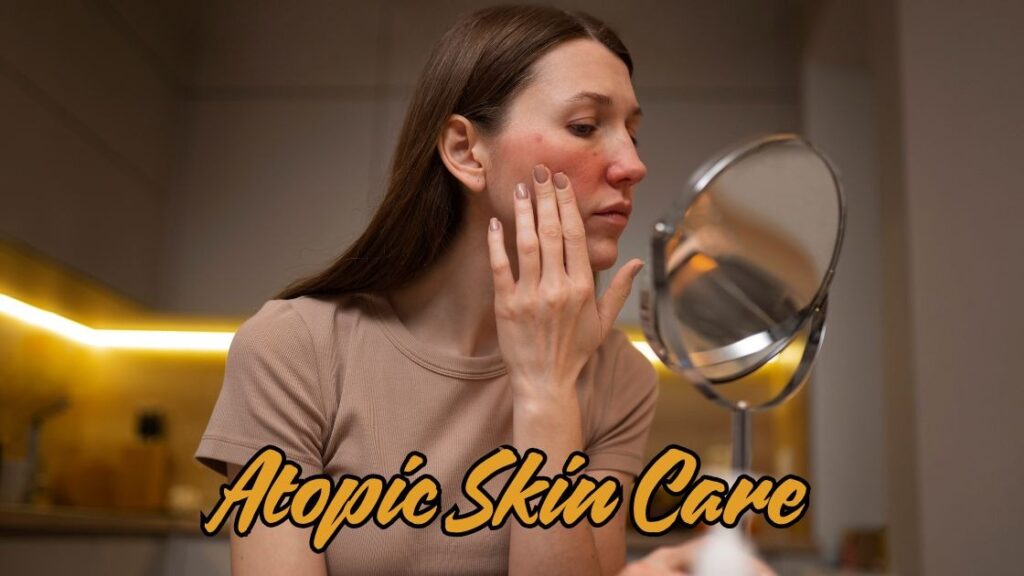
Atopic skin care focuses on managing a chronic condition known as atopic dermatitis, the most common form of eczema. This inflammatory skin disorder affects approximately 10 to 20 percent of children and 3 percent of adults globally. The condition causes intense itching, redness, and dry skin patches that can significantly impact quality of life.
People with atopic conditions have a compromised skin barrier that fails to retain moisture properly. This allows irritants, allergens, and bacteria to penetrate more easily. Understanding this underlying mechanism is crucial for developing an effective skincare routine.
The History Behind Atopic Conditions
The term atopic was first introduced in 1923 by physicians Arthur Coca and Robert Cooke. They used it to describe inherited allergic reactions including eczema, asthma, and hay fever. Over the decades, research has revealed the genetic and environmental factors that contribute to these conditions.
Modern dermatology has made significant advances in treatment options. Today, we have better moisturizers, targeted therapies, and a deeper understanding of how to prevent flare-ups.
Essential Components of an Effective Skincare Routine
Building a proper atopic skin care regimen requires attention to several key elements. The goal is to restore and maintain the protective barrier while minimizing inflammation and irritation.
Cleansing Without Stripping
Choosing the right cleanser makes a huge difference for sensitive skin. Here are three important considerations:
- Select fragrance free formulas that won’t trigger reactions
- Opt for gentle, hypoallergenic cleansers with a pH between 5.5 and 6.5
- Avoid hot water and limit bathing time to 10 to 15 minutes
Harsh soaps and scrubs can worsen symptoms by removing natural oils. Instead, choose creamy or oil based cleansers that clean without damaging the barrier.
The Power of Proper Moisturization
Hydration is the cornerstone of atopic skin care management. Applying emollients regularly helps lock in moisture and creates a protective layer against environmental triggers.
The best moisturizers for atopic conditions contain:
- Ceramides to repair the skin barrier
- Glycerin for deep hydration
- Colloidal oatmeal to soothe itchy skin
- Shea butter for nourishment
Apply moisturizer within three minutes after bathing when skin is still damp. This technique, called soak and seal, dramatically improves absorption and effectiveness.
Common Challenges and How to Overcome Them
Managing atopic skin care comes with unique obstacles. Recognizing these challenges helps you prepare better strategies.
Identifying and Avoiding Triggers
Everyone has different triggers that cause flare-ups. Common culprits include:
- Common airborne irritants such as household dust, seasonal pollen, and animal fur
- Certain fabrics, especially wool and synthetic materials
- Stress and emotional factors
- Temperature extremes and low humidity
- Specific foods in some individuals
Keeping a symptom diary helps identify your personal triggers. Once you know what causes reactions, you can take steps to minimize exposure.
Dealing With Intense Itching
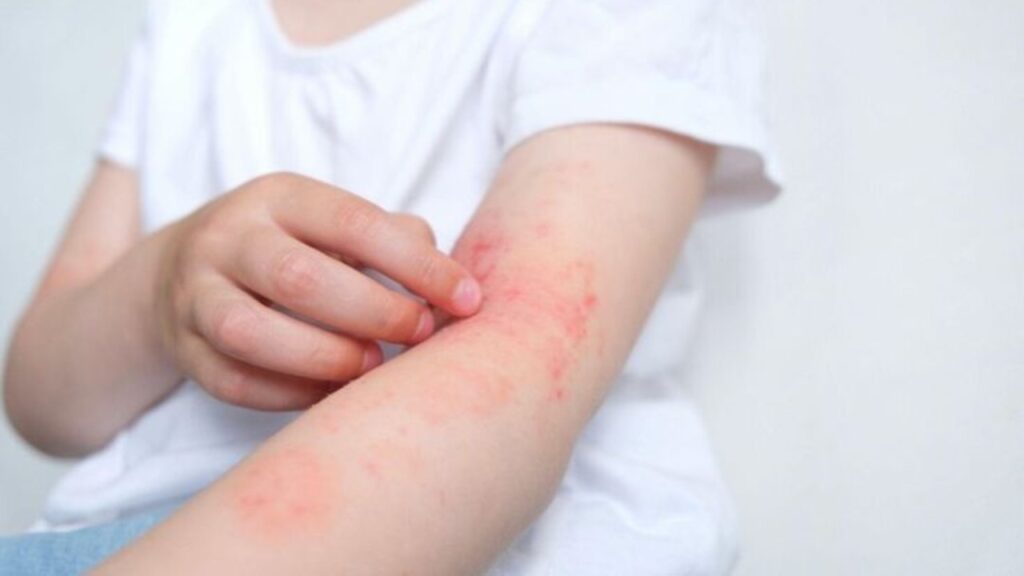
Breaking the endless loop of itching and scratching remains one of the biggest struggles for people living with atopic dermatitis. Scratching provides temporary relief but ultimately damages skin and worsens inflammation.
Try these alternatives to manage itchy skin:
- Apply cool compresses to affected areas
- Use anti itch creams containing pramoxine or menthol
- Wear soft cotton clothing and keep nails trimmed
- Practice relaxation techniques to reduce stress related itching
Long Term Benefits of Consistent Care
Committing to a proper atopic skin care routine offers numerous advantages over time. Many people experience fewer and less severe flare-ups within weeks of starting a consistent regimen.
Improved Quality of Life
Better skin management leads to improved sleep, reduced anxiety, and greater confidence. Children especially benefit from fewer disruptions to their daily activities and social interactions.
Stronger Skin Resilience
Regular use of emollients and barrier repair products gradually strengthens the skin’s natural defenses. This means your skin becomes better equipped to handle environmental stressors and recover more quickly from minor irritations.
Achieving clearer, healthier skin takes time and a steady routine. However, the rewards of proper atopic skin care are well worth the effort.
Conclusion
Managing atopic skin care effectively requires a thoughtful combination of gentle cleansing, consistent moisturization, and trigger avoidance. By understanding your sensitive skin needs and building a dedicated skincare routine, you can significantly reduce flare-ups and enjoy lasting comfort.
Remember that patience is essential when dealing with atopic dermatitis. Results take time, but staying consistent with emollients and barrier repair products will strengthen your skin over time. Listen to your body, track your triggers, and work closely with a dermatologist when needed.
With the right atopic skin care approach, healthier and calmer skin is absolutely achievable for everyone.