
Finding effective disidrose treatment can feel overwhelming when painful, itchy blisters appear on your hands and feet. This frustrating skin condition, also known as dyshidrotic eczema, affects millions of people worldwide and can significantly impact daily life. Whether you’re experiencing your first flare-up or dealing with recurring episodes, understanding your options is essential for relief.
In this comprehensive guide, we’ll explore proven methods for managing symptoms, from topical creams and home remedies to medical interventions prescribed by dermatologists. You’ll discover what triggers this condition, how to prevent future outbreaks, and which skincare routines work best. We’ll also cover natural treatments that complement conventional approaches. By the end, you’ll have a clear roadmap to healthier, comfortable skin and lasting relief from this challenging condition.
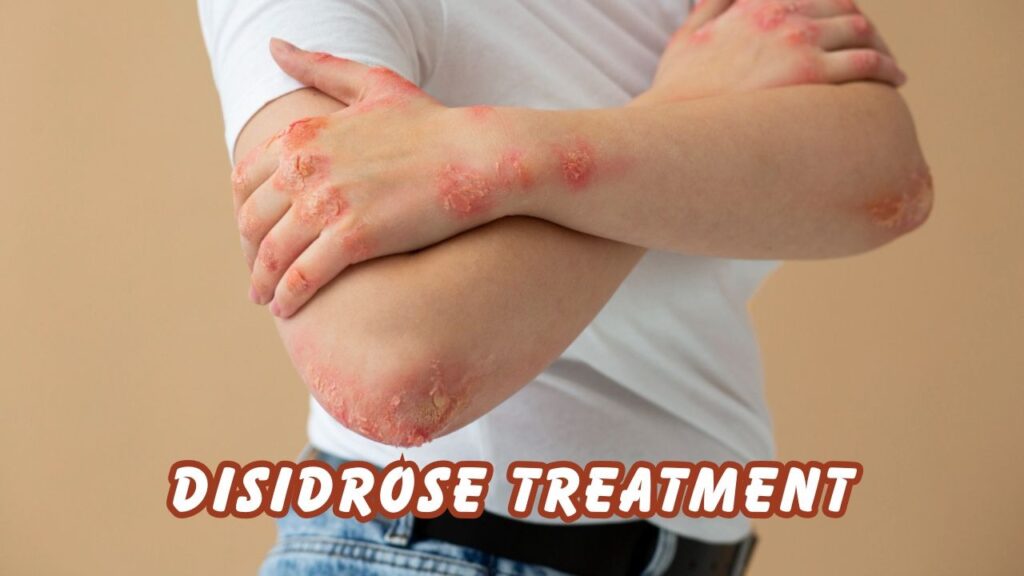
What Is Dyshidrotic Eczema and Why Does It Occur
Dyshidrotic eczema, commonly called pompholyx, is a chronic skin condition characterized by small, fluid-filled blisters on the palms, fingers, and soles of feet. Understanding this condition is the first step toward effective disidrose treatment.
Common Causes and Triggers
Several factors can trigger flare-ups and worsen symptoms. Identifying your personal triggers helps create a targeted approach to healing.
- Allergic reactions to metals like nickel or cobalt
- Exposure to harsh chemicals and detergents
- Stress and anxiety during difficult life periods
- Seasonal changes, especially spring and summer
- Fungal infections affecting the skin
- Excessive sweating on hands and feet
The condition affects people of all ages but commonly appears between ages 20 and 40. Women experience it slightly more often than men.
Medical Options for Treating Dyshidrotic Eczema
When home care isn’t enough, medical intervention becomes necessary. A dermatologist can recommend several proven approaches for disidrose treatment based on severity.
Topical Corticosteroid Creams
Corticosteroid creams remain the first line defense against painful blisters. These prescription medications reduce inflammation quickly and provide relief within days.
Your doctor may prescribe different strengths depending on blister location. Hands often require stronger formulations than feet due to thicker skin. Apply as directed and never exceed recommended usage periods.
Oral Medications and Antihistamines
For moderate to severe cases, oral medications offer systemic relief. Antihistamines help control itching, especially at night when symptoms often worsen.
Doctors sometimes prescribe oral steroids for severe flare-ups. These provide rapid improvement but aren’t suitable for long-term use due to potential side effects.
Phototherapy Treatment
UV light therapy works well for stubborn cases that don’t respond to creams. This disidrose treatment involves exposing affected areas to controlled ultraviolet light sessions.
Most patients need multiple sessions over several weeks. Results can be impressive, with many experiencing significant clearing and extended remission periods.
Effective Home Remedies and Natural Approaches
Many people prefer starting with gentler methods before trying prescription options. These natural treatments often complement medical care beautifully.
Soaking and Moisturizing Techniques
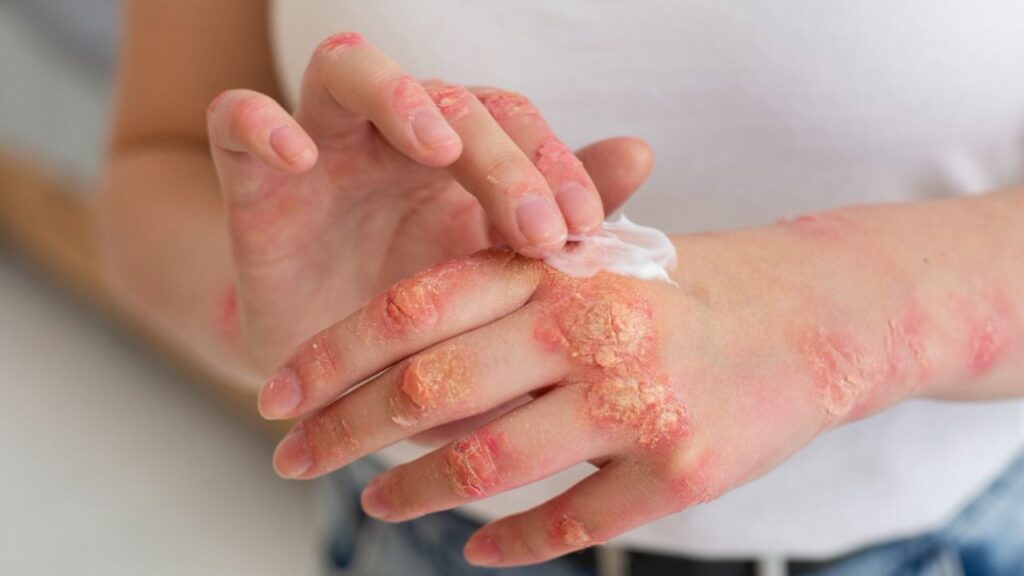
Cold compresses applied for 15 minutes several times daily reduce itching dramatically. Follow each soak with a thick moisturizer to lock in hydration.
- Soak hands in cool water with colloidal oatmeal
- Pat dry gently without rubbing
- Apply fragrance-free emollient immediately
- Wear cotton gloves overnight for deeper absorption
Petroleum jelly and ceramide-based creams work exceptionally well for rebuilding the damaged skin barrier.
Dietary Changes and Supplements
Some people notice improvement after eliminating certain foods. Nickel-rich foods like chocolate, nuts, and canned goods may trigger reactions in sensitive individuals.
Omega-3 fatty acids from fish oil support overall skin health. Probiotics also show promise in managing eczema symptoms by improving gut health.
Prevention Strategies for Long-Term Relief
Preventing flare-ups is just as important as treating active symptoms. Consistent skincare routines make a significant difference in outbreak frequency.
Protecting Your Hands Daily
Wear waterproof gloves when washing dishes or cleaning. Cotton liners underneath prevent sweating, which can worsen symptoms.
Avoid direct contact with irritating substances. Switch to gentle, fragrance-free soaps and detergents for all household use.
Managing Stress Effectively
Since stress triggers many cases, incorporating relaxation techniques supports disidrose treatment success. Regular exercise, meditation, and adequate sleep all help manage anxiety levels.
Consider keeping a symptom diary to identify patterns between stress and flare-ups. This awareness empowers better prevention strategies.
When to Seek Professional Help
Don’t hesitate to consult a dermatologist if symptoms persist beyond two weeks of home care. Signs of infection, including increased pain, warmth, or pus, require immediate medical attention.
Recurring episodes benefit from professional evaluation. Your doctor can identify underlying causes and create a personalized disidrose treatment plan that addresses your specific triggers.
Modern medicine offers excellent options for managing this challenging condition. With patience and the right approach, most people achieve significant improvement and enjoy comfortable, healthy skin again.
Conclusion
Living with dyshidrotic eczema doesn’t have to control your life. Effective disidrose treatment combines medical interventions like topical corticosteroids and phototherapy with practical home remedies and lifestyle adjustments. Understanding your personal triggers, maintaining consistent skincare routines, and managing stress levels all contribute to lasting relief.
Whether you choose natural treatments or prescription medications, patience remains essential throughout the healing process. Don’t hesitate to consult a dermatologist for persistent symptoms or recurring flare-ups. With the right approach and proper disidrose treatment, you can achieve healthier, blister-free skin and regain comfort in your daily activities.