
Have you ever wondered why anxiety makes me so tired even when I’ve done nothing physically demanding? For years, I struggled with overwhelming fatigue that seemed to have no logical explanation. Every morning felt like climbing a mountain, and by afternoon, my energy reserves were completely depleted. Through extensive research and personal experience, I discovered the profound connection between mental health and physical exhaustion.
This chronic tiredness isn’t just in our heads it’s a real physiological response to constant worry and stress. In this article, I’ll share my journey of understanding why anxiety causes extreme fatigue, how emotional exhaustion manifests in our bodies, and the practical strategies that helped me break free from the relentless cycle of anxious thoughts draining my energy. Whether you’re experiencing sleep problems, mental fatigue, or burnout from persistent worry, you’ll discover evidence-based insights that finally make sense of why anxiety makes me so tired every single day.
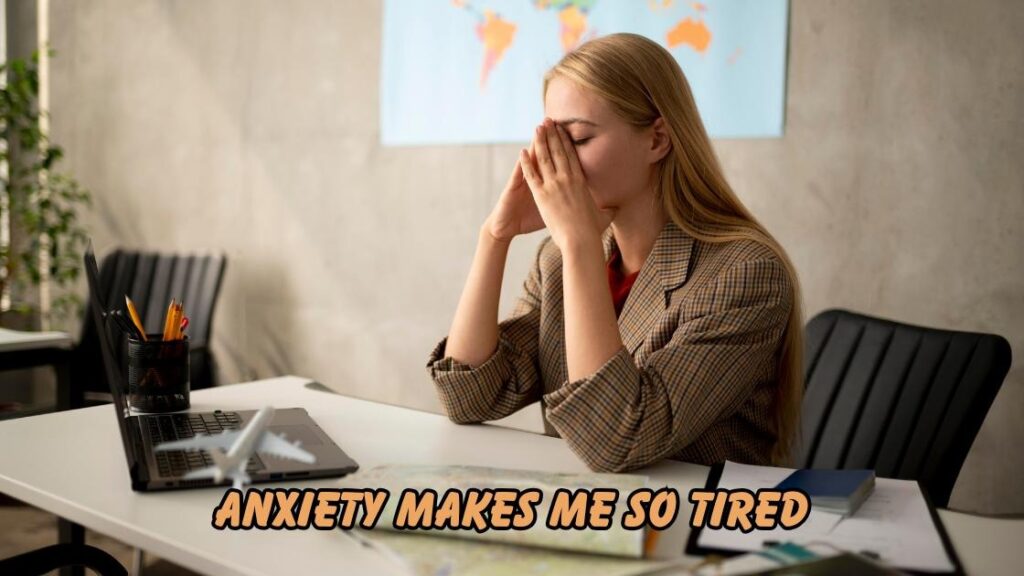
The Science Behind Why Anxiety Makes Me So Tired
When I first started experiencing debilitating fatigue, I couldn’t understand the connection between my racing thoughts and physical exhaustion. The reality is that anxiety makes me so tired because it triggers a complex cascade of physiological responses in our bodies. When we experience anxious feelings, our brain activates the fight-or-flight response, flooding our system with stress hormones like cortisol and adrenaline. This constant state of heightened alert mode is incredibly energy-intensive, draining our mental and physical reserves even when we’re sitting still.
Understanding the Mental Exhaustion Connection
Mental fatigue from anxiety isn’t just feeling sleepy it’s a profound depletion of cognitive resources. My brain was working overtime processing worried thoughts, catastrophic scenarios, and perceived threats that didn’t actually exist. This chronic worry creates what experts call “cognitive load,” where our minds become so overwhelmed with anxious thinking that simple tasks feel impossible. The emotional drain of managing persistent fear and stress leaves little energy for daily activities, work responsibilities, or social interactions.
How Anxiety Disrupts Sleep and Energy Levels
One of the most frustrating discoveries in my journey was learning how anxiety makes me so tired by destroying sleep quality. Even when I managed to fall asleep, my rest was fragmented and unrefreshing. Anxiety causes hyperarousal, keeping our nervous system activated when it should be winding down for restorative sleep.
The Vicious Cycle of Sleep Problems and Anxiety
- Anxious thoughts prevent falling asleep quickly, leading to prolonged time awake in bed
- Worry about not sleeping creates additional stress, making relaxation even more difficult
- Poor sleep quality reduces our ability to manage stress the following day
- Increased daytime fatigue leads to more anxiety about functioning and productivity
- The cycle repeats, with each night of disrupted sleep compounding exhaustion levels
This relentless pattern explained why anxiety makes me so tired regardless of how many hours I spent in bed. Quality matters far more than quantity when it comes to restorative rest.
Physical Symptoms That Compound Fatigue
Beyond sleep disturbances, I experienced numerous physical manifestations that intensified my exhaustion. Anxiety creates muscle tension throughout the body, particularly in the neck, shoulders, and jaw. Maintaining this constant tension requires significant energy expenditure. I also dealt with rapid heartbeat, shallow breathing, and digestive issues all of which diverted my body’s resources away from normal functioning.
The Role of Chronic Stress Hormones
When cortisol levels remain elevated for extended periods, our bodies enter a state of burnout. This hormonal imbalance affects everything from metabolism to immune function. The adrenal fatigue I experienced made even basic tasks feel overwhelming, creating a state where anxiety makes me so tired that getting out of bed became a major accomplishment.

Breaking Free: Strategies That Actually Worked
Understanding why anxiety makes me so tired was only the first step. I needed practical solutions to reclaim my energy and quality of life. Through trial and error, I discovered several evidence-based approaches that made a genuine difference.
Effective Energy Management Techniques
- Implementing cognitive behavioral therapy techniques to challenge anxious thought patterns daily
- Practicing progressive muscle relaxation to release physical tension accumulated throughout the day
- Establishing consistent sleep hygiene routines that signal my body when to rest
- Incorporating gentle movement like walking or yoga to regulate stress hormones naturally
- Setting boundaries around energy-draining activities and learning to prioritize self-care without guilt
These strategies didn’t eliminate my anxiety overnight, but they significantly reduced how much anxiety makes me so tired on a daily basis. I learned that managing chronic fatigue requires addressing both the mental health aspects and the physical symptoms simultaneously.
The Importance of Professional Support
While self-help strategies provided relief, working with healthcare professionals was crucial in my recovery journey. A therapist helped me identify underlying anxiety triggers and develop healthy coping mechanisms. My doctor ruled out other medical conditions that could contribute to extreme fatigue and discussed treatment options tailored to my specific needs. This comprehensive approach addressed why anxiety makes me so tired from multiple angles, creating sustainable improvements in both my mental wellbeing and energy levels over time.
Conclusion
Understanding why anxiety makes me so tired transformed my approach to managing both mental health and chronic fatigue. The intricate connection between stress hormones, disrupted sleep patterns, and emotional exhaustion reveals that this overwhelming tiredness is a legitimate physical response, not personal weakness. By addressing anxious thoughts through therapy, implementing proper sleep hygiene, and seeking professional support, I’ve regained control over my energy levels and overall wellbeing. If anxiety makes me so tired resonates with your experience, remember that relief is possible. You deserve compassionate care, effective treatment strategies, and the energy to live fully. Taking that first step toward understanding and healing can break the exhausting cycle of worry and fatigue permanently.