
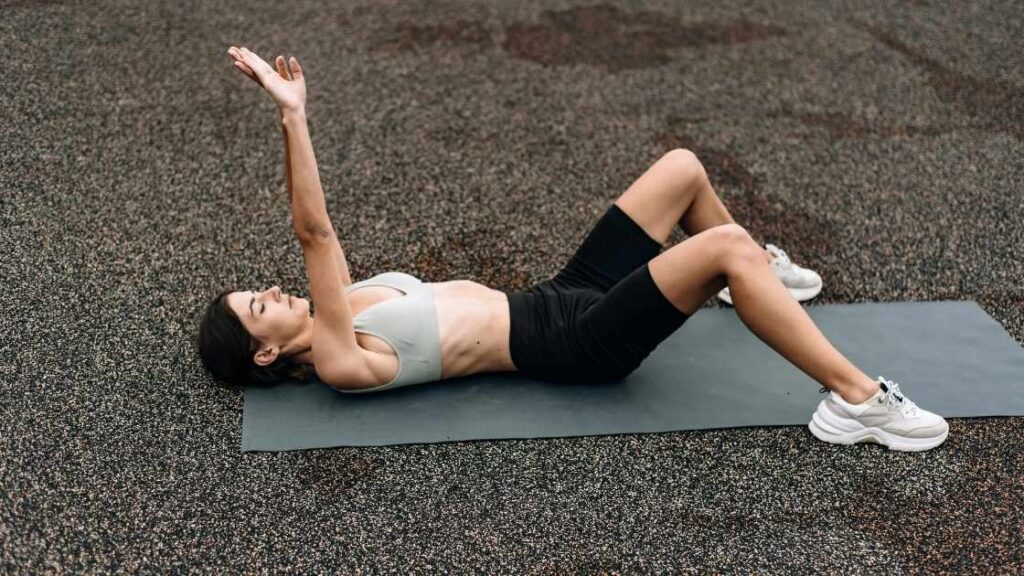
Physical grounding exercises are body-centered strategies that bring your awareness back to the present moment by engaging your senses, muscles, and breath. When anxiety or emotional distress takes over, these techniques act as an emergency reset button for your nervous system.
The scale of the problem is staggering. According to the World Health Organization, approximately 359 million people globally were affected by anxiety disorders in 2021 making anxiety the most prevalent mental health condition worldwide. Even more concerning, only about 27.6% of those who need treatment actually receive any form of care. That access gap makes self-directed coping tools not just helpful but genuinely essential.
This guide covers seven clinically supported techniques, explains the neuroscience behind why they work, and provides practical guidance for specific populations including trauma survivors, students, and children. Every recommendation below is backed by peer-reviewed research and real-world clinical application.
Table of Contents
How Grounding Techniques Calm Your Nervous System
Your body has two competing control systems. The sympathetic branch triggers the stress response rapid heartbeat, shallow breathing, muscle tension, racing thoughts. The parasympathetic branch does the opposite it slows your pulse, deepens your breathing, and restores calm.
A 2024 study published in Critical Care and Exploration (Wolfe et al.) demonstrated that body-based mindfulness methods produced measurable increases in parasympathetic nervous system activity while simultaneously lowering stress biomarkers in clinical participants. In practical terms, engaging your senses sends a safety signal to your brain, which then dials down the fight-or-flight alarm.
A 2025 paper in SAGE Journals (Hammond & Brown) further confirmed that sensory processing remains intact even during dissociative episodes meaning body-focused techniques remain effective precisely when cognitive strategies fail. This is why therapists consistently prioritize somatic approaches for clients experiencing trauma flashbacks, panic attacks, or severe emotional dysregulation.
7 Effective Grounding Techniques for Anxiety and Stress Relief
1. The 5-4-3-2-1 Sensory Awareness Technique
Identify five things you see, four sounds you hear, three textures you can touch, two scents you notice, and one taste in your mouth. This structured countdown occupies your prefrontal cortex and interrupts the anxiety feedback loop.
A 2025 study in the Journal of Professional Nursing (Scott, Duncan & McCoy) tested this approach on nursing students facing exam anxiety. High anxiety prevalence dropped from 23% to just 4% after a single educational session on this method.
2. Progressive Muscle Relaxation (PMR)
Tense each muscle group deliberately for five to ten seconds, then release slowly. Work through your body systematically fists, forearms, shoulders, face, core, thighs, calves, and feet.
A 2024 systematic review covering 46 studies across 16 countries and over 3,400 participants (Liu et al.) found that PMR effectively reduces anxiety, stress, and depressive symptoms across widely varied populations and clinical settings.
3. Controlled Breathwork and Vagal Stimulation
Inhale slowly through your nose for four counts, pause for one to two counts, then exhale through your mouth for six to eight counts. Repeat this cycle five to ten times.
A 2023 meta-analysis in Scientific Reports (Fincham et al.) reviewed twelve randomized controlled trials and concluded that structured breathing interventions meaningfully reduce self-reported anxiety, with effects comparable to some established therapeutic protocols.
4. Barefoot Earthing and Nature Contact
Walking barefoot on grass, soil, or sand creates direct contact between your skin and the earth’s surface. Research published by Koniver (2024) through the European Society of Medicine found that earthing immediately lowers muscle tension, regulates heart rate, and promotes calmer brain wave patterns.
A separate 2024 study in the Korean Journal of Physiology and Pharmacology (Kim et al.) also observed improved cognitive performance in adolescents who practiced barefoot walking regularly.
5. Body Scan Meditation
Starting from the crown of your head, slowly move your attention downward through every region of your body forehead, jaw, neck, shoulders, chest, abdomen, hips, legs, feet. Simply notice sensations without trying to change them.
The same 2024 Critical Care and Exploration study (Wolfe et al.) found that body scan practice produced the strongest changes across all measured heart rate variability parameters meaning it had the most potent calming effect on the autonomic nervous system among the methods tested.
6. Cold Water and Temperature-Based Grounding
Holding an ice cube, splashing cold water on your wrists, or pressing a chilled object against your neck creates a sharp sensory signal that pulls attention away from emotional overwhelm. This approach draws on the mammalian dive reflex, which naturally lowers heart rate when cold stimulates facial nerves.
According to the SAMHSA Treatment Improvement Protocol, somatosensory techniques like these are recommended as frontline interventions for behavioral health providers working with trauma-affected clients.
7. Somatic Grounding Through Tactile Objects
Squeeze a stress ball, rub textured fabric between your fingers, roll a smooth stone in your palm, or press your feet firmly into the floor. These deliberate touch-based actions create a sensory anchor that reconnects you with your immediate environment.
Psychology Tools, a widely used clinical resource platform, categorizes tactile grounding among its most recommended strategies for managing PTSD-related dissociation and severe anxiety episodes.
Grounding Techniques Comparison: Choosing the Right Method
| Technique | Time Required | Best Application | Setting | Works For |
| 5-4-3-2-1 Sensory Method | 2–3 min | Panic attacks, sudden anxiety | Anywhere (discreet) | All ages |
| Progressive Muscle Relaxation | 10–15 min | Chronic tension, insomnia | Quiet space | Teens & adults |
| Controlled Breathwork | 3–5 min | Pre-event nerves, daily stress | Anywhere | All ages |
| Barefoot Earthing | 10–20 min | General well-being, mood | Outdoors | All ages |
| Body Scan Meditation | 5–15 min | Deep relaxation, sleep prep | Quiet space | Teens & adults |
| Cold Water / Temperature | 30–60 sec | Acute distress, flashbacks | Near water source | Teens & adults |
| Tactile Object Grounding | 1–3 min | Dissociation, classroom use | Anywhere | All ages, especially children |
How to Ground Yourself During a Panic Attack
When panic hits, your thinking brain essentially goes offline. The key is to act on autopilot with a rehearsed technique. Press your feet hard into the floor and notice the pressure. Squeeze something cold or textured. Count backward from ten while focusing on one specific sound in your environment.
According to Healthline, starting a grounding method at the earliest sign of distress rather than waiting until panic peaks dramatically improves its effectiveness. Practice during calm moments so the response becomes automatic when you need it most.
Grounding Exercises for PTSD and Trauma Recovery
Trauma survivors often experience flashbacks and dissociative episodes where the past feels more real than the present. Physical grounding exercises are considered frontline tools in trauma-informed care because they bypass cognitive processing and work directly through the body’s sensory system.
Dr. Peter Levine, the founder of Somatic Experiencing therapy, built his entire framework around the principle that trauma lives in the body and must be released through body-based interventions not talk alone. Clinical approaches like pendulation (oscillating between discomfort and comfort) and titration (processing trauma in small doses) rely heavily on grounding as their foundation.
A 2025 study published in Sembilanpemuda Journal also found that group counseling incorporating grounding strategies significantly reduced social anxiety among adolescents, with statistical significance confirmed at p = 0.012.
Grounding Techniques for Children and Students
Children respond especially well to sensory-based calming methods because their developing brains are naturally attuned to physical exploration. Simple adaptations include asking a child to name three colors they see, hold a favorite stuffed animal tightly, or press their palms together and notice the warmth.
School counselors increasingly integrate these body-anchoring strategies into classroom routines. The SAMHSA TIP Series recommends somatosensory techniques like toe-wiggling and chair-touching as accessible interventions that any educator or caregiver can facilitate no clinical training required.
Grounding vs. Mindfulness: Understanding the Difference
Both approaches share the goal of present-moment awareness, but they operate differently. Mindfulness encourages observing thoughts and feelings without judgment a cognitive skill that requires some mental bandwidth. Grounding prioritizes immediate sensory engagement to stabilize the nervous system before cognitive processing can even begin.
As Hammond & Brown (2025) explain in their SAGE Journals research, sensory grounding remains effective even when cognitive resources are compromised during dissociative states a situation where mindfulness alone may fall short. In clinical practice, therapists often use grounding first to establish safety, then transition into mindfulness for deeper emotional processing.

When to Seek Professional Help
Physical grounding exercises are powerful self-help tools, but they are not a substitute for professional treatment. If you find yourself relying on grounding techniques multiple times daily, experiencing frequent panic attacks, or struggling with trauma flashbacks that interfere with work and relationships, consulting a licensed mental health professional is the appropriate next step.
The WHO emphasizes that anxiety disorders are highly treatable conditions, and combining self-directed strategies with professional guidance produces the strongest outcomes.
Conclusion
Physical grounding exercises offer some of the most accessible, research-validated tools available for managing anxiety, panic, trauma responses, and everyday stress. From the 5-4-3-2-1 sensory method to somatic grounding through tactile objects, each approach works by reconnecting your body and brain to the safety of the present moment.
The evidence is consistent across multiple studies: these techniques activate your parasympathetic nervous system, reduce cortisol and muscle tension, improve heart rate variability, and restore cognitive clarity often within minutes. They work for students facing exam pressure, clinicians managing workplace stress, trauma survivors navigating flashbacks, and children learning emotional regulation for the first time.
Start with one technique today. Practice it for just two minutes in a calm setting. Build that muscle memory so it activates automatically when you need it most. And if this guide helped you, share it with someone who could use a simple, science-backed way to find calm because the best coping tools are the ones that actually reach the people who need them.
What are physical grounding exercises and why do therapists recommend them?
These are body-focused techniques that use sensory engagement touch, sight, sound, temperature, movement to bring your attention back to the present moment during anxiety or emotional overwhelm. Therapists recommend them because research, including a 2024 study in Critical Care and Exploration, shows they produce measurable reductions in physiological stress markers by activating the parasympathetic nervous system. They require no equipment, cost nothing, and can be practiced anywhere.
How quickly do grounding methods reduce anxiety symptoms?
Most people experience noticeable calming effects within two to five minutes of focused practice. Techniques like controlled breathwork and the 5-4-3-2-1 sensory method are specifically designed for rapid relief during acute episodes. Consistency over time also builds long-term emotional resilience, making future episodes less intense and easier to manage.
Can I practice sensory-based calming techniques at work or school without being noticed?
Absolutely. Many approaches are completely invisible to others. Pressing your feet firmly into the floor, slowly rubbing your fingertips together, squeezing a small object in your pocket, or doing controlled breathing through your nose all deliver meaningful relief without drawing any attention. These discreet strategies are widely used in classrooms and professional environments.
What is the difference between grounding, earthing, and mindfulness?
Grounding is the broad therapeutic term for any technique that anchors you in the present through sensory engagement. Earthing is a specific subset that involves direct skin contact with the earth’s surface, which research suggests offers unique physiological benefits like reduced muscle tension. Mindfulness focuses on non-judgmental observation of thoughts and feelings a cognitive approach. Grounding tends to work faster during acute distress because it engages the senses directly rather than requiring mental processing.
Are grounding techniques effective for PTSD and trauma flashbacks?
Yes. Body-based grounding is considered a frontline intervention in trauma-informed care. The SAMHSA Treatment Improvement Protocol specifically recommends somatosensory techniques for managing dissociation and flashbacks. Dr. Peter Levine’s Somatic Experiencing framework also uses grounding as the foundation for all trauma processing work. However, these techniques complement professional therapy they do not replace it for complex trauma conditions.
Which grounding technique should a complete beginner start with?
The 5-4-3-2-1 sensory awareness method is the most widely recommended starting point. It requires zero training, takes under three minutes, and works in any environment. A 2025 study in the Journal of Professional Nursing found it dramatically reduced anxiety prevalence among participants who had never practiced grounding before from 23% high anxiety to just 4% after learning the technique.