
Collagen booster fruits supply the essential cofactors your body relies on to manufacture its most important structural protein. If your complexion has started losing its firmness or fine lines are multiplying faster than you expected, what you eat each morning could matter more than the serum you apply each night.
I have spent the past three years tracking how dietary shifts affect my own skin. After switching from processed snacks to daily servings of kiwi, berries, and papaya, I noticed measurably smoother texture and fewer dry patches within about six weeks. That personal observation sent me down a research rabbit hole and the science strongly supports what I experienced firsthand.
Table of Contents
How Your Body Builds and Loses Collagen Over Time
Collagen constitutes roughly 30% of the total protein in the human body and forms the structural framework that keeps skin plump, joints flexible, and connective tissues resilient. According to a peer-reviewed article in Plastic and Aesthetic Research (Reilly & Lozano, 2021), fibroblast activity slows from early adulthood, resulting in a collagen synthesis decline of approximately 1.0–1.5% annually after your mid-twenties.
That gradual erosion adds up significantly over decades. By your forties, research indicates you may have already lost 20–30% of the dermal collagen you had at age twenty. A dermatology overview published in Scientific American (Baumann, 2024) explains that this thinning process leaves skin increasingly fragile, with diminished elasticity and visible wrinkling.
Understanding this timeline is critical because it reveals a window for prevention. The earlier you support natural collagen formation through nutrition, the more structural integrity you preserve long-term.
Why Vitamin C Is Non-Negotiable for Skin Firmness
Your body cannot assemble stable collagen molecules without ascorbic acid. Vitamin C functions as an indispensable cofactor for prolyl hydroxylase and lysyl hydroxylasetwo enzymes that stabilize the triple-helix structure that gives collagen its tensile strength. A systematic review published in The Orthopaedic Journal of Sports Medicine (DePhillipo et al., 2018) confirmed that vitamin C supplementation enhanced type I collagen synthesis while simultaneously reducing oxidative stress markers.
Beyond its manufacturing role, vitamin C also protects existing fibers from degradation. A laboratory study in Scientific Reports (Nature, 2020) demonstrated that topical vitamin C application significantly thickened the epidermis and increased collagen III production in human skin samples within just ten days.
These findings highlight a simple principle: consistent vitamin C intake from whole fruits gives your body both the raw catalyst for new collagen and the antioxidant shield to protect what already exists.
The 10 Best Fruits That Stimulate Collagen Synthesis Naturally
Not all produce delivers equal skin benefits. The following ranking draws from nutrient values reported by USDA FoodData Central and MyFoodData, combined with research on specific phytonutrients that influence collagen metabolism.
| Fruit | Vitamin C (per serving) | Primary Skin-Active Compounds | % Daily Value |
| Guava (1 medium) | ~125 mg | Lycopene, dietary fiber, potassium | 139% |
| Blackcurrants (1 cup) | ~203 mg | Anthocyanins, gamma-linolenic acid | 226% |
| Lychee (1 cup) | ~136 mg | Copper, polyphenols, B-vitamins | 151% |
| Kiwifruit (1 medium) | ~56 mg | Vitamin E, lutein, zeaxanthin | 62% |
| Strawberries (1 cup) | ~89 mg | Ellagic acid, anthocyanins | 99% |
| Papaya (1 cup, cubed) | ~88 mg | Papain enzyme, beta-carotene | 98% |
| Pineapple (1 cup) | ~79 mg | Bromelain, manganese | 88% |
| Orange (1 medium) | ~70 mg | Hesperidin, flavonoids | 78% |
| Grapefruit (1 cup) | ~72 mg | Naringenin, limonoids | 80% |
| Mango (1 cup, sliced) | ~60 mg | Vitamin A, polyphenols | 67% |
This comparison reveals that lesser-known options like blackcurrants, lychee, and guava dramatically outperform oranges on a per-serving basisyet they rarely appear in mainstream skin-health advice.
Berries: Nature’s Most Concentrated Anti-Aging Weapons
Berries occupy a unique position among fruits that increase collagen because they deliver both high vitamin C and potent anthocyanins simultaneously. Strawberries provide roughly 89 mg of ascorbic acid per cupmore than a medium-sized orangemaking them one of the most accessible skin-supporting snacks.
Research published in Nutrients (Nanashima et al., 2018) found that blackcurrant anthocyanins significantly elevated collagen types I and III, elastin, and hyaluronic acid levels in human skin fibroblasts. This was the first study to demonstrate phytoestrogenic skin benefits from berry-derived compounds.
A 2024 review in Foods (MDPI, 2024) further confirmed that anthocyanins repair photoaged skin through multiple mechanisms: lowering oxidative stress, calming inflammatory responses, boosting collagen synthesis, and reducing UV-induced DNA damage. Blueberries, raspberries, and blackberries each bring slightly different antioxidant profiles, so rotating varieties throughout the week maximizes these protective effects.
Tropical and Citrus Varieties for Skin Elasticity and Cell Renewal
Papaya stands apart among tropical collagen-supporting fruits because it contains papain, a proteolytic enzyme that assists in clearing damaged proteins and encouraging fresh cell turnover. One cup delivers approximately 98% of your recommended daily vitamin Cnearly a full day’s requirement from a single serving.
Kiwifruit may offer the best nutrient-to-size ratio of any option available. According to the NIH Office of Dietary Supplements, a single medium kiwi covers over 60% of the daily value for vitamin C, alongside meaningful amounts of vitamin E and the carotenoid lutein, both of which contribute to skin hydration and UV resilience.
Citrus fruits like oranges and grapefruits remain foundational choices for maintaining steady ascorbic acid levels. Their flavonoidshesperidin in oranges, naringenin in grapefruitenhance vitamin C absorption while providing independent antioxidant protection. The key is daily consistency rather than occasional large doses, because water-soluble vitamin C cannot be stored in the body for later use.
Habits That Silently Destroy Your Collagen
Eating the right fruits is only half the equation. Certain everyday habits accelerate collagen breakdown faster than your diet can rebuild it.
Excessive sugar intake triggers a damaging process called glycation. According to a study in Clinics in Dermatology (Danby, 2010), glucose and fructose molecules bond directly to amino acids within collagen and elastin, forming compounds known as advanced glycation end products (AGEs). These AGEs permanently cross-link collagen fibers, making them stiff, brittle, and resistant to natural repair. Research in Skin Therapy Letter (Nguyen & Katta, 2015) found that tight glycemic control over four months reduced glycated collagen formation by 25%.
Unprotected UV exposure is the other major offender. A 2025 systematic review in Cosmetics (MDPI, 2025) analyzing eleven clinical studies confirmed that UV radiation degrades type I collagen and amplifies the activity of matrix metalloproteinasesenzymes that actively dismantle collagen fibers. Smoking further compounds this damage by constricting blood flow and starving fibroblasts of oxygen.
The practical takeaway is straightforward: pairing a collagen-supportive diet with reduced sugar intake, consistent sunscreen use, and smoke-free living creates the strongest possible foundation for long-term skin resilience.
Practical Strategies to Get More Skin-Nourishing Fruits Daily
Building a collagen-friendly eating pattern does not require complicated meal plans or expensive superfoods. These evidence-based strategies make it simple:
- Start mornings with a smoothie combining frozen mixed berries, half a kiwi, and a squeeze of fresh orange juice this single drink covers well over 100% of your daily vitamin C needs

- Swap processed afternoon snacks for sliced guava, mango, or a handful of strawberries paired with almonds for improved fat-soluble nutrient absorption
- Choose raw or lightly prepared fruit whenever possible, since heat destroys up to half of the vitamin C content according to USDA guidance
- Keep frozen berries and tropical fruits stocked year-round, as flash-freezing preserves nutrient density at levels comparable to fresh produce
- Combine vitamin-C-rich fruits with iron-containing plant foods like spinach and lentilsthis pairing can enhance non-heme iron absorption by up to 300%
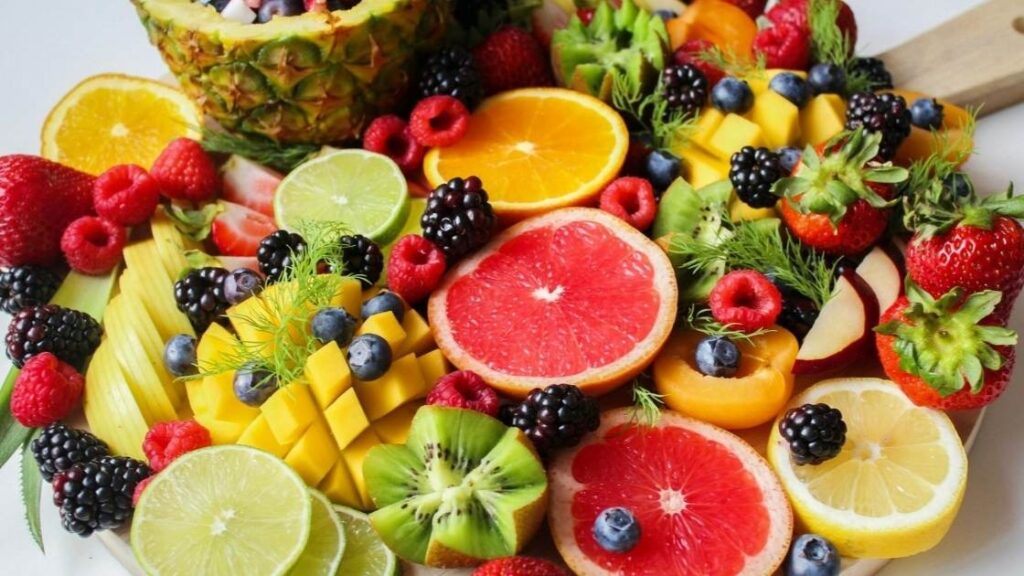
- Eat a rainbow of fruit colors weekly (red strawberries, orange papaya, purple blackcurrants, green kiwi) to capture the widest possible range of phytonutrients, flavonoids, and carotenoids
These small, repeatable habits compound over weeks into measurable improvements in skin texture, hydration, and overall radiance.
Conclusion
Rebuilding and protecting your skin’s structural foundation does not demand costly supplements or elaborate routines. A consistent daily intake of vitamin-C-dense fruitsfrom powerhouses like guava and blackcurrants to everyday favorites like strawberries and orangesgives your body the precise nutrients it needs to synthesize fresh collagen and shield existing fibers from environmental damage. When you combine these collagen booster fruits with lower sugar consumption, reliable sun protection, and adequate hydration, the cumulative effect on skin firmness and elasticity becomes significant within weeks.
Start with one achievable change today: replace one processed snack with a cup of mixed berries or a sliced kiwi. Track how your skin responds over the next six to eight weeks. If this guide gave you something useful, share it with a friend who is also exploring natural ways to support youthful, healthy skin from within.
What is the single best fruit for supporting natural collagen production?
Guava consistently ranks at the top because one medium fruit delivers roughly 139% of the daily recommended vitamin C while also providing lycopene and potassium. Its combination of ascorbic acid and antioxidant compounds makes it exceptionally efficient for stimulating collagen synthesis and protecting skin against free radical damage.
Do collagen booster fruits actually contain collagen protein?
Nofruits do not contain collagen itself, which is an animal-derived protein. What they provide are the essential cofactors, particularly vitamin C, that your body requires to manufacture its own collagen internally. Without adequate vitamin C from dietary sources, collagen production stalls regardless of how much protein you consume.
How quickly can dietary changes improve skin firmness and texture?
Skin cells follow a natural turnover cycle of roughly 28 to 40 days, so most people begin noticing visible differences in smoothness and radiance within four to eight weeks of consistent fruit-rich eating. Results depend on individual factors including age, baseline nutrition status, hydration levels, and cumulative sun exposure history.
Can frozen fruits deliver the same skin benefits as fresh ones?
Research supported by USDA data confirms that flash-frozen fruits retain the vast majority of their vitamin C and antioxidant content when processed promptly after harvest. In some cases, frozen produce actually preserves more nutrients than fresh fruit that has traveled long distances or sat on shelves for extended periods before purchase.
What role does sugar play in collagen breakdown?
Excess dietary sugar triggers a chemical process called glycation, where glucose and fructose bond to collagen and elastin fibers, forming advanced glycation end products (AGEs). According to research published in Clinics in Dermatology, these AGEs permanently stiffen and cross-link collagen, making it resistant to natural repair and accelerating visible signs of aging.
Besides vitamin C, what other nutrients support collagen metabolism?
Zinc activates enzymes essential for collagen assembly, copper helps form the cross-links that give collagen structural strength, and vitamin A drives skin cell repair and renewal. Consuming a varied diet that includes fruits, vegetables, nuts, seeds, and lean proteins ensures your body has every micronutrient it needs for robust collagen turnover throughout life.