
AI food waste reduction uses machine learning, computer vision, and predictive analytics to forecast demand, track spoilage, and route surplus food before it ends up in landfills. In short, artificial intelligence helps farmers, supermarkets, restaurants, and even households throw away less and save more, by turning everyday data into smarter decisions about what to buy, cook, and sell.
If you’ve ever tossed limp lettuce or watched a grocery shelf get cleared into a dumpster, you’ve seen the problem AI is now trying to solve at scale. The numbers behind that waste are massive, and so is the opportunity.
Table of Contents
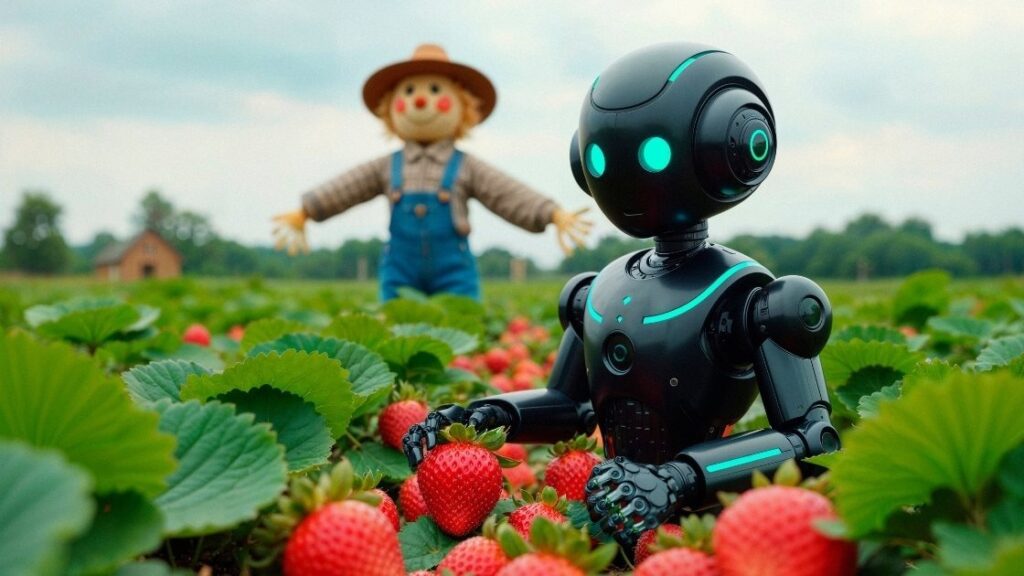
What Is AI Food Waste Reduction?
AI food waste reduction is the use of smart algorithms to predict, prevent, and recover food that would otherwise go uneaten. These systems analyze sales history, weather, expiry dates, and even plate-waste images to tell businesses exactly how much food to order, prepare, or redistribute.
Instead of relying on gut feeling, a restaurant manager gets a clear forecast. Instead of guessing, a supermarket buyer gets a precise reorder amount. That shift from intuition to data is the core of this technology.
Why Food Waste Is Such a Huge Problem
According to the UN Environment Programme’s Food Waste Index Report 2024, households, food service, and retailers together throw out more than one billion meals a day. The Food and Agriculture Organization (FAO) also estimates that roughly a third of all food produced globally is lost or wasted each year.
The damage goes beyond hunger. Food waste contributes to greenhouse gas emissions, wastes freshwater, and costs the global economy hundreds of billions of dollars annually.
Here’s a quick snapshot of where food waste happens most:
| Stage of the Supply Chain | Main Causes of Waste | Typical Share of Total Waste |
| Farms and harvest | Overproduction, cosmetic rejects, labor shortages | ~15–20% |
| Processing and transport | Spoilage, packaging issues, cold-chain failures | ~10% |
| Retail and grocery | Overstocking, short shelf life, display standards | ~13% |
| Restaurants and food service | Over-prep, plate waste, menu miscalculations | ~12% |
| Households | Overbuying, poor storage, confusion over dates | ~40–50% |
Figures drawn from ReFED and UNEP data; shares vary by country.
How AI Actually Reduces Food Waste
AI tackles food waste by turning messy, real-world information into clear actions. It does this in a few practical ways that are already running inside real kitchens, warehouses, and farms today.
1. Demand Forecasting for Grocers and Restaurants
Machine learning models study years of sales data, local events, holidays, and even weather forecasts to predict demand down to a single product and a single day. Companies like Afresh and Shelf Engine use this approach to help US grocers order fresher produce in the right quantities, which cuts shrinkage significantly.
When a store knows it will sell 42 heads of romaine on Thursday, not 70, it simply buys 42.
2. Computer Vision in Commercial Kitchens
Smart cameras mounted over kitchen bins can identify exactly what’s being thrown away, how much it weighs, and what it cost. Winnow, a UK-based company used by hotels and cruise lines, reports that its AI tools help chefs cut food waste by around half within a year of installation.
3. Smart Inventory and Expiry Tracking
AI food waste reduction tools also keep a close eye on what’s sitting in storage. Sensors, barcode scanners, and cloud dashboards track expiry dates in real time, then nudge staff to use older stock first or mark items down before they spoil.
Platforms like Too Good To Go and Flashfood take this a step further by connecting near-expiry food with nearby shoppers at steep discounts, which keeps edible meals out of landfills.
4. Precision Farming and Harvest Optimization
On the farm side, AI-powered drones and satellite imagery help growers spot diseased crops, irrigation issues, and the best harvest windows. John Deere and similar agri-tech firms use computer vision to separate ripe produce from unripe in real time, which lowers post-harvest losses.
Better timing in the field means less rotting produce later in the chain.
5. AI-Powered Redistribution to Food Banks
Nonprofits like Copia and Olio use matching algorithms to link surplus food from businesses with shelters, food banks, and neighbors in need. The AI handles logistics such as pickup times, allergens, and routing, so donations actually arrive fresh.
This turns waste into meals within hours instead of days.
Real Benefits of Using AI to Cut Food Waste
Quick answer: AI food waste reduction lowers costs, shrinks carbon emissions, improves freshness, supports ESG goals, and helps feed more people with the same supply.
The benefits usually show up in three buckets: financial, environmental, and social. According to Boston Consulting Group research on food loss, smarter supply chains could recover tens of billions of dollars in value each year worldwide.
- Lower costs: Stores spend less on unsold stock and disposal fees.
- Greener footprint: Less methane from landfills and less wasted water.
- Better customer experience: Fresher shelves and fewer stockouts.
- Stronger brand trust: Shoppers increasingly prefer sustainable brands, as noted in NielsenIQ sustainability studies.
- More meals rescued: Redistribution apps move food to people, not dumpsters.
Challenges and Limitations to Keep in Mind
AI is powerful, but it is not a magic fix. Small restaurants and independent grocers often struggle with the upfront cost of sensors, software licenses, and staff training.
Data quality is another hurdle. If sales records or inventory logs are messy, even the best algorithm will produce shaky forecasts. Privacy, integration with older POS systems, and change management inside teams can also slow adoption.
Experts from McKinsey & Company point out that technology works best when paired with clear processes and committed leadership, not as a standalone fix.
Practical Tips to Start Using AI for Food Waste Reduction
You don’t need a massive budget to begin. Even small operators can pilot smart tools in a few weeks.
- Start by tracking waste manually for two weeks to get a baseline.
- Pick one AI tool that fits your size, like Winnow for kitchens or Afresh for produce.
- Connect it with your POS or inventory system for real data flow.
- Train staff to trust the forecasts instead of overriding them out of habit.
- Review results monthly and adjust menus, portion sizes, or order volumes.
- Partner with a local food rescue app to donate whatever surplus remains.
Households can play too. Apps like Kitche and NoWaste scan receipts, track fridge contents, and suggest recipes based on what is about to expire.

The Future of AI in the Fight Against Food Waste
The next wave is already taking shape. Generative AI is starting to write dynamic menus based on what is in stock, while IoT fridges can reorder milk before it runs out. The World Economic Forum highlights AI as a key lever for meeting the UN’s Sustainable Development Goal of halving food waste by 2030.
Expect tighter links between farms, trucks, stores, and kitchens, all sharing data in real time. When every player in the chain sees the same forecast, overproduction drops naturally.
Conclusion
AI food waste reduction is no longer a futuristic idea. It is a working set of tools that forecasts demand, tracks spoilage, rescues surplus, and pushes the whole food system toward less waste and more value.
Whether you run a restaurant, manage a grocery aisle, farm a few acres, or simply want a tidier fridge at home, smart technology can help you waste less and save more. The earlier you start, the bigger the long-term payoff.
If you found this guide useful, share it with someone who cares about food, sustainability, or smarter business. Drop a comment below with the tool you are most curious to try, and tell us one habit you will change this week to cut food waste in your own kitchen.
1. How does AI reduce food waste in supermarkets?
AI reduces food waste in supermarkets by forecasting demand at the store and product level using sales history, weather, and promotions. It tells buyers exactly how much to order, which cuts overstocking and spoilage of fresh items like produce, dairy, and bakery.
2. Which companies are leading AI food waste reduction?
Winnow, Afresh, Shelf Engine, Too Good To Go, Flashfood, Copia, and Olio are some of the most recognized names. Each focuses on a different slice of the problem, from kitchen analytics to surplus redistribution and consumer discounts.
3. Can AI help reduce food waste at home?
Yes. Consumer apps can scan grocery receipts, track fridge inventory, remind you about expiring items, and suggest recipes to use up leftovers. This simple nudge system helps households cut weekly waste and grocery bills at the same time.
4. Is AI food waste reduction expensive for small businesses?
It can be, but many providers now offer subscription models and pay-as-you-save pricing. Small cafes and independent grocers often recover the cost within months through lower purchasing and disposal expenses.
5. How much food waste can AI actually prevent?
Industry case studies suggest AI tools can cut food waste by 30 to 50 percent in commercial kitchens and retail produce sections. Results depend on data quality, staff adoption, and how well the tool fits the operation.
6. Does reducing food waste with AI help fight climate change?
Yes. Less food waste means fewer methane emissions from landfills and less wasted water, land, and energy used in production. The UN and major climate groups list food waste reduction among the most effective climate actions available today