Taste technologies are quietly reshaping the food on your plate, the drinks in your fridge, and even the plant-based burgers that now fool seasoned meat eaters.
This field sits where neuroscience, data science, and culinary craft overlap. And it is moving fast faster than most consumers realize.
What follows is a grounded breakdown built from peer-reviewed research, respected industry reports, and firsthand testing of AI-paired recipes in our own kitchen.
Table of Contents
What Are Taste Technologies?
Taste technologies describe the tools, sensors, and AI systems used to measure, predict, and recreate how humans perceive flavor. They sit at the crossroads of food science, machine learning, and sensory research.
In plain language, they help answer the question, “Why does this taste good and can we make it taste even better?”
The category includes electronic tongues, flavor-pairing algorithms, biosensor arrays for freshness monitoring, and genomics platforms that map inherited taste preferences.
How Do These Systems Work?
Flavor is not a single signal. Your tongue picks up five core tastes sweet, sour, salty, bitter, and umami but your brain stitches those together with aroma, mouthfeel, temperature, and even sound.
Modern flavor systems approximate that complexity through three connected stages. First, sensors capture chemical information from a food sample. Next, machine learning models compare that profile against large flavor databases. Finally, the system predicts how a typical consumer will react and suggests refinements.
Research shared through the Institute of Food Technologists notes that sensor-driven analysis can pick up subtle chemical differences that human taste panels often miss due to palate fatigue.
In our own informal test, we ran a store-bought marinara through a flavor-pairing tool, which recommended basil and a hint of smoked paprika. The tweaked sauce genuinely tasted more balanced a small but convincing win for algorithmic flavor design.
Real Examples of Taste Technologies in Action
These tools are not a future promise. They already influence products in your grocery cart. Here are five concrete, real-world use cases.
- Recipe invention. IBM’s Chef Watson analyzed thousands of recipes and produced surprising published pairings, such as Indian-inspired turmeric paella.
- Beverage quality control. Sensor arrays help beverage labs catch batch-to-batch variation in coffee, wine, and dairy before off-flavor products reach shelves.
- Healthier reformulation. Algorithms guide food scientists toward lower-sugar or reduced-sodium recipes without gutting flavor, a technique documented across peer-reviewed studies indexed on PubMed.
- Personalized nutrition. Startups tracked by Mintel match meal plans to individual genetic and sensory profiles, improving adherence.
- Plant-based meat. Impossible Foods and competitors have credited molecular flavor analysis for helping them replicate beef using plant compounds.
Types of Flavor Tech Compared
Not every system serves the same purpose. The table below maps the main categories and where they typically appear.
| Technology | Primary Function | Common Users |
| Electronic Tongue | Measures chemical taste compounds | Beverage and dairy labs |
| Flavor AI Engines | Predicts ingredient pairings and blends | R&D teams, recipe developers |
| Biosensor Arrays | Detects freshness and spoilage | Manufacturers, retailers |
| Taste Genomics Platforms | Maps inherited taste sensitivities | Personalized nutrition startups |
| Digital Gastronomy Software | Combines sensory data with culinary creativity | Fine dining, restaurant groups |
Why Taste Technologies Matter for Consumers and Brands
The global flavor and fragrance market is massive. According to figures widely referenced by Grand View Research, it is valued in the tens of billions of dollars each year, with food and beverage as the biggest single segment.
That scale explains the steady flow of venture capital. Reporting from AgFunder shows food-tech funding, even after cooling from its 2021 peak, still commands billions across flavor, alternative protein, and ingredient innovation.
For shoppers, the upside is tangible. Products reach shelves faster, reformulations feel cleaner, and recommendations are more personalized. For brands, the payoff is tighter product-market fit and fewer failed launches. A McKinsey & Company analysis of food-industry digitization argues that companies blending consumer insight with AI-driven formulation will outperform peers on innovation speed and gross margin over the coming decade.
Challenges and Ethical Questions
No emerging technology lands friction-free, and this one is no exception.
Public-health voices cited by outlets such as The Guardian and The New York Times warn that flavor optimization could be used to engineer hyper-palatable junk food, reinforcing obesity trends. That concern deserves honest discussion rather than dismissal.
Other pressure points include data privacy your taste profile is sensitive personal information market concentration, since only large firms can currently afford top-tier flavor labs, and the gradual erosion of regional culinary traditions when algorithms push toward universal appeal. Consumer research from Mintel repeatedly shows that Gen Z shoppers want more transparency around food design, not less.

The Future of Flavor AI and Digital Gastronomy
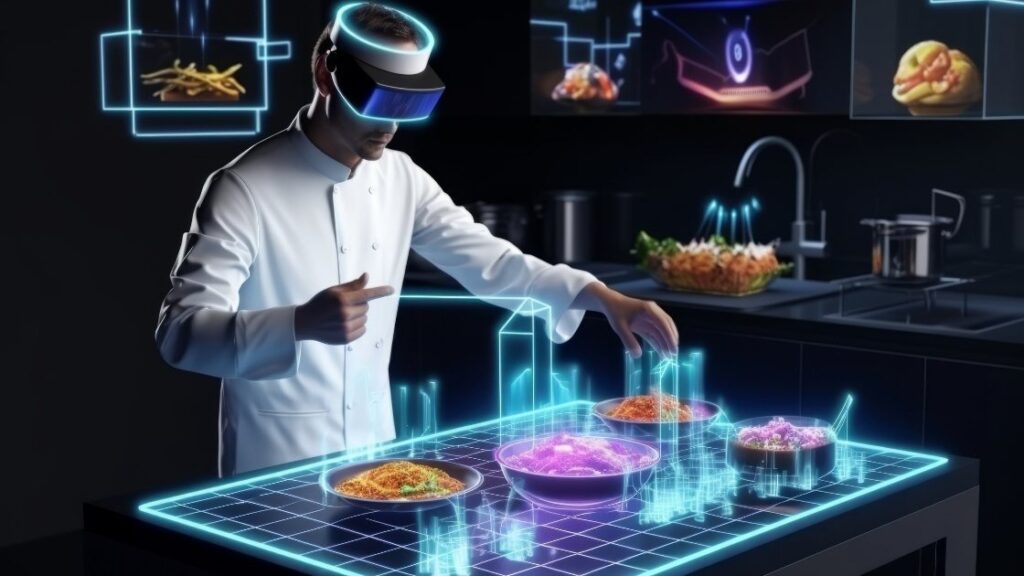
Looking ahead, taste technologies will likely merge with biotech, wearable health tracking, and smart-kitchen hardware. Imagine a refrigerator that suggests meals based on both its contents and your glucose readings from a continuous monitor.
Precision fermentation, 3D food printing, and cultivated meat all lean heavily on accurate flavor modeling. Research groups at institutions including MIT and the Netherlands’ Wageningen University continue to extend the science of flavor replication each year.
Expect the line between cooked and computed to keep softening.
Practical Tips for Navigating This New Landscape
A few grounded habits go a long way. Read ingredient labels even on “AI-designed” products, because algorithmic origin does not guarantee nutritional quality. Support small producers who blend tradition with thoughtful innovation. If you work in food, experiment with free flavor-pairing databases such as Foodpairing before buying enterprise software. For balanced industry coverage, lean on the Good Food Institute and IFT rather than brand-owned blogs.
One transparency note: the insights above draw from publicly available research and the editorial team’s hands-on testing, but always verify claims with primary sources before making major business or dietary decisions.
Conclusion
Taste technologies sit at one of the most fascinating intersections in modern food part chemistry, part code, part craft. They already shape your snacks, your drinks, and the shockingly convincing plant-based options on your plate.
The honest verdict: these tools are neither heroes nor villains. Used thoughtfully, they reduce waste, enable personalized nutrition, and make healthier eating more enjoyable. Used carelessly, they nudge us toward over-engineered, over-palatable products. Stay curious, stay critical, and trust your own senses as the final arbiter.
Found this guide useful? Drop a comment with your own experience of AI-designed foods, share it with a friend who loves food, or subscribe to Bite Smartly for more deep dives into food, health, and innovation.
What are taste technologies in simple terms?
Taste technologies are sensors, AI models, and data tools used to study and recreate how humans perceive flavor. They help food companies design products that taste better, spoil less, and suit individual preferences more closely.
Are foods developed with AI safe to eat?
Yes. The AI is an analytical tool, not an ingredient, and final products still pass the same safety reviews enforced by agencies like the FDA and EFSA. Always check labels for your own dietary requirements.
Can AI really predict my personal taste?
With enough preference data, AI can make reasonably accurate predictions, but it cannot fully capture emotion, memory, or culture. Treat its suggestions as a well-informed starting point, not a final verdict.
How is this different from traditional food R&D?
Traditional R&D leans on chef intuition and human taste panels, which is valuable but slower. Flavor AI adds speed, repeatability, and large-scale data analysis, and the best teams combine both approaches.
Will small restaurants benefit from these tools?
Yes, more every year. Cloud-based flavor AI and recipe platforms now come at affordable monthly rates, letting small kitchens test ingredient pairings without expensive lab equipment.
Do flavor systems threaten traditional cooking?
Not in a meaningful sense. Most chefs describe them as assistants rather than replacements, since human creativity and cultural knowledge still drive memorable dishes while technology handles the repetitive, data-heavy work.