
6 hours of sleep for muscle growth sounds like a risky shortcut, yet many lifters swear they can still make progress with less-than-ideal rest. While most experts recommend a solid eight hours, real life doesn’t always cooperate and that’s where strategy matters.
This article explores whether six hours can truly support gains and what specific habits can make it work. You’ll learn how recovery strategies, sleep quality, and smart training adjustments influence your results. By the end, you’ll know exactly when six hours might be “good enough” and when it can quietly sabotage your progress.

Understanding the Science Behind Limited Sleep and Muscle Growth
Many athletes wonder whether 6 hours of sleep for muscle growth can realistically support progress. To understand this, it’s important to look at what happens inside the body during rest. Sleep is when tissue repair, hormonal balance, and nervous system recovery take place. While most research points to 7–9 hours as ideal, some individuals can still maintain muscle-building momentum with less if they optimize their habits and environment.
Shorter sleep windows demand more precise strategies, such as improving sleep efficiency, strengthening recovery strategies, and adjusting training volume. When these are aligned, the body can still respond favorably to training overload, even with limited rest.
Why Sleep Matters in Muscle Repair and Growth
Muscle recovery relies heavily on the body’s nighttime processes. During deep sleep, growth hormone release peaks, helping repair microscopic tears in the muscle fibers.
The Biology Behind Recovery
Hormonal Responses
Your hormonal environment shapes how effectively your muscles rebuild.
•Growth hormone rises during slow-wave sleep
•Cortisol drops when sleep quality improves
•Testosterone supports protein synthesis
Nervous System Reset
A rested nervous system enhances strength output. •Better coordination
•Improved reaction time
•Reduced fatigue during heavy lifts
Even when operating on 6 hours of sleep for muscle growth, these mechanisms remain active, though sometimes less efficient.
Can Six Hours Be Enough? The Controversial Debate
The debate over whether six hours can sustain progress is ongoing. Some individuals, known as “short sleepers,” function optimally with limited rest due to genetic factors. Others may push through short-term phases of reduced sleep without severe consequences.
Factors That Determine Success
•Training experience
•Stress management
•Nutrition quality
•Daily activity level
•Consistency of sleep schedule
When Six Hours Might Work
Six hours may still support growth when paired with: •High-quality protein intake
•Reduced-intensity training blocks
•Short naps to boost recovery
•Improved sleep environment
Strategies to Maximize Growth with Limited Sleep
If you’re forced into a routine of 6 hours of sleep for muscle growth, compensating in other areas becomes essential.
Optimizing Sleep Quality
Improve the Environment
Small changes make a big difference.
•Dark, quiet room
•Cool temperature
•Comfortable mattress
Pre-Sleep Routine
Wind down to enhance sleep quality. •Avoid screens
•Practice breathing exercises
•Limit caffeine
Adjusting Training Smartly
Volume and Intensity Modifications
Overtraining is more likely when rest is limited.
•Use moderate volume
•Focus on technique
•Include rest days strategically
Prioritize Compound Lifts
Movements like squats and presses give more growth per session when time and energy are low.
Benefits of Making Six Hours Work
Although not ideal, six hours can still provide certain advantages when managed well.
Increased Efficiency
Athletes often become more intentional with their habits.
•Better time management
•More structured training
•Improved discipline
Mental Toughness
Pushing through controlled fatigue, while still ensuring recovery, can enhance focus and resilience.
Challenges and Potential Downsides
Relying on limited sleep carries risks if not managed properly.
Physical Risks
•Slower recovery time
•Higher injury potential
•Reduced hormonal balance
Cognitive and Emotional Effects
•Irritability
•Reduced motivation
•Poor decision-making during lifts
These challenges highlight why a careful system is required when relying on 6 hours of sleep for muscle growth.
Practical Examples and Realistic Scenarios
Some individuals juggle work, studies, and training. In these cases, achieving ideal sleep hours daily isn’t realistic.
Real-World Example 1: The Busy Professional
A lifter with long work days uses:
•30-minute naps
•Three full-body sessions weekly
•High-protein meals
•A consistent bedtime
Real-World Example 2: The Student Athlete
A student with late-night study sessions maintains progress by:
•Reducing accessory work
•Prioritizing compound lifts
•Improving recovery strategies
•Using weekend sleep-ins wisely
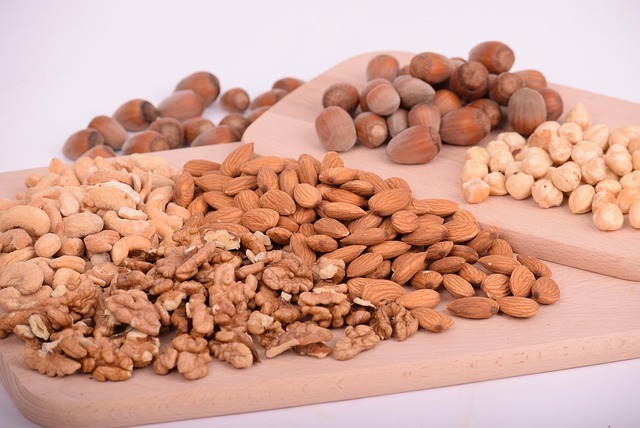
The Role of Nutrition in Supporting Muscle Growth with Limited Sleep
Nutrition becomes crucial when operating on limited rest.
Protein and Recovery
•Consume adequate protein to support muscle repair
•Focus on lean sources for better digestion
Micronutrient Support
Vitamins and minerals improve resilience.
•Magnesium
•Zinc
•Omega-3s
Final Thoughts on Making Six Hours Work
While not ideal, 6 hours of sleep for muscle growth can be effective if paired with strong habits, smart adjustments, and improved recovery. It demands discipline, structure, and attention to detail but for those facing unavoidable time constraints, it may still allow meaningful progress without completely derailing performance.
Conclusion
In the end, 6 hours of sleep for muscle growth can work, but only when paired with smart training choices, quality nutrition, and strong recovery habits. While it’s not the ideal amount of rest, many athletes can still progress by optimizing sleep quality and managing fatigue. This approach demands consistency and awareness, but it proves that results are still possible even with limited time. If you’re navigating a demanding schedule, explore more strategies, stay updated, and keep learning how to make every hour and every workout count.