Imagine pointing your smart phone at a plate of food and instantly knowing its nutritional content, ingredients, and calorie count this is the revolutionary power of computer vision food recognition transforming how we interact with our meals. This cutting-edge technology leverages artificial intelligence and sophisticated image processing algorithms to identify, classify, and analyze food items with remarkable accuracy. From helping individuals track their dietary habits to enabling restaurants to automate inventory management, this innovation is reshaping the food industry at every level.
In this article, we’ll explore how computer vision food recognition works, examining the deep learning models that power these systems, their real-world applications across healthcare and hospitality, and the exciting future developments that promise even greater precision in meal identification.
What Is Computer Vision Food Recognition?
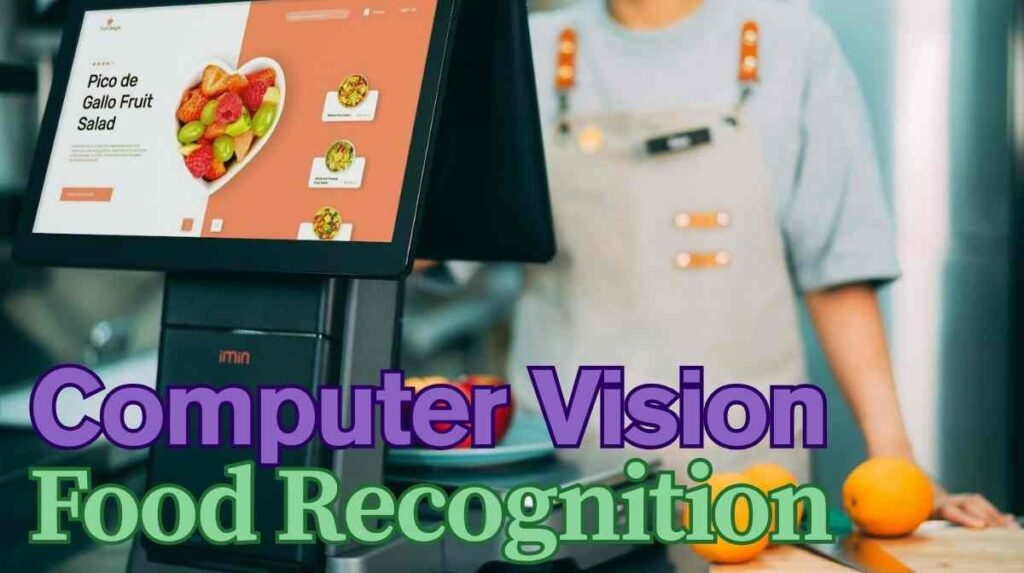
Computer vision food recognition is an AI-powered technology that enables machines to automatically identify, classify, and analyze food items from digital images or video streams. This sophisticated system combines machine learning algorithms, neural networks, and image processing techniques to detect everything from simple ingredients to complex multi-component dishes. The technology processes visual data through multiple layers of analysis, examining colors, textures, shapes, and patterns to determine what type of food is present in an image.
Modern food detection systems can distinguish between thousands of different food categories, estimate portion sizes, and even identify specific cooking methods. These systems work by comparing visual features against vast databases of food images, learning to recognize subtle differences between similar-looking items like various types of pasta or different cuts of meat.
The Evolution of Food Recognition Technology
1.Early Development Stages
The journey of automated food identification began in the early 2000s when researchers first experimented with basic image classification algorithms. Initial systems could only identify simple, distinct food items under controlled lighting conditions. These primitive models relied heavily on color histograms and basic shape detection, achieving accuracy rates below 50% for most real-world applications.
2.Modern Breakthroughs
The introduction of convolutional neural networks (CNNs) in 2012 revolutionized food recognition capabilities. Deep learning models like ResNet, VGG, and Inception transformed the field, pushing accuracy rates above 90% for many food categories. Today’s systems utilize:
- Transfer learning from pre-trained models
- Multi-task learning for simultaneous food and ingredient recognition
- Real-time processing capabilities on mobile devices
- Cloud-based processing for enhanced accuracy
Key Benefits and Applications
Healthcare and Nutrition Management
Dietary tracking applications have become increasingly sophisticated, helping millions manage their nutritional intake effortlessly. Patients with diabetes can monitor carbohydrate consumption accurately, while fitness enthusiasts track protein and calorie intake automatically. Healthcare providers use these tools to:
- Monitor patient compliance with dietary restrictions
- Analyze eating patterns for behavioral interventions
- Provide personalized nutrition recommendations
- Track food allergies and intolerances
Restaurant and Food Service Industry
The hospitality sector leverages visual food analysis for multiple operational improvements. Restaurants implement these systems for:
- Automated inventory management and waste reduction
- Quality control and portion standardization
- Menu digitization and recommendation systems
- Customer engagement through interactive dining experiences
Fast-food chains use meal detection algorithms to verify order accuracy, reducing customer complaints and improving satisfaction rates significantly.
Technical Components and Architecture
Image Preprocessing Techniques
computer vision food recognition Before analysis begins, images undergo several preprocessing steps to enhance recognition accuracy. Image segmentation isolates food items from backgrounds, while normalization adjusts for varying lighting conditions. Advanced systems employ:
- Data augmentation to improve model robustness
- Feature extraction using pretrained networks
- Multi-scale analysis for better detail capture
- Color space transformation for improved classification
Deep Learning Models
CNN Architectures
Modern food recognition relies primarily on deep neural networks designed specifically for visual tasks. Popular architectures include:
- EfficientNet for mobile deployment
- Vision Transformers for state-of-art accuracy
- YOLO models for real-time detection
- Mask R-CNN for instance segmentation
Training Methodologies
Successful food classification models require extensive training on diverse datasets. Researchers use techniques like:
- Cross-entropy loss optimization
- Batch normalization for stable training
- Dropout layers to prevent overfitting
- Fine-tuning on domain-specific datasets
Current Challenges and Limitations
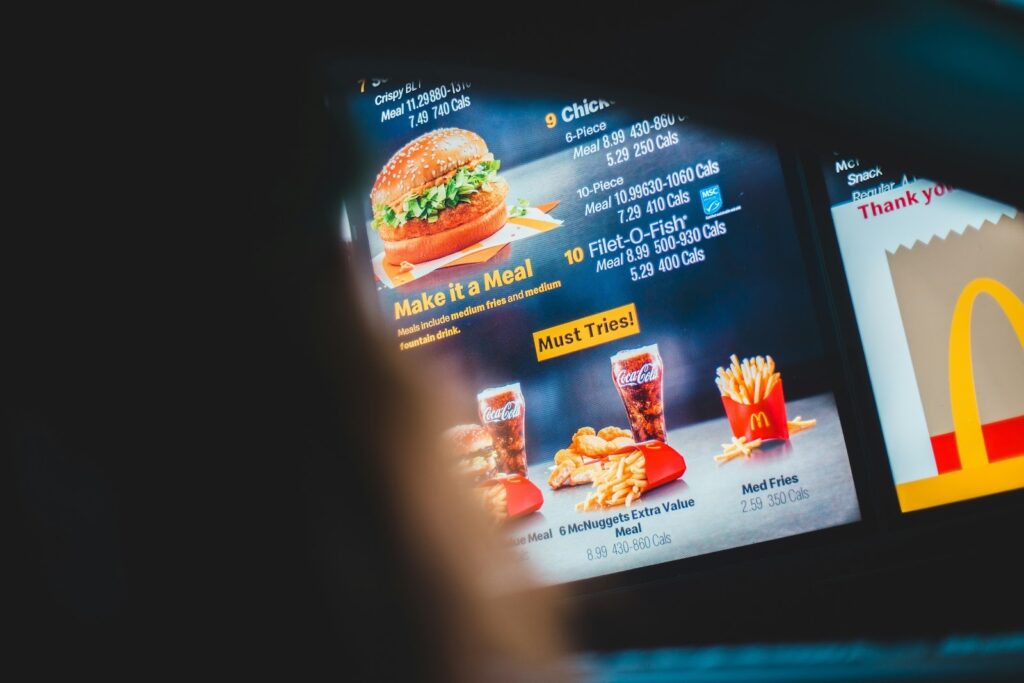
computer vision food recognition Despite significant advances, computer vision food recognition faces several obstacles. Mixed dish identification remains particularly challenging when ingredients overlap or blend together. Cultural and regional variations in food preparation create additional complexity, as the same dish may appear vastly different across cultures.
Technical challenges include:
- Handling varying lighting conditions and camera angles
- Distinguishing visually similar foods
- Estimating accurate portion sizes from 2D images
- Processing speed limitations on edge devices
Dataset bias presents another significant hurdle, as most training data comes from specific geographic regions, limiting global applicability. Privacy concerns also arise when food images contain personal or location information.
Future Developments and Innovations
The future of intelligent food recognition looks promising with emerging technologies enhancing capabilities further. Researchers are developing:
- 3D food reconstruction for accurate volume estimation
- Multimodal systems combining visual and textual data
- Federated learning for privacy-preserving model training
- Augmented reality integration for interactive experiences
Nutritional AI systems will soon provide real-time coaching, suggesting healthier alternatives and tracking long-term dietary patterns. Integration with IoT devices and smart kitchens will create seamless ecosystems for automated meal planning and preparation.
Conclusion
Computer vision food recognition represents a transformative leap in how we understand and interact with our meals, combining advanced AI capabilities with practical everyday applications. From revolutionizing healthcare nutrition management to streamlining restaurant operations, this technology continues to evolve rapidly, promising even more sophisticated solutions ahead. As deep learning algorithms become more refined and accessible, we can expect computer vision food recognition to become an integral part of our daily lives. Stay informed about these exciting developments as they reshape the intersection of technology and nutrition, and explore how these innovations might benefit your personal or professional needs.