Recent advances in biotechnology for food industry applications have revolutionized how we produce, preserve, and consume our daily meals. From your morning yogurt enhanced with probiotics to the plant-based burger that tastes remarkably like meat, food innovation touches every aspect of our dining experience. These cutting-edge technologies are addressing critical challenges including food security, sustainability, and nutrition while meeting the demands of a growing global population.
This article explores how genetic engineering, fermentation technologies, and molecular techniques are creating safer food products with extended shelf life, enhanced nutritional profiles, and reduced environmental impact. We’ll examine breakthrough innovations in enzyme technology, cellular agriculture, and precision fermentation that are reshaping food production systems and paving the way for a more sustainable and healthier food future.
Understanding Modern Biotechnology in Food Production
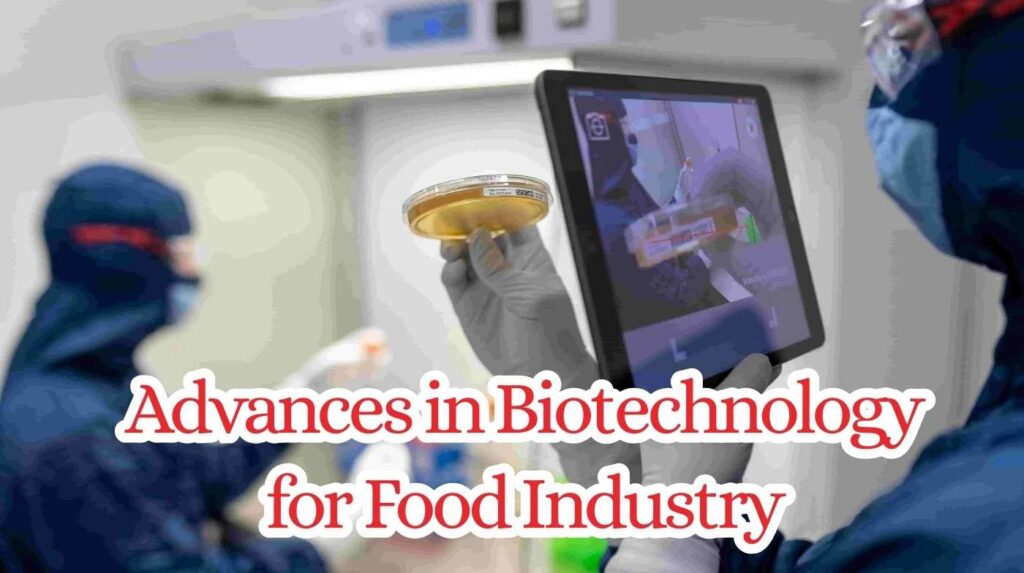
Biotechnology in food processing represents the application of biological systems, living organisms, or their derivatives to develop and modify food products. This interdisciplinary field combines microbiology, biochemistry, and engineering to enhance food quality, safety, and production efficiency. The advances in biotechnology for food industry applications encompass everything from traditional fermentation to cutting-edge CRISPR technology and synthetic biology.
The journey began thousands of years ago with fermentation processes used to make bread, cheese, and wine. However, modern food biotechnology emerged in the 1970s with the development of genetic engineering techniques. Today’s innovations build upon these foundations, incorporating sophisticated molecular tools and computational biology to address contemporary challenges.
Revolutionary Technologies Transforming Food Systems
Genetic Modification and Gene Editing
Genetic modification techniques have evolved significantly beyond first-generation GMOs. Modern approaches focus on:
- Enhanced nutritional content through biofortification
- Improved crop resistance to diseases and pests
- Extended shelf life without chemical preservatives
- Reduced allergenicity in common food products
The latest advances in biotechnology for food industry applications include precision gene editing tools like CRISPR-Cas9, which allows scientists to make targeted modifications without introducing foreign DNA. This technology has produced non-browning apples, low-acrylamide potatoes, and nutrient-enhanced crops that address malnutrition in developing regions.
Fermentation Innovation
Precision Fermentation
This revolutionary process uses microbial cell factories to produce specific proteins, fats, and other compounds traditionally derived from animals or plants. Companies are creating:
- Dairy proteins without cows
- Egg whites without chickens
- Complex flavor compounds for meat alternatives
- Sustainable palm oil substitutes
Traditional Fermentation Enhancement
Scientists have optimized age-old fermentation processes through:
- Selected starter cultures for consistent quality
- Controlled fermentation conditions for improved yields
- Novel probiotic strains with enhanced health benefits
- Reduced fermentation times while maintaining quality
Emerging Applications and Benefits
Cellular Agriculture
Cultured meat technology represents one of the most significant advances in biotechnology for food industry sustainability. This process involves:
- Growing real meat from animal cells without raising livestock
- Reducing greenhouse gas emissions by up to 96%
- Eliminating antibiotics in meat production
- Conserving water and land resources
Current developments show promising results in texture, taste, and nutritional profiles that closely match conventional meat products. Lab-grown seafood addresses overfishing concerns while providing sustainable protein sources.
Enzyme Technology Applications
Industrial enzymes have revolutionized food processing through:
- Improved bread texture and volume
- Enhanced juice clarity and yield
- Lactose-free dairy product development
- Natural preservation systems
- Waste reduction in manufacturing processes
These biological catalysts operate under mild conditions, reducing energy consumption and environmental impact while maintaining product quality.
Smart Food Safety Solutions
Biosensors and Detection Systems
Modern biosensor technology enables rapid detection of:
- Foodborne pathogens within minutes instead of days
- Allergen presence at trace levels
- Spoilage indicators before visible signs appear
- Pesticide residues and heavy metals
These advances in biotechnology for food industry safety protocols have significantly reduced foodborne illness incidents and improved supply chain transparency.
Natural Preservation Methods
Biopreservation techniques utilize beneficial microorganisms and their metabolites to:
- Extend product shelf life naturally
- Maintain nutritional value during storage
- Reduce reliance on synthetic additives
- Prevent pathogen growth without affecting taste
Challenges and Future Perspectives
Current Limitations
Despite remarkable progress, the advances in biotechnology for food industry implementation face several obstacles:
- High initial investment costs for new technologies
- Regulatory approval processes varying by region
- Consumer acceptance and perception issues
- Scaling challenges from laboratory to commercial production
- Intellectual property complexities
Regulatory Landscape
Food safety regulations continue evolving to accommodate new technologies while ensuring consumer protection. Different regions adopt varying approaches to:
- Novel food approval processes
- Labeling requirements for biotech products
- Safety assessment protocols
- International trade considerations
The Path Forward
The advances in biotechnology for food industry development show immense potential for addressing global food security challenges. Sustainable food systems powered by biotechnology offer solutions for feeding a projected 10 billion people by 2050 while minimizing environmental impact.
Future innovations will likely focus on:
- Personalized nutrition based on individual genetics
- Climate-resilient crop varieties
- Zero-waste production systems
- Integration of artificial intelligence with biotechnology
- Enhanced traceability through blockchain technology
These technologies promise not just incremental improvements but transformative changes in how we produce, distribute, and consume food, creating a more sustainable and equitable global food system.
Conclusion
The advances in biotechnology for food industry applications are fundamentally reshaping our global food systems, offering unprecedented solutions to nutrition, sustainability, and safety challenges. From precision fermentation creating animal-free proteins to gene editing developing climate-resilient crops, these innovations promise a future where food production is more efficient, sustainable, and accessible. As these advances in biotechnology for food industry continue evolving, staying informed about these technological breakthroughs becomes crucial. Explore how these transformative technologies will impact your food choices and contribute to a more sustainable future for generations to come.