Food innovation startups are reshaping the entire culinary landscape, bringing bold ideas from laboratory kitchens to dinner tables worldwide. These dynamic companies are tackling some of humanity’s biggest challenges, from climate change to global hunger, through creative solutions and cutting-edge technology.
In this comprehensive guide, you’ll discover how these ventures are disrupting traditional industries with plant-based alternatives, sustainable packaging, and smart agriculture techniques. We’ll explore the driving forces behind this revolution, highlight successful companies making waves, and examine what the future holds for food technology.
Whether you’re an aspiring entrepreneur, investor, or simply curious about where your next meal might come from, this article offers valuable insights into the exciting world of culinary disruption and the startups leading the charge.
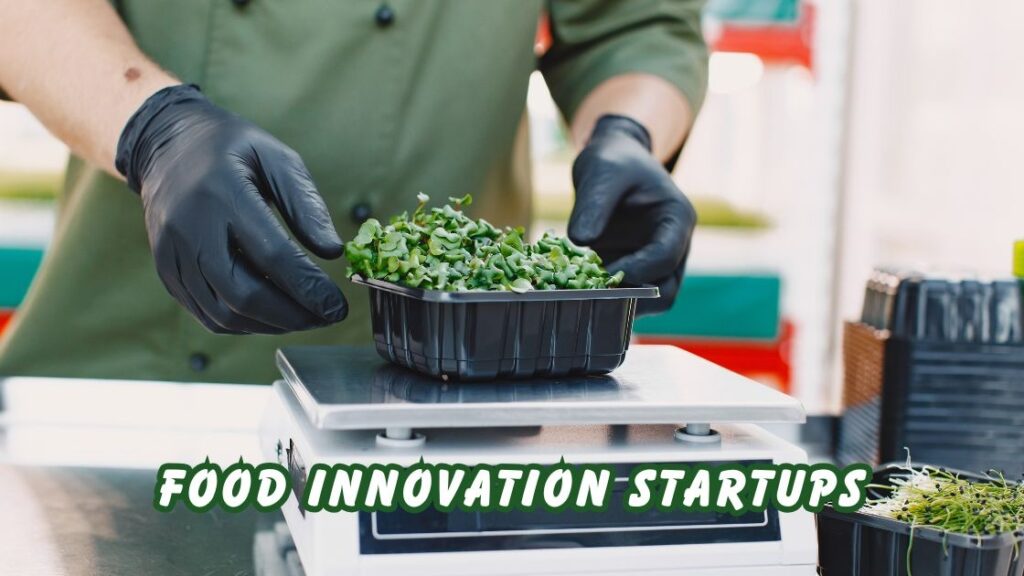
What Are Food Innovation Startups?
Food innovation startups are entrepreneurial ventures focused on transforming how food is produced, processed, distributed, and consumed. These companies leverage emerging technologies and creative thinking to address pressing issues in the global food system.
Unlike traditional food companies, these ventures prioritize sustainability, efficiency, and health-conscious solutions. They operate at the intersection of biotechnology, artificial intelligence, and culinary science to create products that were unimaginable just a decade ago.
The Rise of Modern Food Ventures
The journey of food innovation startups began gaining momentum in the early 2010s when consumers started demanding healthier and more environmentally friendly options. Silicon Valley investors noticed this shift and began pouring venture capital into promising food technology companies.
Today, billions of dollars flow into this sector annually. The pandemic further accelerated growth as people reconsidered their eating habits and food sources.
Key Areas Driving the Food Revolution
Alternative Proteins and Plant Based Solutions
One of the most exciting developments comes from companies creating meat alternatives and lab-grown proteins. These food innovation startups are answering consumer demand for sustainable protein sources without sacrificing taste or nutrition.
Leading examples include:
- Beyond Meat revolutionizing burger alternatives with pea protein formulations
- Impossible Foods using heme technology to replicate beef flavor
- UPSIDE Foods pioneering cultivated chicken products
- Perfect Day creating animal-free dairy proteins
Vertical Farming and Smart Agriculture
AgTech startups are reimagining crop production through controlled environment agriculture. These companies grow produce indoors using significantly less water and zero pesticides.
Benefits of vertical farming include:
- Year-round production regardless of weather conditions
- Reduced transportation costs and carbon footprint
- Elimination of harmful pesticides and herbicides
- Higher crop yields per square foot
Companies like Plenty, AeroFarms, and Bowery Farming are leading this agricultural transformation.
Food Waste Reduction Technologies
Global food waste accounts for roughly one out of every three items produced worldwide. Several food innovation startups are tackling this crisis through intelligent solutions.
These ventures use artificial intelligence to optimize supply chain management, predict demand, and extend product shelf life. Too Good To Go connects consumers with restaurants selling surplus food, while Apeel Sciences creates plant-based coatings that keep produce fresh longer.
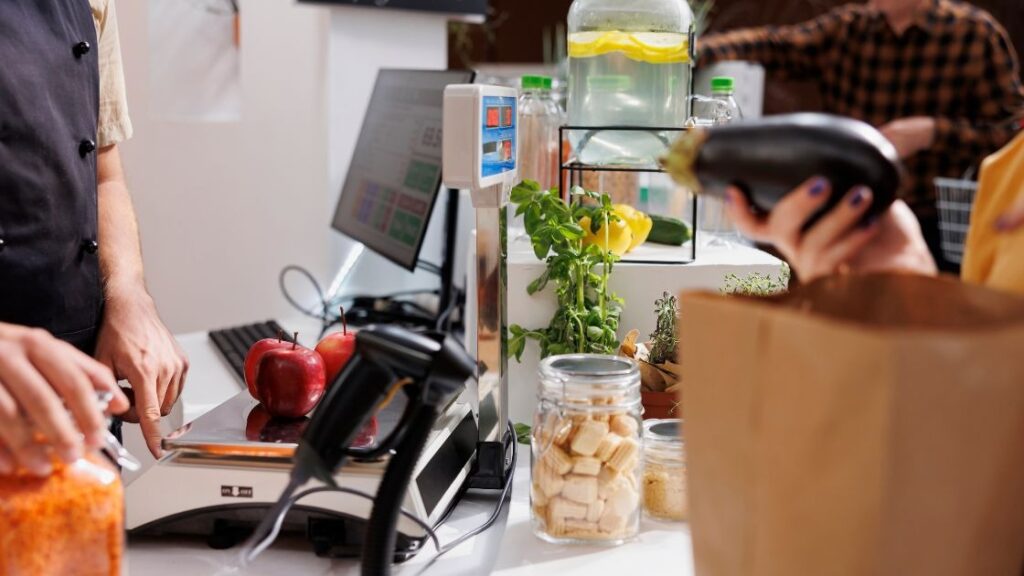
Benefits of Supporting Food Tech Ventures
Investing in and supporting these companies offers numerous advantages for society:
- Environmental sustainability through reduced emissions and resource consumption
- Improved food security for growing global populations
- Healthier product options with better nutritional profiles
- Job creation in emerging technology sectors
- Economic growth through industry disruption
Impact on Consumer Health
Food innovation startups are making personalized nutrition accessible to everyday consumers. Companies now offer DNA-based meal recommendations, customized vitamin subscriptions, and apps that track nutritional intake in real time.
This shift toward individualized eating empowers people to make informed choices about their diets and long-term health outcomes.
Challenges Facing the Industry
Despite tremendous progress, food innovation startups encounter significant obstacles:
- Regulatory hurdles vary across different countries and regions
- Scaling production while maintaining quality remains difficult
- Consumer skepticism about novel food products persists
- High research and development costs strain limited budgets
- Competition from established food corporations intensifies
Overcoming Market Resistance
Building consumer trust requires transparency, education, and consistent quality. Successful startups invest heavily in marketing campaigns that explain their processes and highlight safety standards.
Partnerships with established retailers and restaurants also help introduce unfamiliar products to mainstream audiences gradually.
The Future Outlook
The trajectory for food innovation startups looks remarkably promising. Analysts predict the food technology market will exceed $342 billion by 2027, driven by climate concerns and shifting dietary preferences.
Emerging trends to watch include 3D printed foods, blockchain-enabled supply chain transparency, and AI-powered kitchen appliances that customize meals automatically.
As these ventures continue maturing, they will play increasingly vital roles in feeding our planet sustainably while delivering delicious, nutritious options to tables everywhere.
Conclusion
Food innovation startups are fundamentally changing how we grow, produce, and consume what we eat. From alternative proteins to vertical farming and food waste reduction technologies, these ventures address critical global challenges while creating exciting opportunities for entrepreneurs and investors alike.
As consumer demand shifts toward healthier and more sustainable options, these companies will continue driving meaningful change across the entire food ecosystem. Supporting and embracing these innovations means contributing to a future where nutritious, environmentally responsible food becomes accessible to everyone. The revolution on your plate has only just begun.