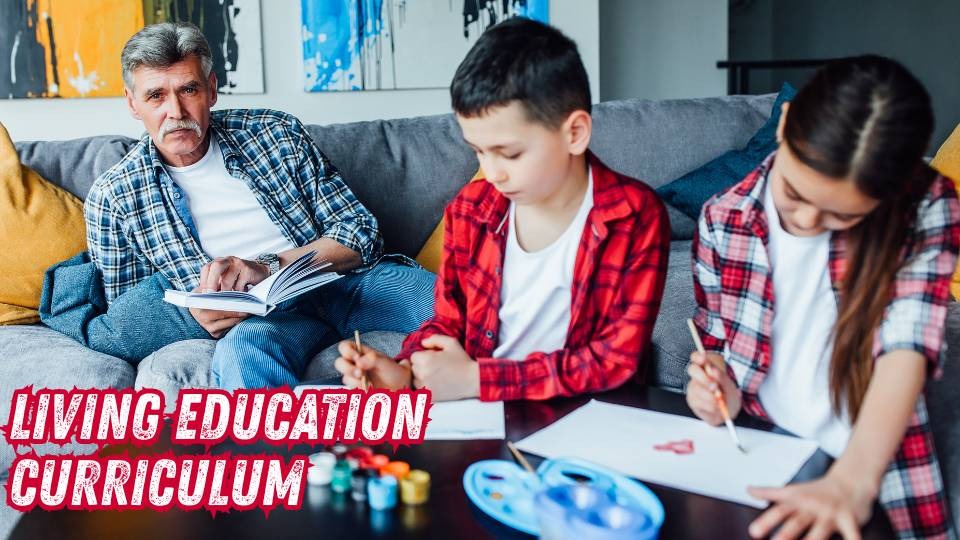
A living education curriculum offers a refreshing approach to learning that goes far beyond textbooks and tests. Instead of memorizing dry facts, children engage with real books, nature, and hands-on experiences that spark genuine curiosity. This holistic learning approach treats education as a living, breathing journey rather than a rigid checklist of skills to master.
In this article, we’ll explore how this transformative method nurtures the whole child mind, heart, and character. You’ll discover why more families are embracing child-centered education and how a literature-based learning framework can make subjects come alive. Whether you’re a homeschooling parent or simply curious about alternative teaching methods, you’ll find practical insights to help your child thrive academically and personally.
What Is a Living Education Curriculum?
A living education curriculum is an educational approach that emphasizes real, meaningful learning experiences over rote memorization. Rather than relying on dry textbooks filled with disconnected facts, this method uses living books richly written literature that brings subjects to life through storytelling and vivid language.
This approach treats children as capable individuals who can engage deeply with ideas. The goal is not simply to pass tests but to cultivate a genuine love of learning that lasts a lifetime.
The Philosophy Behind This Approach
The foundation of a living education curriculum rests on respecting the child’s natural curiosity. Children learn best when they connect emotionally and intellectually with what they study. This philosophy encourages exploration, questioning, and discovery rather than passive absorption of information.
History and Background of Living Education
The roots of this educational philosophy trace back to the Charlotte Mason method, developed by British educator Charlotte Mason in the late 1800s. She believed that education should nourish the whole person and that children deserve access to the best ideas through quality literature and direct experiences.
Her principles continue to influence modern homeschooling families and alternative educators worldwide. Today, many parents embrace a living education curriculum because it offers a proven, time-tested framework for whole child development.
Why This Approach Matters for Modern Learners
In today’s fast-paced digital world, children often struggle with attention and engagement. Traditional schooling can feel disconnected from real life, leaving students unmotivated and uninspired.
A living education curriculum addresses these challenges by making learning relevant and personal. When children read a compelling biography instead of a bland summary, they remember the lessons. When they observe nature firsthand, science becomes an adventure.
Building Stronger Connections to Knowledge
This method helps children form lasting mental connections. Instead of cramming for exams, students internalize knowledge through:
- Reading high-quality literature across subjects
- Engaging in narration-based learning where they retell what they’ve learned
- Keeping nature journals and personal notebooks
- Exploring ideas through discussion and reflection
Key Benefits of a Living Education Curriculum
Families who adopt this approach often report remarkable transformations in their children’s attitudes toward learning. Here are the primary advantages:
Academic Benefits
- Improved reading comprehension and vocabulary through exposure to rich literature
- Deeper understanding of history, science, and the arts
- Enhanced critical thinking and analytical skills
- Better retention of information over time
Personal Development Benefits
- Greater creativity and imagination
- Stronger character formation through meaningful stories
- Increased self-motivation and curiosity
- Improved attention span through nature-based education and focused study periods
A living education curriculum also supports experiential learning, allowing children to learn by doing rather than simply listening.
Common Challenges and How to Overcome Them
While this approach offers tremendous benefits, some families encounter obstacles when getting started.
Finding Quality Resources
Not all books qualify as living books. Parents must carefully select materials that are well-written and engaging. Joining homeschool communities and reading curriculum reviews can help families identify the best options.
Adjusting Expectations
Children accustomed to traditional schooling may need time to adapt. Initially, they might resist reading longer passages or struggle with narration. Staying patient and maintaining a steady routine will help smooth this adjustment period.
Balancing Structure and Freedom
A living education curriculum requires planning but also allows flexibility. Finding the right balance between scheduled lessons and spontaneous exploration takes practice.

Real Life Examples of Success
Many families have witnessed incredible growth using this method. Children who once dreaded school become eager readers. Students develop a love for subjects they previously ignored.
For instance, a child studying ancient Rome through a captivating historical novel will likely remember more than one who merely reads encyclopedia entries. This child-centered education approach meets learners where they are and inspires them to go further.
Is This Approach Right for Your Family?
A living education curriculum works well for families who value depth over breadth and character over test scores. It suits parents willing to invest time in selecting quality materials and engaging with their children’s education.
Whether you’re new to literature-based learning or looking to enrich your current approach, this method offers a meaningful path toward raising thoughtful, curious, and well-educated children.
Conclusion
A living education curriculum offers a powerful alternative to traditional teaching methods. By prioritizing living books, real-world experiences, and whole child development, this approach transforms learning from a chore into a joyful adventure.
Throughout this article, we explored its philosophy, history, benefits, and practical challenges. Families seeking meaningful education will find this method nurtures curiosity, character, and a lifelong love of learning.
If you want your child to truly engage with knowledge rather than simply memorize facts, a living education curriculum may be the perfect fit. Begin with simple steps, maintain a steady routine, and witness your child thrive.