
Loosening tight muscles is essential for anyone who spends hours sitting at a desk or performing repetitive tasks. After a long day at work, your body often feels stiff, achy, and exhausted. That persistent tension in your neck, shoulders, and back isn’t just uncomfortable it can affect your sleep, mood, and overall well-being.
This comprehensive guide will walk you through effective strategies to release that built-up tension and restore your body’s natural flexibility. You’ll discover practical stretching techniques, learn about the causes of muscle stiffness, and explore simple remedies you can do at home. Whether you’re dealing with minor discomfort or chronic tightness, these proven methods for muscle tension relief will help you feel relaxed and rejuvenated after even the most demanding workday.
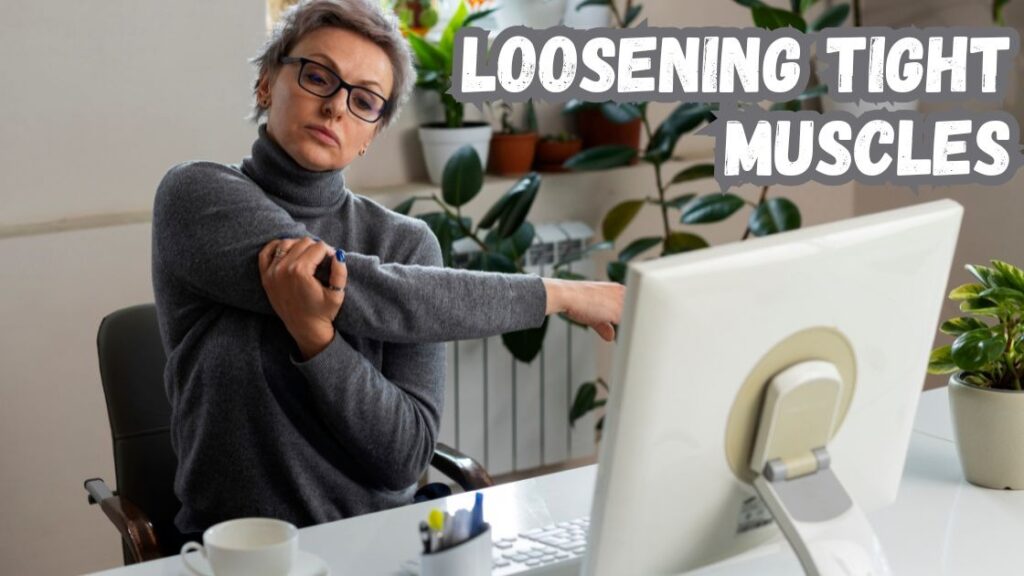
Understanding Why Your Muscles Feel Tight After Work
What Causes Muscle Tension
Muscle tightness occurs when your muscle fibers remain in a contracted state for extended periods. When you sit at a desk for hours, your body maintains the same position, causing certain muscle groups to shorten and become stiff.
Several factors contribute to this problem:
- Poor posture while sitting or standing
- Repetitive movements throughout the day
- Stress and emotional tension
- Lack of physical movement
- Dehydration and poor nutrition
Understanding these causes is the first step toward loosening tight muscles effectively. Your body naturally responds to prolonged positions by creating tension as a protective mechanism.
The Science Behind Muscle Stiffness
When muscles stay contracted, blood flow decreases and waste products like lactic acid accumulate. This creates that familiar aching sensation you feel after work. Chronic muscle tension can lead to trigger points, which are sensitive knots that cause pain and restricted movement.
Effective Methods for Loosening Tight Muscles
Stretching Techniques That Work
Stretching exercises remain one of the most accessible ways for loosening tight muscles after a demanding workday. Focus on these key areas:
Neck Stretches Gently tilt your head toward each shoulder, holding for 20 to 30 seconds. This releases tension accumulated from looking at screens.
Shoulder Rolls Roll your shoulders backward in circular motions 10 times, then forward. This improves shoulder flexibility and reduces stiffness.
Hip Flexor Stretches Sitting shortens your hip flexors significantly. Perform lunging stretches to counteract this tightness.
Foam Rolling for Deep Relief
Foam rolling has become increasingly popular for loosening tight muscles at home. This self-massage technique applies pressure to tight areas, breaking up adhesions and improving blood flow.
Benefits of foam rolling include:
- Increased circulation to affected areas
- Reduced muscle soreness
- Improved range of motion
- Faster recovery after physical activity
- Enhanced muscle relaxation
Start with gentle pressure and gradually increase intensity as your muscles adapt to the treatment.
Heat and Cold Therapy
Temperature-based treatments offer excellent muscle pain relief options. Each serves a different purpose in your recovery routine.
Heat Therapy Warm baths, heating pads, or warm towels increase blood flow and relax contracted muscles. Apply heat for 15 to 20 minutes for optimal results.
Cold Therapy Ice packs reduce inflammation and numb sore areas. Use cold therapy immediately after intense activity or when experiencing acute pain.
Building Healthy Habits for Long Term Relief
Workplace Ergonomics
Preventing muscle tension starts with proper workplace setup. Consider these adjustments:
- Position your monitor at eye level
- Keep your feet flat on the floor
- Maintain a 90 degree angle at your elbows
- Use a chair with adequate lumbar support
- Take regular breaks every 30 to 45 minutes
These simple changes significantly reduce the strain that causes tight shoulders and back discomfort.
Movement Throughout the Day
Incorporating regular movement prevents muscles from becoming stiff in the first place. Desk exercises and micro-breaks keep your body active even during busy workdays.
Try these quick activities:
- Stand up and walk for two minutes every hour
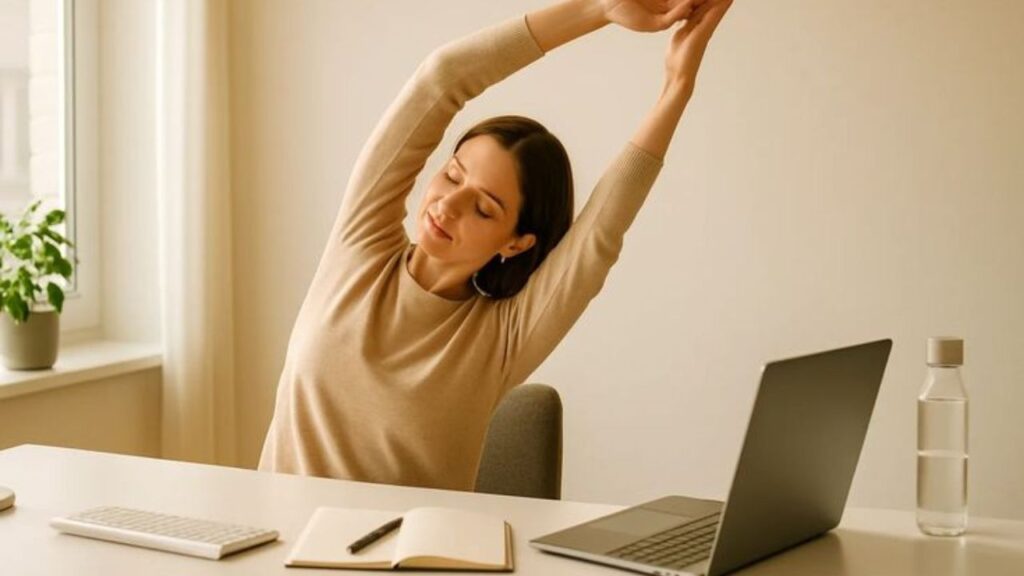
- Perform seated spinal twists at your desk
- Do calf raises while waiting for documents to print
- Practice deep breathing to reduce stress-related tension
Hydration and Nutrition
Proper hydration plays a crucial role in loosening tight muscles and maintaining tissue elasticity. Muscles lacking proper hydration tend to cramp and stiffen more easily.
Aim for eight glasses of water daily and include foods rich in magnesium, potassium, and calcium. These minerals support healthy muscle function and recovery.
When to Seek Professional Help
While home remedies work well for everyday tension, some situations require professional attention. Consider consulting a physical therapist or massage therapist if you experience:
- Persistent pain lasting more than two weeks
- Numbness or tingling sensations
- Severe limitation in movement
- Pain that disrupts sleep regularly
Professional treatments like therapeutic massage, acupuncture, or chiropractic care can address underlying issues that self-care methods cannot resolve.
Loosening tight muscles is an ongoing practice rather than a one-time fix. By combining stretching, self-massage, proper ergonomics, and healthy lifestyle habits, you can effectively manage and prevent the muscle tension that accompanies modern work life.
Conclusion
Loosening tight muscles after a long workday doesn’t have to be complicated. By incorporating simple stretching techniques, foam rolling, and proper heat therapy, you can effectively release tension and restore comfort to your body. Remember that prevention is equally important. Maintaining good workplace ergonomics, staying hydrated, and taking regular movement breaks will help you avoid muscle stiffness before it starts.
Make these practices part of your daily routine for lasting muscle tension relief. Your body works hard for you every day, so taking time for loosening tight muscles is an investment in your overall health and well-being. Start today and feel the difference tomorrow.