
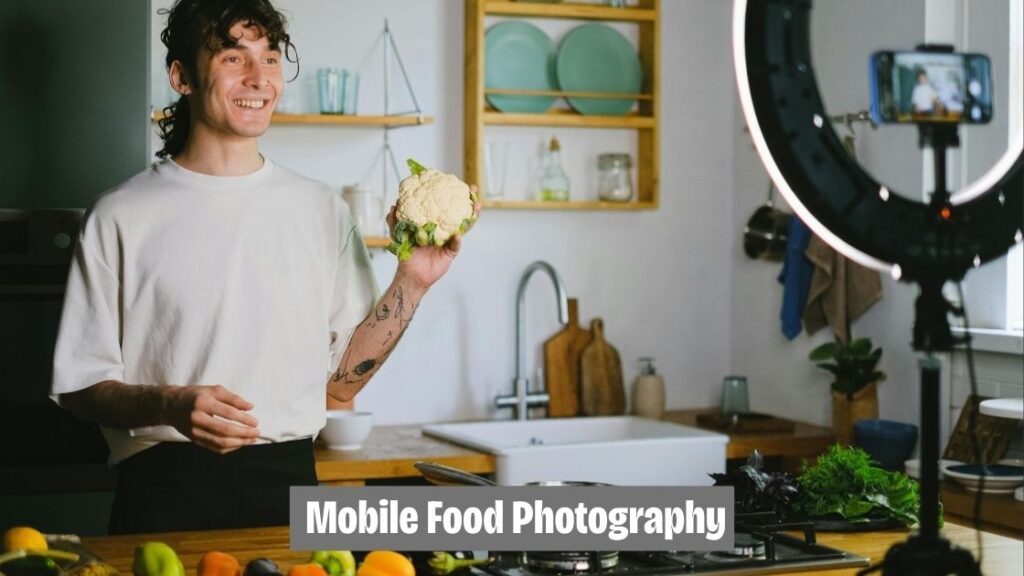
Mobile food photography has quietly become the secret weapon behind some of the most mouth-watering social media feeds you scroll through every day. Gone are the days when chefs needed expensive DSLR cameras and a dedicated studio to showcase their culinary creations today, a smartphone and the right technique are all it takes.
But why are professional chefs, restaurant owners, and culinary artists increasingly choosing their phones over traditional camera setups? The answer lies in speed, convenience, and the surprisingly powerful camera technology packed into modern smartphones.
In today’s fast-paced digital world, food styling for social media demands quick turnarounds. A beautifully plated dish loses its visual appeal within minutes, and chefs simply cannot afford long photography sessions. That’s where mobile food photography steps in allowing them to capture, edit, and publish stunning smartphone food photos in real time, right from the kitchen.
This approach also aligns perfectly with the authentic, behind-the-scenes content that audiences crave. Followers want raw, real moments not overly polished studio shots. Chefs who embrace phone camera food techniques build stronger trust and deeper connections with their audience, which is essential for effective restaurant social media marketing.
In this article, we’ll explore exactly why top culinary professionals rely on mobile food photography for their food blogging and social media strategy. You’ll discover practical tips, expert insights, and real-world examples that show how the right mobile approach can elevate your culinary content creation to a professional level without spending a fortune on gear.
The Rise of Mobile Food Photography in the Culinary World
The culinary industry has experienced a massive digital shift over the past decade. What once required a full production crew now fits in a chef’s pocket. It has transformed how restaurants, food trucks, and independent chefs present their dishes to the world. Social media platforms like Instagram, TikTok, and Pinterest have made visual content the primary driver of customer engagement, and chefs who adapt quickly are the ones who thrive.
The transition didn’t happen overnight. Early smartphone cameras produced grainy, poorly lit images that no serious chef would consider using. However, with rapid advancements in phone camera technology, computational photography, and AI powered editing tools, the gap between professional cameras and smartphones has narrowed dramatically. Today, it delivers results that rival studio quality shots, making it a practical and powerful choice for culinary professionals everywhere.
Why Chefs Are Choosing Smartphones Over Traditional Cameras
Professional chefs operate in high pressure environments where every second counts. Plated dishes have a very short window of visual perfection before sauces settle, garnishes wilt, and steam fades. This is precisely why it works so well in the kitchen. A chef can grab their phone, snap a quick series of shots, and return to service without missing a beat.
Beyond speed, there’s the matter of cost and accessibility. Hiring a professional food photographer for regular social media content can be expensive. With smartphone food imaging, chefs maintain full creative control without relying on external teams. They capture the dish exactly as they envisioned it, in the moment it looks its absolute best.
Authenticity Drives Audience Trust
Modern food audiences value authenticity above perfection. A slightly imperfect behind the scenes shot of a chef plating a dish often performs better than a heavily edited studio photograph. Mobile food photography naturally lends itself to this kind of raw, genuine storytelling. When followers see real kitchen moments captured on a phone, they feel a stronger connection to the chef and the brand. This trust translates directly into higher engagement, more followers, and ultimately more customers walking through the door.
Key Features That Make Smartphones Ideal for Food Content
Not all smartphone features are created equal, and understanding what makes modern phones so effective for culinary content creation is essential. Here are the standout capabilities that chefs rely on daily.
- Portrait mode and depth control allow chefs to create beautiful background blur that makes the dish the star of every frame, mimicking the look of expensive camera lenses.
- Night mode and low light performance ensure that even dimly lit restaurant environments produce clear, vibrant food images without the need for additional lighting equipment.
- Built in editing suites on both iPhone and Android devices let chefs adjust exposure, warmth, saturation, and sharpness instantly after capturing the shot.
- Macro photography capabilities in newer smartphones enable extreme close up shots that highlight textures, ingredients, and intricate plating details.
- Instant sharing integration with social media platforms means chefs can go from capture to published post in under a minute, keeping their content timely and relevant.
These features collectively make mobile food photography not just convenient but genuinely competitive with traditional food photography setups.
How Mobile Food Photography Works: A Simple Process
Understanding the basic workflow behind great smartphone food photos helps chefs produce consistent, high quality results. The beauty of this approach is that it’s accessible to anyone, no matter how new they are to photography.
Step One: Lighting and Setup
Natural light continues to be the most reliable and preferred source for capturing beautiful food images. Chefs position dishes near windows or in well lit areas of the kitchen. When natural light isn’t available, affordable ring lights or LED panels provide excellent alternatives. The key is to avoid harsh overhead lighting that creates unflattering shadows on the plate.
Step Two: Composition and Angles
The angle at which a dish is photographed can completely change its visual impact. Flat lays work beautifully for pizzas, cheese boards, and spreads. A 45 degree angle suits bowls, burgers, and layered dishes. Straight on shots are perfect for tall items like stacked pancakes or elaborate cocktails. Experimenting with food plating angles through mobile food photography helps chefs discover what best showcases their unique creations.
Step Three: Editing and Publishing
Once the shot is captured, a quick round of editing brings it to life. Adjusting brightness, increasing contrast slightly, and warming the color temperature are the three most common tweaks. Apps like Lightroom Mobile, Snapseed, and VSCO offer professional level editing tools designed specifically for mobile food photography. After editing, the image is ready for posting across all social media channels.
Benefits of Mobile Food Photography for Restaurant Marketing
Restaurants that embrace phone based food content see measurable improvements in their digital presence. Mobile food photography supports a consistent posting schedule, which algorithms on platforms like Instagram and TikTok reward with greater visibility. It also allows multiple team members to contribute content, not just one designated photographer.
From a restaurant social media marketing perspective, the benefits extend beyond aesthetics. Regular mobile food content keeps the brand active, builds community, and creates a visual archive of menu items that can be repurposed for websites, menus, email campaigns, and advertisements.
Challenges to Keep in Mind
While mobile food photography offers tremendous advantages, there are some limitations worth noting.
- Storage limitations can become an issue when shooting in high resolution formats like RAW or ProRAW, especially during busy service periods.
- Battery drain is a real concern since camera apps consume significant power, so keeping a charger nearby is advisable.
- Consistency can vary between different phone models, making it important for restaurants with multiple contributors to establish a visual style guide.
- Advanced techniques like focus stacking or long exposure food shots still require traditional camera equipment for the best results.
- Screen size limitations make it harder to evaluate fine details while shooting, which occasionally leads to missed focus or composition errors discovered only after the moment has passed.
Despite these challenges, the advantages of mobile food photography far outweigh the drawbacks for the vast majority of culinary professionals and food content creators.
Tips for Elevating Your Mobile Food Photography Game
Mastering smartphone food shots doesn’t require expensive courses or years of training. Simple adjustments like cleaning your phone lens before every shoot, using gridlines for balanced composition, and shooting in natural light whenever possible can dramatically improve your results. Chefs who commit to practicing mobile food photography regularly develop an instinctive eye for what works, turning everyday dishes into scroll stopping content.
Conclusion
The culinary world has embraced a powerful truth you don’t need a professional studio to create stunning food content that captivates audiences. As we’ve explored throughout this article, mobile food photography offers chefs and restaurant owners a fast, affordable, and authentic way to showcase their culinary artistry across social media platforms.
From understanding the right lighting and composition techniques to leveraging advanced smartphone camera features, the tools for creating scroll stopping food content are already in your pocket. Professional chefs trust this approach because it fits seamlessly into their demanding kitchen routines while delivering results that genuinely resonate with today’s audiences. The authenticity that comes from real kitchen moments simply cannot be replicated in a controlled studio environment.
We’ve also seen how consistent smartphone food imaging supports stronger restaurant social media marketing, builds audience trust, and keeps brands visible in an increasingly competitive digital landscape. Whether you’re a seasoned chef running a fine dining establishment or a passionate home cook building a food blog, mobile food photography levels the playing field and gives everyone a chance to shine.
The challenges are minor compared to the long term benefits. Storage, battery life, and consistency are easily managed with a little planning and practice. What truly matters is showing up consistently, telling your culinary story with honesty, and letting your food speak through the lens of your phone.
Now is the perfect time to refine your food styling skills, experiment with new angles, and make mobile food photography a core part of your culinary content creation strategy. Your next viral dish might just be one phone tap away.