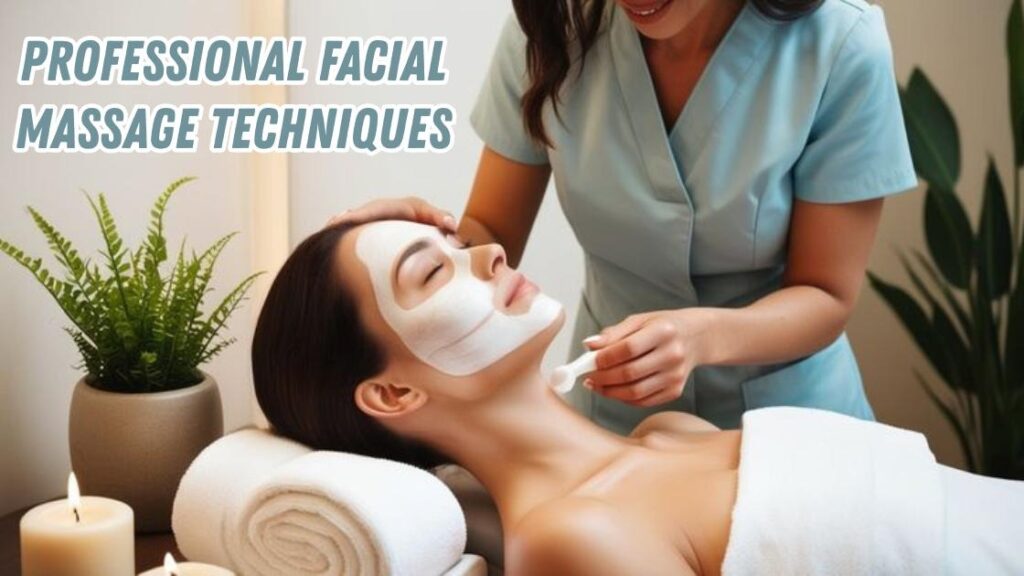
Professional facial massage techniques can transform your skincare routine from ordinary to extraordinary, delivering results that rival expensive spa treatments. Whether you’re an aspiring esthetician or simply someone who wants to elevate their self-care practice, understanding these methods opens the door to healthier, more radiant skin.
Facial massage offers remarkable benefits beyond relaxation. It boosts blood circulation, promotes lymphatic drainage, and helps reduce puffiness and fine lines naturally. When performed correctly, these movements can enhance product absorption and give your complexion a youthful glow.
In this comprehensive guide, you’ll discover essential massage strokes, learn proper hand positioning, and understand how to create a complete facial treatment routine at home. We’ll walk you through everything from basic effleurage movements to advanced lifting techniques, making it easy for beginners to develop confidence and skill.
Understanding the Fundamentals of Facial Massage
Professional facial massage techniques have been practiced for centuries across various cultures. Ancient Egyptians, Chinese healers, and Ayurvedic practitioners all recognized the power of therapeutic touch for skin health. Today, these time-tested methods combine with modern science to deliver impressive results.
At its core, facial massage involves systematic manipulation of the skin and underlying muscles. This practice stimulates collagen production, improves elasticity, and promotes overall skin rejuvenation. Understanding the anatomy of facial muscles helps you apply pressure correctly and maximize benefits.
Why Facial Massage Matters for Skin Health
Your face contains over 40 muscles that need regular attention. Without proper care, tension builds up, leading to wrinkles and sagging. Professional facial massage techniques address these concerns by releasing muscle tightness and encouraging natural healing processes.
The importance extends beyond aesthetics. Regular massage sessions can relieve tension headaches, reduce jaw clenching, and promote relaxation throughout the body.
Essential Massage Strokes Every Beginner Should Know
Effleurage Movements
Effleurage refers to gentle, gliding strokes that warm up the skin. This foundational technique prepares facial tissues for deeper work. Always move in upward and outward directions to counteract gravity’s effects.
Key effleurage principles include:
- Use your fingertips and palms together
- Maintain consistent, light pressure
- Follow the natural contours of the face
- Keep movements slow and rhythmic
- Apply appropriate facial oil or serum for smooth gliding
Petrissage and Kneading
Petrissage involves lifting and kneading the skin gently. This technique works deeper into muscle tissue, releasing stored tension. Professional facial massage techniques using petrissage are particularly effective around the jawline and cheeks.
Practice these movements carefully to avoid stretching delicate skin. The goal is stimulation without causing damage or discomfort.
Tapotement for Stimulation
Tapotement uses light tapping motions to invigorate the skin. This skin stimulation technique increases blood flow rapidly and awakens tired complexions. Use your fingertips in quick, rhythmic patterns across the forehead and cheeks.
Creating Your Complete Facial Massage Routine
Preparation Steps
Before beginning any facial treatment, proper preparation ensures optimal results. Follow these essential steps:
- Wash your face completely to eliminate cosmetics and dirt buildup
- Wash your hands with antibacterial soap
- Apply a generous amount of massage oil or hydrating serum
- Ensure your environment is calm and comfortable
- Secure your hair away from your face using a headband or clip
Step by Step Massage Sequence
A complete professional facial massage techniques session follows a logical order. Start at the neck and work upward toward the forehead. This approach supports lymphatic drainage and prevents fluid accumulation.
Neck and Jawline: Begin with upward strokes along the neck. Move to the jawline using small circular motions. This area holds significant tension, especially for those who clench their teeth.
Cheeks and Midface: Use lifting movements from the corners of the mouth toward the ears. Apply gentle pressure to the pressure points located along the cheekbones.
Eye Area: The skin around the eyes is extremely delicate. Use your ring fingers only, applying minimal pressure. Tap gently around the orbital bone to reduce puffiness and dark circles.
Forehead: Smooth horizontal lines with alternating hand movements. Work from the center outward, then use vertical strokes between the eyebrows to release frown lines.
Common Challenges and How to Overcome Them
Beginners often face difficulties when learning professional facial massage techniques. Understanding these challenges helps you progress faster.
Applying Too Much Pressure: Many people believe harder means better. However, excessive pressure can damage capillaries and cause bruising. Always start gently and increase gradually.
Inconsistent Practice: Like any skill, facial massage requires regular practice. Commit to short daily sessions rather than occasional lengthy treatments.
Using Wrong Products: Not all skincare products suit massage purposes. Choose natural facial oils like jojoba, rosehip, or argan that provide adequate slip without clogging pores.
Neglecting Hygiene: Always work with clean hands and sanitized tools. This prevents transferring bacteria to your face and causing breakouts.
Conclusion
Mastering professional facial massage techniques opens doors to healthier, more youthful-looking skin without expensive treatments. Throughout this guide, you’ve learned essential strokes like effleurage, petrissage, and tapotement that form the foundation of effective facial therapy.
Remember that consistency matters more than perfection. Regular practice builds muscle memory and delivers cumulative benefits including improved blood circulation, reduced tension, and enhanced skin radiance. Start with short sessions and gradually extend your routine as confidence grows.
Whether you pursue this skill professionally or simply want better at home skincare, these techniques empower you to take control of your complexion naturally. Begin your journey today and experience the transformation firsthand.