Relaxation breathing for anxiety is one of the most powerful yet simple tools you can use to calm your mind and body instantly. Whether you’re dealing with everyday stress or overwhelming moments of panic, learning how to control your breath can make a significant difference in how you feel. This natural technique requires no equipment, costs nothing, and can be practiced anywhere.
In this comprehensive guide, we’ll explore effective deep breathing exercises designed specifically for beginners who want to manage their emotional wellbeing. You’ll discover step-by-step stress relief techniques that activate your body’s natural relaxation response. We’ll also cover practical calming methods you can incorporate into your daily routine for long-term benefits.
By the end of this article, you’ll have all the knowledge needed to take control of your anxiety through the simple power of breath.
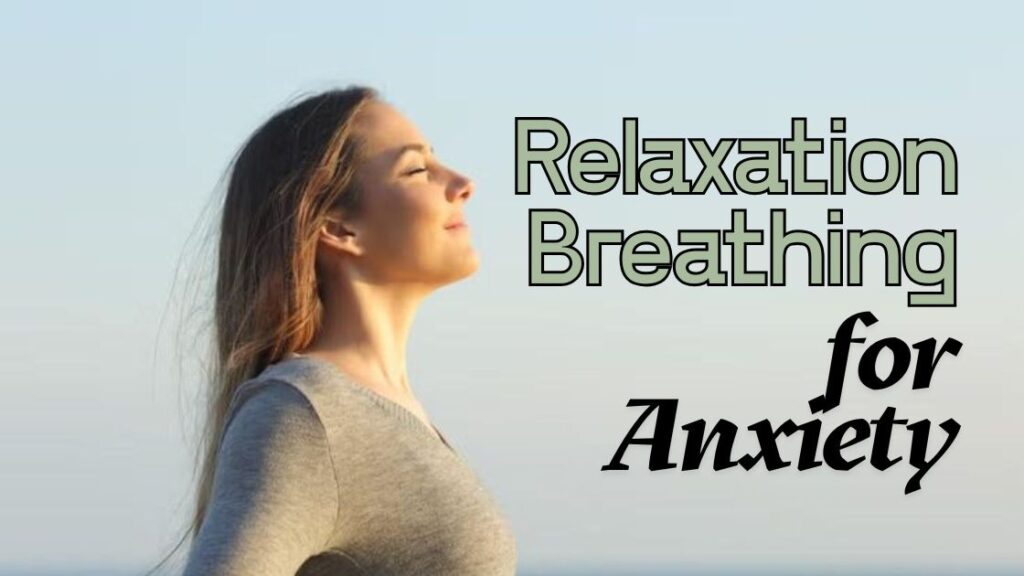
What Is Relaxation Breathing for Anxiety and How Does It Work?
Relaxation breathing for anxiety is a therapeutic technique that involves slow, controlled breathing patterns designed to activate your body’s parasympathetic nervous system. This system is responsible for the “rest and digest” response, which counteracts the stress-induced “fight or flight” reaction.
When you experience anxiety, your breathing becomes shallow and rapid. This signals danger to your brain, increasing heart rate and muscle tension. By consciously slowing down your breath, you send calming signals to your brain, telling it that everything is safe.
The Science Behind Breath Control
Research shows that deep breathing exercises directly influence the vagus nerve, which connects your brain to your body. Stimulating this nerve through controlled breathing lowers cortisol levels and reduces stress hormones circulating in your bloodstream.
This is why relaxation breathing for anxiety has become a cornerstone technique in cognitive behavioral therapy and mindfulness practices worldwide.
History and Background of Breathing Techniques
Breathing practices have roots in ancient traditions dating back thousands of years. Yogic pranayama techniques from India emphasized breath control for spiritual and physical health. Similarly, Chinese practices like Qigong incorporated mindful breathing for energy balance.
Modern science has validated what these traditions knew intuitively. Today, healthcare professionals recommend relaxation breathing for anxiety as a first-line intervention for managing stress and emotional overwhelm.
Why Breathing Exercises Matter for Mental Health
Understanding the importance of proper breathing can transform how you handle daily challenges. Here’s why these techniques deserve your attention.
Connection Between Breath and Emotions
Your breath directly mirrors your emotional state. Notice how you breathe when angry versus calm. By reversing this pattern through intentional breath control methods, you can shift your emotional experience.
Accessibility and Convenience
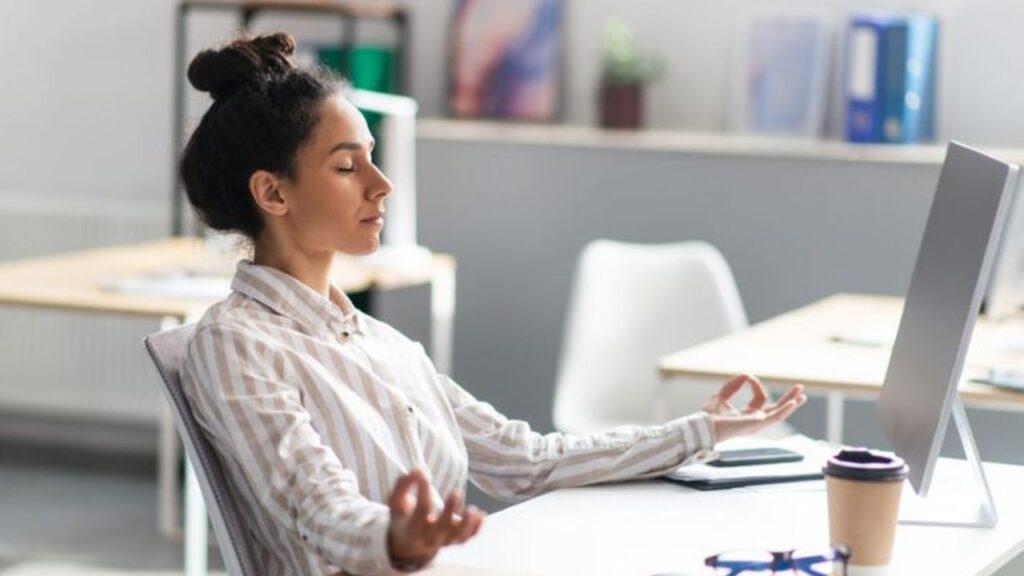
Unlike medications or therapy sessions, relaxation breathing for anxiety requires no appointment, prescription, or special tools. You can practice during work meetings, while commuting, or before sleep.
Key Benefits of Practicing Breathing Exercises
Incorporating stress relief techniques into your routine offers numerous advantages for your overall wellbeing.
- Immediate Anxiety Reduction: Within minutes, controlled breathing can lower your heart rate and ease racing thoughts. This makes it invaluable during panic attacks or high-pressure situations.
- Improved Sleep Quality: Practicing diaphragmatic breathing before bed helps quiet an overactive mind, leading to deeper and more restorative sleep.
Additional benefits include enhanced focus and concentration throughout the day. Regular practice also builds emotional resilience over time. Many people report decreased muscle tension and headaches. Your immune system function may also improve with consistent practice.
Popular Techniques for Beginners
Several approaches work well for those new to relaxation breathing for anxiety practices.
The 4-7-8 Method
This method requires you to breathe in for four seconds, pause for seven seconds, and release your breath slowly for eight seconds. It’s particularly effective for calming your nervous system quickly.
Box Breathing Technique
Also called square breathing, this method uses equal counts for inhaling, holding, exhaling, and holding again. Navy SEALs use this stress reduction technique for staying calm under pressure.
Belly Breathing Practice
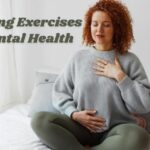
Position one hand over your chest area and rest the other hand gently on your belly. Breathe so only your stomach hand rises. This ensures you’re engaging your diaphragm properly for maximum anxiety relief.
Common Challenges and How to Overcome Them
Starting any new practice comes with obstacles. Here are frequent difficulties beginners face.
Feeling Lightheaded
Some people breathe too deeply at first. Start with gentle breaths and gradually increase depth as you become comfortable with breathing patterns.
Difficulty Focusing
A wandering mind is normal. Simply notice when thoughts drift and gently return attention to your breath without judgment. This builds mindfulness skills over time.
Inconsistent Practice
Creating a routine helps. Link your relaxation breathing for anxiety practice to existing habits like morning coffee or evening wind-down time.
Real Life Examples of Success
Many individuals have transformed their lives through consistent breathing practice. Students use these techniques before exams to manage test anxiety. Public speakers calm nerves before presentations. Parents practice during challenging parenting moments.
Even athletes incorporate breathwork routines into their training for better performance and recovery. The versatility of these methods makes them suitable for virtually anyone seeking natural anxiety management solutions.
Conclusion
Learning relaxation breathing for anxiety is a life-changing skill that empowers you to take control of your emotional wellbeing. Throughout this guide, we explored various deep breathing techniques like the 4-7-8 method, box breathing, and belly breathing that beginners can easily master.
The beauty of these stress management practices lies in their simplicity and accessibility. You don’t need expensive equipment or professional guidance to start experiencing relief today.
By making relaxation breathing for anxiety part of your daily routine, you’re investing in long-term mental health benefits. Start with just five minutes daily, stay consistent, and watch your relationship with stress transform completely.