Social burnout symptoms can quietly drain your energy, affect your motivation, and impact your overall mental health without you noticing. Recognizing these signs early is essential for maintaining emotional well-being and ensuring your social interactions remain positive and fulfilling.
In this article, we will explore the key indicators that suggest you might be experiencing social burnout, helping you identify patterns before they worsen. You’ll also find practical strategies to manage stress, set healthy boundaries, and restore your energy. By understanding these symptoms, you can take proactive steps to safeguard your mental health, improve social balance, and foster productive and enjoyable relationships. Awareness is the first step to regaining control and enhancing your daily life.
Understanding the Nature of Social Burnout
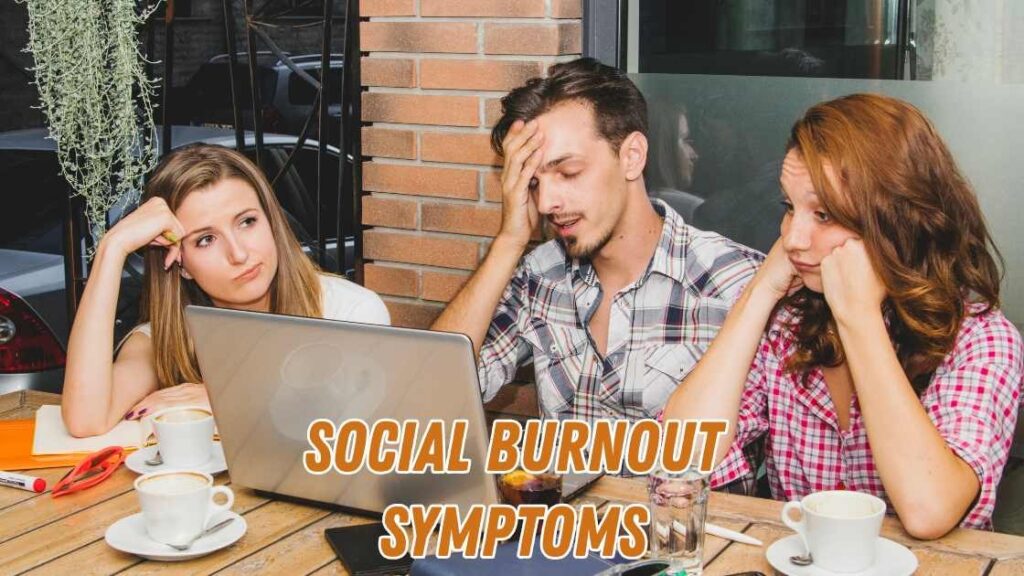
Social burnout symptoms can develop slowly, especially when constant interaction and emotional demands drain your mental energy. Many people don’t recognize the early signs because they resemble everyday stress. Learning how Social burnout symptoms form allows you to understand the shift in your emotional capacity before it becomes overwhelming.
How Emotional Strain Builds Up
Continuous exposure to chronic stress, digital overload, and relationship fatigue creates emotional pressure. These experiences make it harder for the mind to recover, which eventually contributes to Social burnout symptoms that feel persistent rather than temporary.
Role of Modern Lifestyles
Fast communication, excessive screen time, and constant availability increase mental overload. As these habits intensify, the emotional system struggles to keep pace, making burnout more likely.
Background and Development of Social Burnout
Although the concept of burnout originally came from workplace studies, researchers now recognize that personal relationships and social environments also contribute to exhaustion. This shift explains why Social burnout symptoms have become more common in recent years.
Changing Social Expectations
People today feel pressured to stay active, responsive, and engaged. This creates information fatigue and weakens emotional boundaries. Over time, these expectations transform into patterns that reinforce Social burnout symptoms.
When Connection Becomes Overload
Increased access to others can be helpful, but it can also cause emotional depletion. Constant communication without enough recovery time gradually makes social interaction feel heavier than usual.
Why These Symptoms Matter
Paying attention to it is important because they reveal deeper emotional needs that often go unnoticed. When these signs are ignored, people may struggle with emotional imbalance, communication difficulties, and reduced motivation.
Impact on Emotional Stability
These symptoms are closely linked to inner stress, mental fatigue, and emotional instability. Acknowledging them early allows individuals to protect their psychological well-being.
Recognizing Patterns in Daily Behavior
People experiencing burnout often feel irritated, drained, or disconnected. These changes reflect internal pressure rather than personality flaws.
Key Indicators of Burnout in Social Life
Reduced Interest in Socializing
One of the most common reflections of Social burnout symptoms is a declining desire to engage with others. Social interactions that once felt enjoyable may start to feel burdensome.
Why Energy Drops Unexpectedly
This loss of interest is usually tied to emotional fatigue, low energy, and overstimulation. These factors disrupt your natural desire for connection.
Avoidance of Conversations and Events
People may begin avoiding calls, messages, or gatherings because they no longer feel emotionally equipped to participate.
Difference Between Rest and Withdrawal
Healthy rest restores energy, but withdrawal influenced by burnout usually leaves individuals feeling disconnected and frustrated.
Emotional Sensitivity and Irritability
When Reactions Become Stronger
An increase in irritability is often linked to Social burnout symptoms. Small issues may feel heavier than usual, and emotional reactions can become more intense.
Why Sensitivity Rises
This pattern happens because emotional reserves are low. Combined with stress overload, mental strain, and inner fatigue, even simple interactions may trigger discomfort.
Impact on Daily Communication
People may respond sharply, feel overwhelmed quickly, or become frustrated during regular conversations.
Internal Factors That Influence Reactions
These emotional shifts arise from cognitive overload, inner tension, and emotional imbalance, all of which reflect deeper exhaustion rather than intentional behavior.
Physical Signs Linked to Social Exhaustion
Changes in Energy and Productivity
Another indicator of Social burnout symptoms is unusual tiredness. Even light tasks may require more effort than expected.
How the Body Reacts to Emotional Stress
Long-term mental exhaustion affects the body by reducing energy levels. This connection explains why burnout impacts focus and motivation.
Sleep Disturbances
Some individuals experience difficulty sleeping or waking up refreshed.
What Disrupts Rest
Factors such as overthinking, emotional pressure, and constant stimulation interfere with natural rest cycles. This reinforces the cycle that strengthens Social burnout symptoms.

Behavioral Patterns That Reveal Emotional Overload
Inconsistent Social Behavior
People may alternate between wanting connection and needing isolation. This inconsistency is tied to emotional confusion.
Signs of Internal Conflict
Patterns like mood imbalance, inner conflict, and reduced patience show that the emotional system is overwhelmed.
Difficulty Expressing Feelings
Burnout can make it hard to communicate clearly or express needs.
Why Communication Becomes Hard
Symptoms such as mental fog, low motivation, and emotional overload make conversation feel exhausting rather than fulfilling.
What These Symptoms Reveal About Emotional Health
Hidden Messages Behind Burnout
At a deeper level, it reveal unmet emotional needs. They show that someone has given more energy than they can sustain.
Core Lessons These Signs Provide
These signs often indicate the need for:
1.Stronger personal boundaries
2.More intentional self-awareness
3.Relief from continuous social pressure
Path Toward Emotional Renewal
When understood correctly, Social burnout symptoms become a signal for emotional realignment.
Rebuilding Internal Strength
Focusing on mental wellness, inner balance, and restorative habits helps rebuild emotional stability and prevent burnout from recurring.
Conclusion:
Recognizing Social burnout symptoms early is crucial for maintaining emotional balance and overall well-being. These signs, including emotional fatigue, mental exhaustion, and inner stress, signal the need to set stronger personal boundaries and prioritize self-care. By understanding the impact of relationship fatigue and chronic stress, individuals can prevent deeper emotional strain and restore mental wellness. Paying attention to these indicators allows for healthier social engagement, improved emotional stability, and better inner balance, making it easier to maintain a fulfilling and connected life.