
Work from home using computer has become one of the most popular ways to earn a living in today’s digital age. Whether you’re a freelancer, employee, or entrepreneur, the flexibility of remote work offers incredible opportunities for better work-life balance and financial independence.
In this comprehensive guide, we’ll explore everything you need to know about building a successful home office setup and staying productive while working remotely. From choosing the right equipment to managing your time effectively, you’ll discover practical tips that actually work.
If you’ve been searching for ways to start online jobs from home or simply want to improve your current routine, this article has you covered. We’ll walk you through proven strategies, essential tools, and expert advice to help you thrive in your remote working journey every single day.
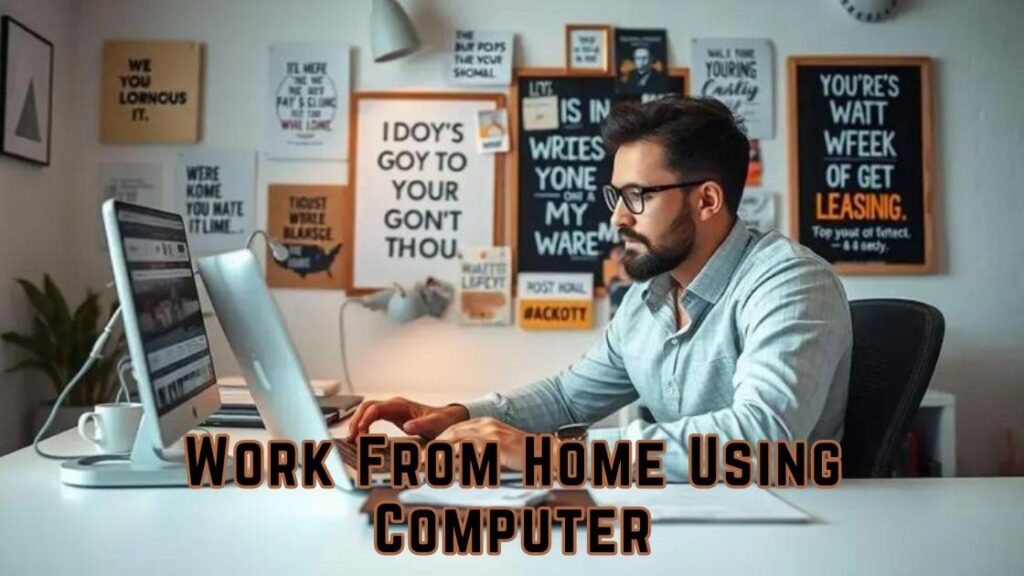
What Does It Mean to Work From Home Using Computer?
Work from home using computer simply means performing your job duties from a remote location, typically your home, with the help of a laptop or desktop. This modern approach to employment has transformed how millions of people earn their income worldwide.
The concept of telecommuting isn’t entirely new. It began gaining traction in the 1970s when technology started enabling remote communication. However, the real explosion happened after 2020, when global circumstances forced companies to adopt remote work policies almost overnight.
Today, work from home using computer represents a permanent shift in workplace culture. Companies have realized that employees can be just as productive, if not more, when given the freedom to work from their own space.
Why Working From Home Has Become So Popular
Flexibility and Freedom
One of the biggest reasons people choose to work from home using computer is the unmatched flexibility it offers. You can set your own schedule, avoid long commutes, and create an environment that suits your personal preferences.
This freedom allows workers to manage their personal responsibilities while maintaining career growth. Parents can be present for their children, and individuals can pursue hobbies or side projects without sacrificing income.
Cost Savings for Everyone
Both employers and employees benefit financially from remote employment. Workers save money on transportation, meals, and professional clothing. Companies reduce overhead costs related to office space, utilities, and supplies.
These savings add up significantly over time, making the digital workspace an attractive option for businesses of all sizes.
Essential Requirements to Work From Home Using Computer
Reliable Technology and Equipment
To successfully work from home using computer, you need the right tools. Your setup should include a dependable computer, high speed internet connection, and necessary software for your job.
Here are the basic requirements:
- A laptop or desktop with sufficient processing power
- Stable internet connection with good upload and download speeds
- Webcam and microphone for virtual meetings
- Ergonomic chair and desk for comfort
- Backup power source or surge protector
Dedicated Home Office Setup
Creating a proper home office setup is crucial for productivity. Choose a quiet area in your home where you can focus without distractions. Good lighting and comfortable furniture will help you stay energized throughout the day.
Your workspace should be separate from relaxation areas whenever possible. This mental boundary helps you switch between work mode and personal time more effectively.
Benefits of Choosing to Work From Home Using Computer
The advantages of remote jobs extend beyond convenience. Here are the top benefits:
- Improved work life balance that reduces stress and burnout
- Higher productivity levels due to fewer office distractions
- Access to global job opportunities regardless of your location
- Better health outcomes from reduced commuting and flexible schedules
- Environmental benefits from lower carbon emissions
Many professionals report feeling happier and more satisfied with their careers after transitioning to online employment. The ability to design your own day creates a sense of ownership and motivation.

Common Challenges and How to Overcome Them
Staying Focused and Productive
When you work from home using computer, distractions can become your biggest enemy. Social media, household chores, and family members may interrupt your workflow.
To combat this, establish clear boundaries and communicate your working hours to others. Use productivity apps and time management techniques like the Pomodoro method to stay on track.
Avoiding Isolation and Loneliness
Remote workers sometimes struggle with feelings of isolation. Without daily interactions with colleagues, the experience can feel lonely.
Combat this by scheduling regular video calls with your team. Join online communities related to your field and consider working from coffee shops or coworking spaces occasionally.
Real World Examples of Successful Remote Careers
Thousands of professionals successfully work from home using computer in various fields. Freelance writers, graphic designers, software developers, and virtual assistants thrive in remote environments.
Customer service representatives, data analysts, and digital marketers also enjoy fulfilling careers without ever stepping into a traditional office. The opportunities continue expanding as more companies embrace flexible work arrangements.
Conclusion
Choosing to work from home using computer opens doors to incredible opportunities for flexibility, savings, and personal growth. Throughout this guide, we explored the essential requirements, benefits, and challenges of remote work to help you succeed.
With the right home office setup, reliable technology, and strong time management skills, anyone can thrive in a digital workspace. The key is staying disciplined while embracing the freedom this lifestyle offers.
If you’re ready to start your online career journey, now is the perfect time. Take the first step today and experience how work from home using computer can transform your professional life.