Finding the best deep breathing exercises can be a game-changer for your mental and physical health. In today’s fast-paced world, millions of people struggle with rising stress levels, constant worry, and elevated blood pressure. The good news? Simple breathing techniques for anxiety offer a powerful, natural solution that you can practice anywhere, anytime.
This article explores proven methods that help calm your nervous system and promote relaxation. Whether you’re dealing with daily stress or looking for natural ways to lower blood pressure, these exercises provide real relief without medication. We’ll guide you through step-by-step techniques, explain the science behind why they work, and help you build a sustainable practice.
By the end, you’ll have practical stress relief exercises to incorporate into your daily routine for lasting wellness benefits.
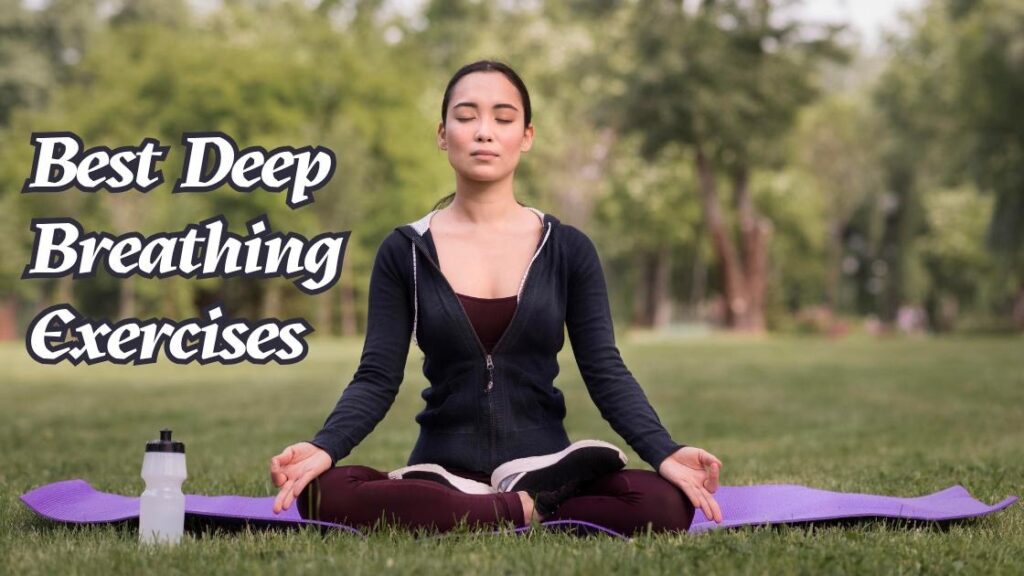
Understanding Best Deep Breathing Exercises and Its Importance
Deep breathing involves taking slow, intentional breaths that fully engage your diaphragm. Unlike shallow chest breathing, this technique activates your body’s relaxation response and helps regulate your nervous system.
This practice originates from ancient disciplines such as yoga and meditation. For thousands of years, cultures worldwide have recognized the connection between breath and overall wellness. Modern research now validates the wisdom our ancestors understood long ago. Controlled breathing directly impacts heart rate, cortisol levels, and mental clarity.
Understanding the best deep breathing exercises gives you a practical tool for managing everyday challenges. Your breath is always with you, making it the most accessible form of natural stress relief available.
How Deep Breathing Affects Anxiety and Blood Pressure
The Science Behind Breath and the Nervous System
When you practice deep breathing techniques, you stimulate the vagus nerve. This crucial nerve connects your brain to your heart, lungs, and digestive system. Activating it triggers the parasympathetic nervous system, often called the rest and digest mode.
This shift reduces cortisol production and slows your heart rate. Studies show that regular practice can lower systolic blood pressure by several points over time. For people dealing with chronic stress and anxiety, this physiological change brings measurable relief.
Mental Health Benefits You Can Expect
Practicing the best deep breathing exercises consistently offers numerous mental health advantages.
- Reduced symptoms of generalized anxiety disorder
- Improved focus and concentration throughout the day
- Better emotional regulation during stressful situations
- Enhanced sleep quality and faster sleep onset
- Decreased frequency of panic attacks
These benefits compound over time. The more you practice, the easier it becomes to access calm states when you need them most.
Top Breathing Techniques for Lowering Anxiety and Blood Pressure
Diaphragmatic Breathing
Also known as belly breathing, this foundational technique is perfect for beginners. Place one hand on your chest and another on your abdomen. Breathe in slowly through your nose, allowing your belly to rise while keeping your chest relatively still. Exhale gently through your mouth.
Practice for five to ten minutes daily. This method is among the best deep breathing exercises for immediate anxiety relief and long term cardiovascular health.
Box Breathing Technique
Navy SEALs use this powerful method to stay calm under pressure. The pattern is simple. Inhale for four counts, hold for four counts, exhale for four counts, then hold again for four counts. Repeat this cycle four to six times.
Box breathing excels at bringing rapid mental clarity. It works exceptionally well before important meetings, exams, or any high pressure situation.
4 7 8 Breathing Method
Developed by Dr. Andrew Weil, this technique promotes deep relaxation. Breathe in for four seconds, pause for four seconds, breathe out for four seconds, and pause once more for four seconds. Hold your breath for seven seconds. Release your breath fully through your mouth over eight seconds.
This exercise is particularly effective for managing high blood pressure and preparing your body for restful sleep. Many practitioners report falling asleep faster when using this method at bedtime.
Alternate Nostril Breathing
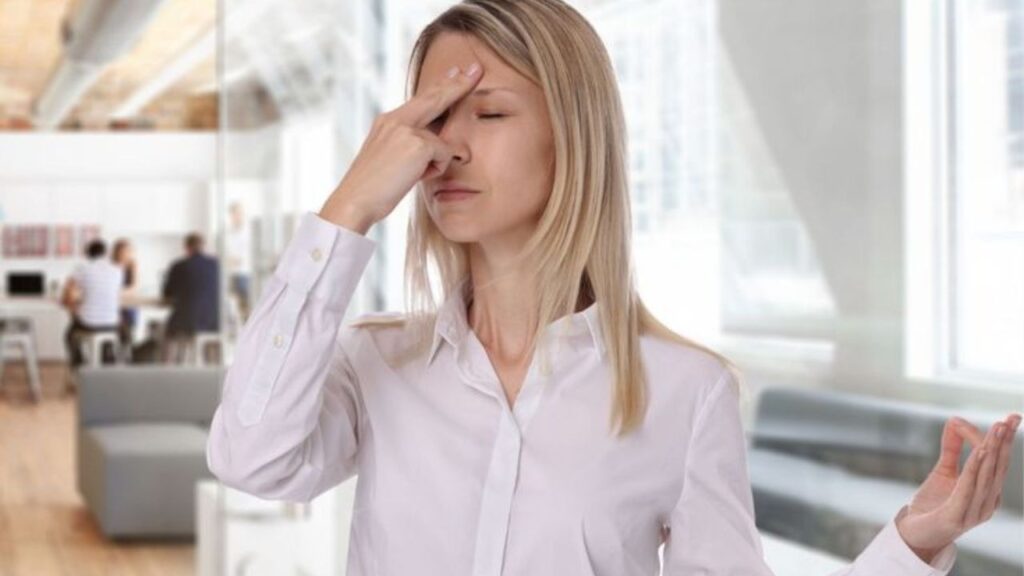
This ancient yogic technique harmonizes both sides of the brain. Use your thumb to block the right nostril and breathe in through the left. Then close the left nostril and exhale through the right. Continue alternating for several minutes.
Regular practice enhances mental balance and reduces feelings of overwhelm. It ranks among the best deep breathing exercises for holistic wellness.
Common Challenges and How to Overcome Them
Many beginners struggle with consistency. Start with just two minutes daily and gradually increase duration. Setting a specific time each day helps build the habit.
Some people feel dizzy initially. This usually happens from breathing too quickly or deeply. Slow down and keep your breaths gentle. Your body will adapt with practice.
Distractions can also derail your practice. Choose a peaceful spot and think about setting a timer. Even practicing calming breathing exercises in your car before entering work can make a significant difference.
Making Deep Breathing Part of Your Daily Routine
The best deep breathing exercises only work when practiced regularly. Consider linking your practice to existing habits. Try breathing exercises after your morning coffee or before lunch.
Using mindfulness apps can provide guided sessions and reminders. Many people find accountability helpful when establishing new healthy breathing habits for lasting blood pressure management and emotional wellness.
Conclusion
Mastering the best deep breathing exercises empowers you to take control of your mental and physical health naturally. From diaphragmatic breathing to the 4 7 8 method, each technique offers unique benefits for reducing anxiety and supporting healthy blood pressure levels.
The key lies in consistent practice. Even a few minutes daily can create lasting changes in how your body responds to stress. These relaxation techniques require no equipment, cost nothing, and work anywhere.
Start today with one simple method. Your journey toward better emotional wellness and improved cardiovascular health begins with a single breath. Make breathing exercises a non negotiable part of your self care routine.