
Transform your fitness journey with a beginner rowing workout that delivers maximum results without overwhelming your body or schedule. This powerful yet gentle exercise engages 86% of your muscles while keeping impact on joints minimal, making it perfect for anyone starting their fitness transformation. Unlike traditional cardio that can feel monotonous, rowing combines strength training and cardiovascular conditioning into one efficient movement pattern.
Whether you’re completely new to exercise or returning after a break, this guide breaks down everything you need to succeed. You’ll discover proper rowing technique, structured workout plans tailored for beginners, and proven strategies to build both muscular endurance and cardiovascular health. From equipment selection to progression milestones, we’ll equip you with the knowledge to create a sustainable home workout routine that grows with your abilities and keeps you motivated for the long haul.
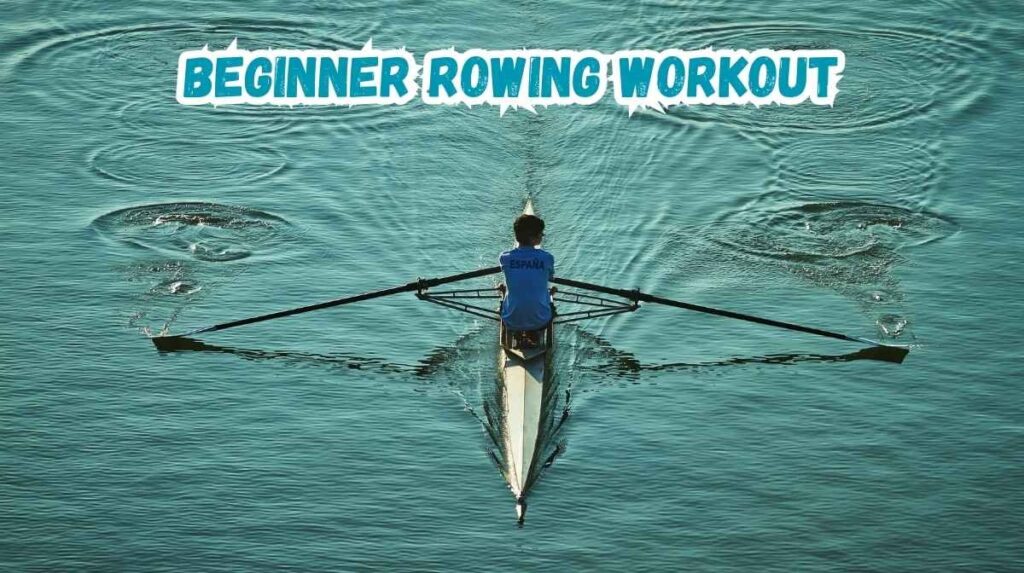
What Is a Rowing Workout and Why Start as a Beginner?
A beginner rowing workout involves using controlled, rhythmic movements on a rowing machine or water to create a full-body exercise experience. This low-impact cardio activity mimics the motion of rowing a boat, combining pushing with your legs, engaging your core, and pulling with your arms in one fluid sequence. For newcomers to fitness or those returning after a break, rowing provides an ideal starting point because it’s scalable to any fitness level.
The beauty of starting a beginner rowing workout lies in its efficiency. Unlike exercises that isolate specific muscle groups, rowing activates your legs, core, back, shoulders, and arms simultaneously. This compound movement burns more calories in less time while building functional strength that translates to everyday activities.
Understanding the Basics of Proper Rowing Form
The Four Phases of the Rowing Stroke
Mastering proper rowing technique begins with understanding the stroke’s four distinct phases:
- The Catch: Start with knees bent, shins vertical, arms extended forward
- The Drive: Push through your legs first, then lean back slightly, finally pull arms to chest
- The Finish: Legs extended, slight backward lean, handle at lower ribs
- The Recovery: Reverse the sequence arms, body, then legs to return to catch position
Common Form Mistakes to Avoid
beginner rowing workout New rowers often rush their stroke rate or rely too heavily on their arms. Remember that 60% of your power comes from your legs, 30% from your core, and only 10% from your arms. Focus on maintaining a straight back throughout the movement and avoid hunching your shoulders.
Essential Equipment and Setup for Your First Session
Choosing the Right Rowing Machine
Indoor rowing machines come in four main types: air, magnetic, water, and hydraulic resistance. For beginners, air rowers like the Concept2 offer consistent resistance and accurate performance tracking. Water rowers provide a more authentic feel but tend to be pricier.
Setting up your machine properly is crucial for an effective beginner rowing workout. Adjust the foot straps so they sit across the widest part of your foot. The damper setting (resistance level) should start between 3 to 5 for beginners don’t mistake higher settings for better workouts.
Building Your First Beginner Rowing Workout Plan
1.Foundation Phase
Start with these simple rowing intervals to build base endurance:
- Row for 5 minutes at conversational pace
- Rest for 2 minutes
- Repeat 3 times
- Focus on maintaining 18-22 strokes per minute
2.Progression Phase
Increase your workout duration and introduce variety:
- Warm up: 3 minutes easy rowing
- Main set: 4 x 5 minutes at moderate intensity
- Rest: 90 seconds between sets
- Cool down: 3 minutes easy rowing
3.Incorporating Strength Elements
Add these bodyweight exercises between rowing intervals:
- 10 squats
- 10 push-ups
- 15-second plank hold
- 10 lunges per leg
Tracking Progress and Setting Realistic Goals
beginner rowing workout Monitor your split time (time per 500 meters) as your primary progress indicator. Beginners typically start around 2:30 to 3:00 per 500m. Track these metrics weekly:
- Total distance covered
- Average stroke rate
- Average split time
- Perceived exertion level
Set SMART fitness goals like completing 2,000 meters without stopping or improving your 500m split by 10 seconds within a month. These achievable milestones keep you motivated without risking burnout.
Maximizing Results Through Recovery and Nutrition
Post-Workout Recovery Strategies
True muscle growth occurs during recovery time, not in the midst of training Implement these recovery techniques:
- Stretch hip flexors, hamstrings, and shoulders for 5-10 minutes post-workout
- Hydrate with water before, during, and after sessions
- Allow at least one rest day between intense rowing sessions
- Consider foam rolling to release muscle tension
Nutritional Support for Rowing Performance
Fuel your beginner rowing workout with balanced nutrition. Eat a light snack with carbohydrates and protein 30-60 minutes before rowing. Post-workout, consume protein within 30 minutes to support muscle recovery. Stay consistently hydrated, aiming for half your body weight in ounces of water daily.
Creating Long-Term Success with Your Rowing Routine
Consistency trumps intensity for beginners. Start with three 20-minute sessions weekly rather than attempting hour-long workouts. As your cardiovascular fitness improves, gradually increase either duration or intensity, but never both simultaneously. Join online rowing communities or use fitness apps like ErgData to stay accountable and motivated throughout your journey.
Conclusion
Starting a beginner rowing workout opens the door to comprehensive fitness improvements that benefit your entire body. By mastering proper form, following structured progressions, and maintaining consistency, you’ll build impressive strength and endurance without risking injury or burnout. Remember that every expert rower started exactly where you are now. Whether your goal is weight loss, improved cardiovascular health, or overall fitness, a well-planned beginner rowing workout provides the perfect foundation. Take that first stroke today, trust the process, and watch as this low-impact exercise transforms not just your physical capabilities, but your confidence and energy levels for years to come.